Archive for category: Uncategorized

Cooking in Italy

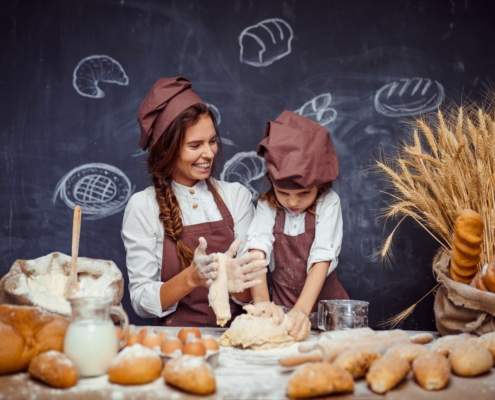
I love to bring back special mementos from my travels. Not the plastic mass-produced kind! One of the most interesting memories you can bring back from a trip abroad is a new skill. When visiting Italy, try a cooking class with a local chef. We recently cooked with a chef near Verona, Italy, at the best place possible – a winery! Between the cooking with Luisa and the wine tour (and ample tasting) with Sylvia, I think this was one of the most memorable events of our most recent journey. And we brought back some new skills we can try in the kitchen to share with our friends and family. Way better than a pen that says “Verona”.

Proper Tiramisu

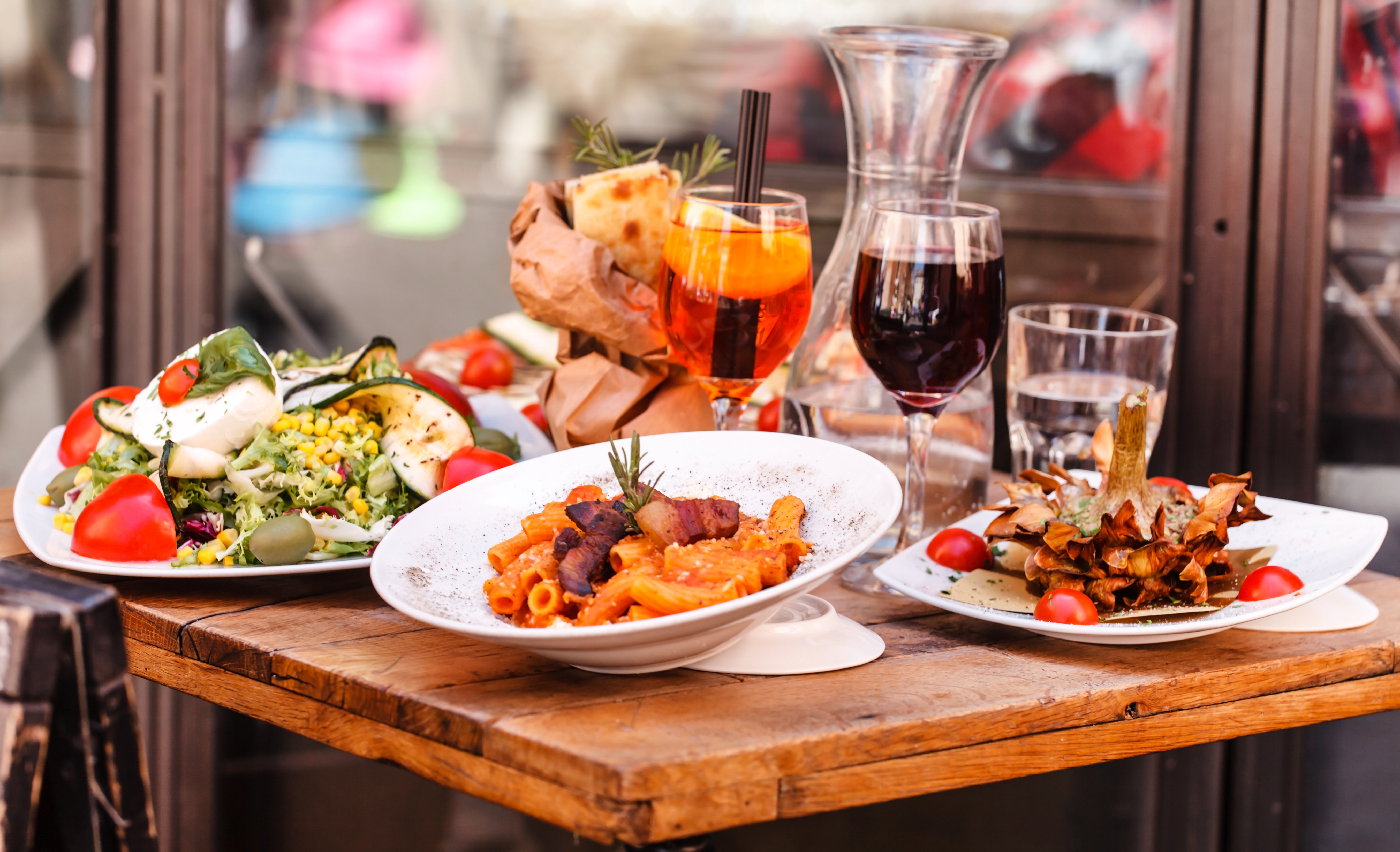
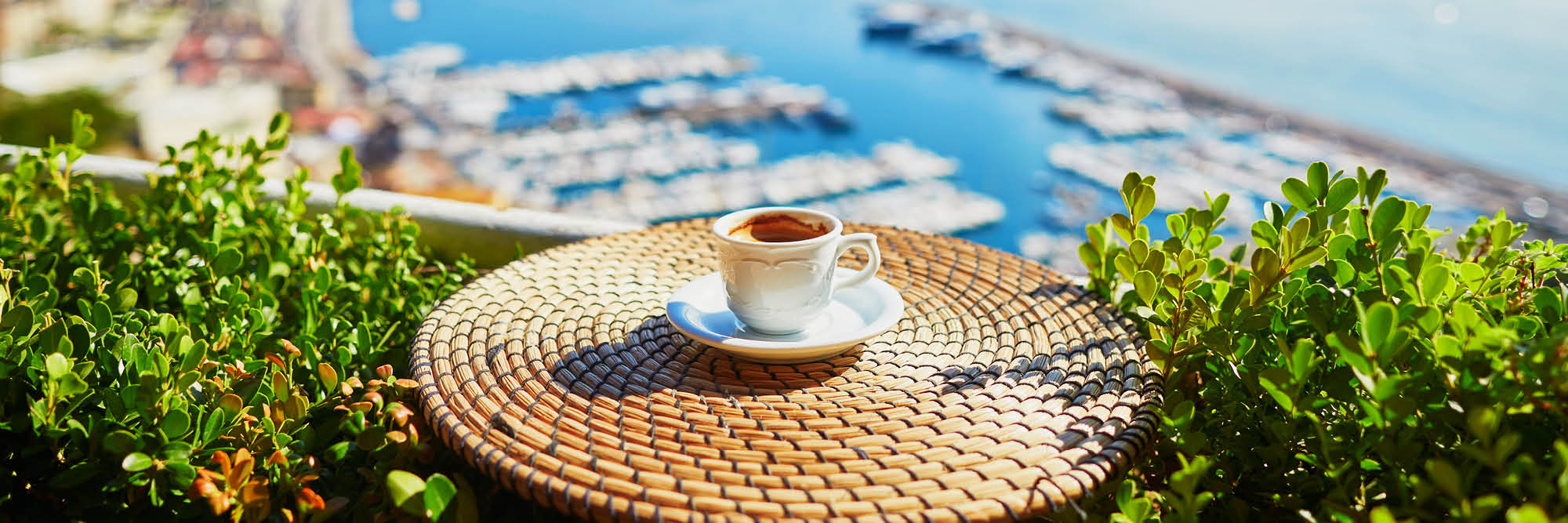
There’s the “Tiramisu” you get at the Olive Garden… and then there’s actual Tiramisu in Italy. Properly served, with fresh espresso that you add just before eating! Enjoy this on our Eat and Drink Like a Northern Italian Tour!

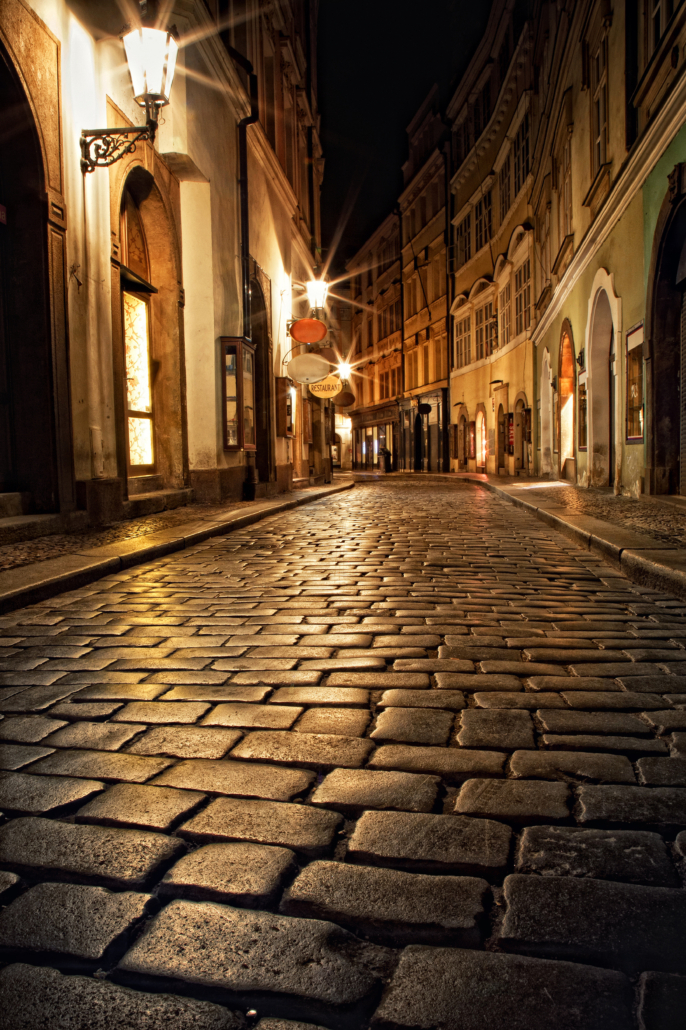
Prague – An Essential Stop on the Ultimate Beer Tour!

Beautiful Prague is the city of a thousand spires, and hundreds of great beers!


Surfing in England?

St. Ives is a beautiful little corner of England (or Cornwall, to be exact).  A visit here is time well spent – with plenty of outdoor activities (golf, surfing, beach time) and fantastic food and drink!  We spend 2 nights here on our England tour – staying in a castle!


The War That Will End War

Shortly after the outbreak of the First World War in 1914, British author H.G. Wells wrote a series of essays that were published as “The War That Will End War.” The ferocity of the battles that ensued, and the pure destructive power of the new battlefield technologies cemented this idea in the public conscience – after WWI, the powers that be would no longer have any appetite for warfare. So much for that notion – it was a mere 20 years later that Germany invaded Poland, starting the Second World War.

The First World War has no surviving veterans – I was in Paris when the last French WWI vet Lazare Ponticelli died in March 2008. Flags were at half mast all over the city – of all the countries in Europe, France was more devastated than any other by the First World War – the scars run deep. I remember as a child in the 1970’s that there were several WWI veterans on my paper route in North Vancouver – several that I knew of anyway. They were the ones missing a leg, or both legs, or an arm. Some of them would visit our elementary school for our Remembrance Day assemblies, and we would see them at the cenotaph on November 11. I knew I was to respect them, and that I was to be thankful for their service. In my child’s mind, in my comfortable home, in my peaceful country, I couldn’t really fathom what their service entailed.

Canadia Troops World War 1

Canadian troops go “over the top” at Vimy Ridge

As a teacher and a tour guide, I have visited World War I sites throughout Europe, mostly in France and Belgium. Though I certainly have no claim to understanding the experiences of the soldiers in that war, these pilgrimages have helped me to better recognize and respect them. The battlefields, museums, and monuments at Verdun in Eastern France, Vimy Ridge in Northern France, and Ypres in Belgium are solemn places where we can reflect on the sacrifices of past generations. They do not glorify war, nor do they celebrate the victory of one side over another – instead they bring us into the experiences of ordinary people thrown into extraordinary circumstances – they put human faces on the statistics, and they implore us not to make the same mistakes again.

German Soldiers in Gas Masks

German soldiers and their mule all sporting gas masks as they prepare to go into battle at Verdun.

Of all these sites, the In Flanders Fields museum in Ypres personalizes the First World War in a profound way, bringing the events of 100 years ago to the present generation. When you enter the museum, you are given a small wristband which you use to sign in – it gives you the identity of a real person from the war era – soldier, nurse, farmer, etc. – and you take that identity with you through the interactive displays, finding out how that person’s life was affected by the war as it raged from 1914 to 1918. Through a combination of relics from the war and modern technology, the In Flanders Fields museum has succeeded in insuring this century old event will not be forgotten, at least not by those who visit. The most profound aspect of a visit here is the way that the personal stories are shared.

Ypres Cloth Hall

The medieval Ypres Cloth Hall – destroyed by relentless shelling in the First World War.


Flanders Fields Museum

The Ypres Cloth Hall today – containing the excellent In Flanders Fields Museum.


Lazare Ponticelli, through his long life, often obliged when people asked him to share his personal story. As a boy of 16, Ponticelli signed up to fight the enemy of his newly adopted country (he was originally from Italy). He recalled that during extended periods of artillery fire, the young men waiting in the trenches would say to each other, “If I die, you’ll remember me, won’t you?”, as though their chief concern wasn’t their own impending doom, but the idea that they would be obliterated from history – forgotten. He seemed to understand that the men in the other trenches felt the same way. He recalled tripping over an injured German soldier in the dark, who then fully expected to be killed, but in a move of desperation, held up two fingers to Ponticelli, which he took to understand he had two children. Ponticelli did not pull the trigger, but took him prisoner instead. As a centenarian, he showed no interest in labelling anyone his enemy. He said he did not understand why on earth he, or they, had been fighting. “You shoot at men who are fathers. War is completely stupid.” Was H.G. Wells displaying some grand naiveté when he wrote “The War That Will End War”? Perhaps. Or maybe his thoughts were a call to future generations – a hope that eventually, we will learn something profound from the experiences of men like Lazare Ponticelli.

Lazare Ponticelli

Lazare Ponticelli at age 106 – 90 years after he enlisted in the French Foreign Legion at the start of the First World War.

The Cotswolds – an essential part of any proper trip to England!

Why is the Cotswolds such a special place?  The beauty of the landscape, combined with the rustic stone villages that dot it, unveil a history of unique, industrious people, and their fascinating stories!   This was the wealthy wool-production capital of England in medieval times… resulting in villages with large, ornate churches, manor houses, and castles – much more grand than the size of the villages would suggest!  The Cotswolds with a pint (or two…) I can’t think of a better couple of days! A tour of the historic Hook Norton Brewery, with ample tastings… a designated driver to take you to the highlights in the rustic villages of the English countryside… and a gourmet dinner featuring fresh, local ingredients (the highly-rated baked trout is caught a few feet from our restaurant!).  Join us on the Ales, Ciders, and Historic Pubs Tour of England to experience the Cotswolds… in depth… and in style!


London’s Heritage Pubs – The Old Red Lion

The Old Red Lion Pub in the City of London has been around since the 1500’s.  In 1660 it was a resting point for Oliver Cromwell as he travelled from Westminster to Tyburn.  Thing is, Cromwell died in 1658.  When Cromwell was very much alive, he was head of the rebel forces that had King Charles I of England beheaded at Whitehall.  Cromwell went on to become Lord Protector (basically king) of England.  After he died, Charles I’s son, Charles II, was restored to the monarchy, and he had Cromwell’s body exhumed, put on trial for treason, and “executed”.  As the body was being moved from it’s non-final resting place to the gallows, it was stored overnight in the Old Red Lion’s yard.  So they named the upstairs room the Cromwell Bar.  The pub is a listed heritage building that underwent major renovations… in 1899.  It hasn’t changed since then.  Join us here for a pint on the Ales, Ciders, and Heritage Pubs Tour of England – the best possible way to see England from London to St. Ives and back!


Heritage Pubs of London – The Ship and Shovell

London has a thriving pub culture, but our tour will take you to the most historic, interesting, memorable pubs in the city. Here I visit the Ship & Shovell, located in a tiny alley you could easily miss, right around the corner from the house Ben Franklin lived in before heading back to the colonies and joining the American Revolution. As you know, Ben Franklin loved a good pint or two! There’s so much history here, and so many fine ales and ciders…
Our Ales, Ciders, and Historic Pubs of England Tour 2018 is ready for your registrations now! We will travel from London to St. Ives and back, and visit authentic England like a temporary local! Sign up today – don’t miss out!


Delicious Milano!

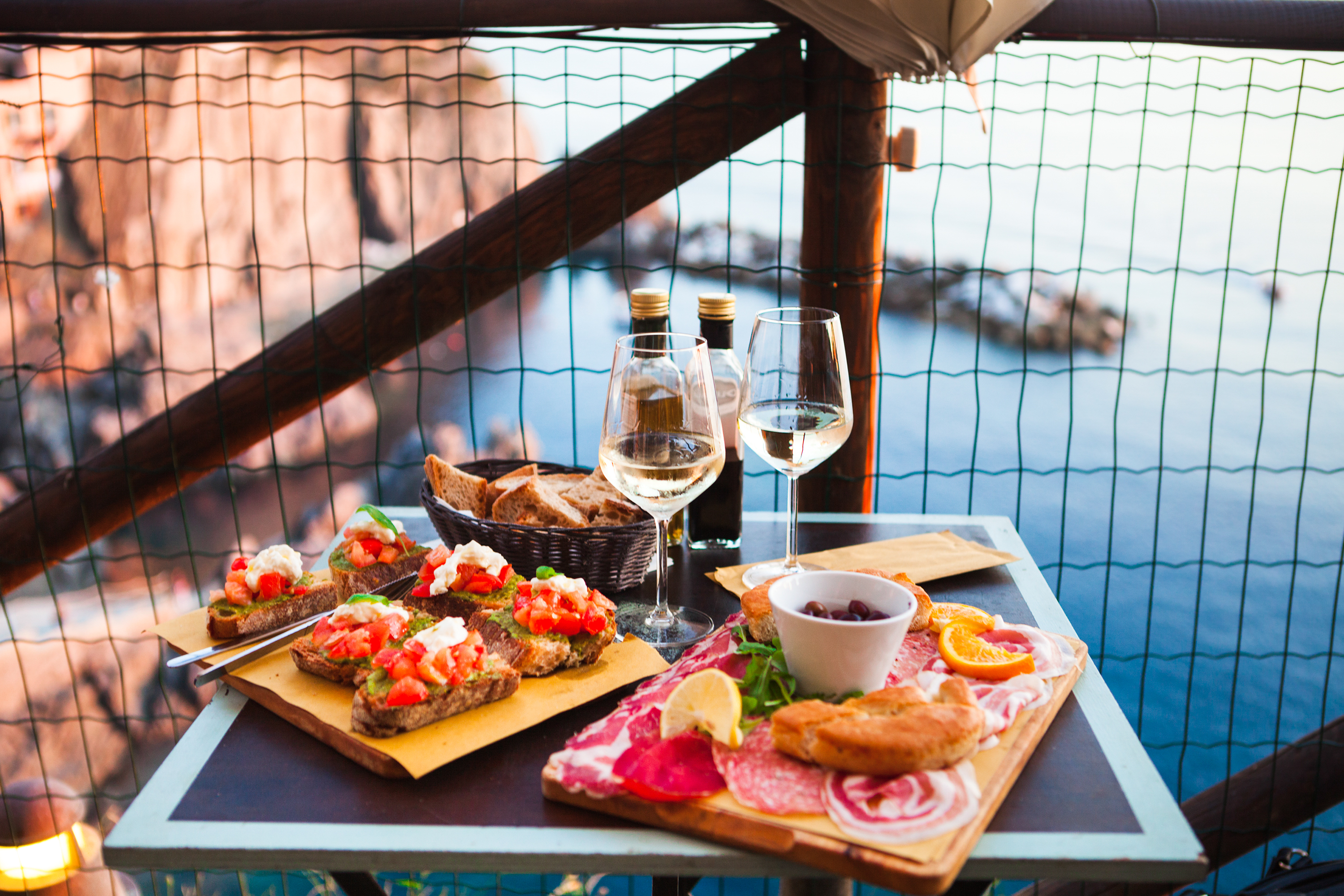
The typical Milanese cuisine might not be as famous as the Roman or Tuscan, but it’s definitely worth trying: in fact, it includes some of the most delicious food in Italy!

Just like that of the whole region of Lombardy, the Milanese cuisine is made of ancient recipes based on simple ingredients. But as we said, most of its recipes are not that famous outside of this Northern Italian city, so… What to eat in Milan?

When you join us on our Eat and Drink Like a Northern Italian tour, you can be sure that you will taste the best that Milan has to offer!

Aperitivo

An aperitivo before dinner.

Cotoletta alla Milanese

It is a famous meat recipe, very simple and quick to prepare, known all over the world with many variations, but the authentic tasty and crispy veal cutlet is only one, and can be enjoyed only in the city of Milan.

This dish consists of a delicious slice of sirloin breaded veal with egg and breadcrumbs and then fried in butter: a real treat for the palate. The union of the breading fragrance and the meat softness make this dish a must if you are in Milan.

cotoletta alla milanese

Perfectly breaded, crisp and moist cotoletta alla milanese


Risotto alla Milanese

A first course, part of the Italian culinary traditions, that fascinates primarily for its color of gold, for its delicious scent and obviously for its unique taste. One must be careful, however, not to confuse it with the “saffron risotto”: the differences between the two are few but important.

The main ingredient is definitely saffron, but the real traditional Milanese recipe includes the use of beef marrow, fundamental to enrich the taste of the dish, and a dash of white wine. Famous and appreciated all over the world the risotto alla Milanese has a long history of flavors and continues today to be beloved by both the Milanese and tourists.

risotto_alla_milanese_milan_food

The fragrant Risotto alla Milanese


Ossobuco

The ossobuco (literally, the “marrowbone”) can be served as a main dish, but very often it is served accompanied by the risotto alla Milanese (and it is wise and recommended choice). It is a beef steak – with a hole containing the bone in the middle, and it can be cooked in different ways. The softness of this type of meat makes this dish unique and delicate.

In addition to the accompaniment with the risotto, the ossobuco is also excellent along with chopped garlic, parsley and anchovies, or with fried tomatoes and onions.

Ossobuco

Tender, delicious Ossobuco


Cassoeula

The Cassoeula is a winter typical dish of the popular tradition of Lombardy. Its origins are very old, and its recipe has changed a lot over the years, be it has always been beloved.

The main ingredients of cassoeula are cabbage and pork.

The typical Milanese folk dish Cassoeula

The typical Milanese folk dish Cassoeula


Panettone

A historic Milanese dessert, eaten each year throughout Italy especially in the most beautiful time of the year, Christmas. The Milanese Panettone unites the whole table, is the sweet of Christmas and it’s beloved by all, both for its taste and for what it is able to convey emotionally during the Christmas atmosphere.

The origins of panettone are ancient and sometimes fade into legend: it is said that it had been cooked for the first time only with scraps, with what was advanced in the kitchen. Its recipe is simple, it takes a few natural ingredients – flour, baking powder, orange, eggs and the inevitable raisins.  Delicious!

The Christmas treat Panettone

The Christmas treat Panettone

“Hell cannot be so terrible” – Verdun, 1916

“Hell cannot be so terrible”
Verdun. For a past generation, this one simple word evoked all the horror of war. Displacement, destruction, devastation, death. Hyperbole is not even possible when describing the events of the Battle of Verdun.
Verdun is a town that found itself on the eastern frontier of France in 1914 – right on the border with Germany. A natural gateway to Paris, it was heavily fortified as a defensive measure against a German invasion. However, when the Germans did strike in 1916, most of the French troops had been moved to other fronts. A huge convoy of men and munitions began – the French command wanted Verdun kept at all costs.

on_ne_passe_pas_1918

“On ne passe pas!” (They shall not pass) was the oft quoted battle cry, coined by French General Robert Neville.

French military poster with the words “On ne passe pas!” (They shall not pass)
From the 21st of February to the 18th of December, 1916, unrelenting warfare was carried out across the forested hills and farms outside of the evacuated, destroyed town of Verdun. The numbers alone are shocking :
9 months, 3 weeks and 6 days of continuous fighting
Over 377,000 casualties on the French side
Over 337,000 on the German side
Over 70 000 casualties per month – just on this one battlefield
Over 40 million artillery shells fired

The battle for Verdun turned the beautiful French countryside into an alien landscape – the forests were obliterated, the farms were pockmarked with huge shell craters, and the 9 rural villages that surrounded Verdun were erased – nothing was left. Imagine these villages, home to generations of farmers and craftspeople, bakers and priests, going back to medieval times. Gone. Their former happy streets became places of unimaginable horror. The ground, churned up, a muddy, murky mess of clay, shells, and human remains.

French troops in the muck and mire

French troops in the muck and mire

German machine gunners wearing gas masks in case of chemical attack

German machine gunners wearing gas masks in case of chemical attack

This was Verdun. A new type of warfare was being waged here. Each side dug in, building trenches several hundred metres away from the other side. A constant barrage of artillery rained down on the soldiers on either side. Each day the men would leave the trenches to fight in “no mans’ land”, almost certain death. Reinforcements would be brought in, and this cycle would play out over and over again. Territory was gained and lost in metres. By the end of the battle, both sides were essentially in the same place they were at the beginning. This was a war of attrition. German Chief of General Staff, Erich von Falkenhayn, famously stated that he wanted to “bleed France white”. In other words, rather than gain territory as was the traditional goal of a battle, he wanted to eliminate so many of France’s infantry that they would have to surrender. His strategy nearly worked, but as the numbers show, it was just as devastating to the German forces as it was to the French. To call Verdun a victory for either side would be incorrect – Verdun was a victory for death alone.

A wounded French soldier lives to fight another day

A wounded French soldier lives to fight another day

Today the town of Verdun has been rebuilt. But none of the 9 rural villages have been. They were the site of too great a tragedy for people to return and rebuild. The church of the village Fleury was rebuilt after the war, but the people did not return. Visiting Fleury is a haunting reminder of the past – the former streets are marked by small concrete pillars – indicating where this family or that family lived, where the baker practiced his craft, where the blacksmith forged the farmers’ tools. The ground is still cratered, but trees and grass grow once again on this former moonscape.

A cafe and grocery store once stood on this spot.

A cafe and grocery store once stood on this spot.

The cratered landscape sprouts life once again. There are still off-limits areas around the battlefield because of live shells in the ground.

The cratered landscape sprouts life once again. There are still off-limits areas around the battlefield because of live shells in the ground.

Up the road from Fleury is the Verdun Memorial Museum. This is an excellent museum that does not glorify war in any way. Nor does it stand as a monument to any sort of French nationalism. The French flag flies beside the German flag here, with the European Union flag in between. The equipment and uniforms will sate the most dedicated military history buff, while the personal stories and the excellent film shown in the theatre will make those human connections that are so important in a memorial like this.

The Verdun Memorial Museum

The Verdun Memorial Museum

Down the road from Fleury, at the head of a French military cemetery is the huge Douaumont Ossuary – filled with the remains of more than 130 000 unidentified dead. The decision was made at the conclusion of the war to inter all the remains together – identification by nationality was all but impossible for many of the bodies, but more importantly, irrelevant. Each one was a son, possibly a brother, possibly a husband, possibly a father. Each one came to Verdun to do “his duty” for his nation, and in so doing, lost his life.

The Douaumont Ossuary at the head of the French military cemetery. The bottom of the ossuary is filled with the remains of the unidentified bodies on the battlefield. One of the bodies was transported to Paris and lies under the Arc de Triomphe at the Tomb of the Unknown Soldier.

The Douaumont Ossuary at the head of the French military cemetery. The bottom of the ossuary is filled with the remains of the unidentified bodies on the battlefield. One of the bodies was transported to Paris and lies under the Arc de Triomphe at the Tomb of the Unknown Soldier.

One of those men, a French lieutenant,, wrote in his journal, “Humanity is mad. It must be mad to do what it is doing. What a massacre! What scenes of horror and carnage! I cannot find words to translate my impressions. Hell cannot be so terrible.” He was later killed in an artillery attack.
The battlefields of Verdun are tranquil now. Very peaceful. And the survivors of this battle are all gone. Soon, anyone who was alive during WW I will be gone. But the Douaumont Ossuary, the church at Fleury, and the Verdun Memorial museum remain to remind us: never forget, and never repeat.

Verdun, once a site of savage warfare, now a symbol of reconciliation and peace for the nations of France and Germany.

Verdun, once a site of savage warfare, now a symbol of reconciliation and peace for the nations of France and Germany.