Sip & Savor Europe: From Trappist Ales to Tuscan Sangiovese
Sip & Savor Europe: From Trappist Ales to Tuscan Sangiovese
Forget the usual tourist stops and crowded tasting rooms. Imagine wandering through centuries-old Trappist abbeys in Belgium, savoring crisp Czech pilsners, then winding through Tuscany’s sunlit vineyards with a glass of Sangiovese in hand. Our small group culinary tours introduce you to Europe’s rich beer and wine traditions with local guides who bring every sip and story to life. Ready to taste the history?
European Beer Adventures
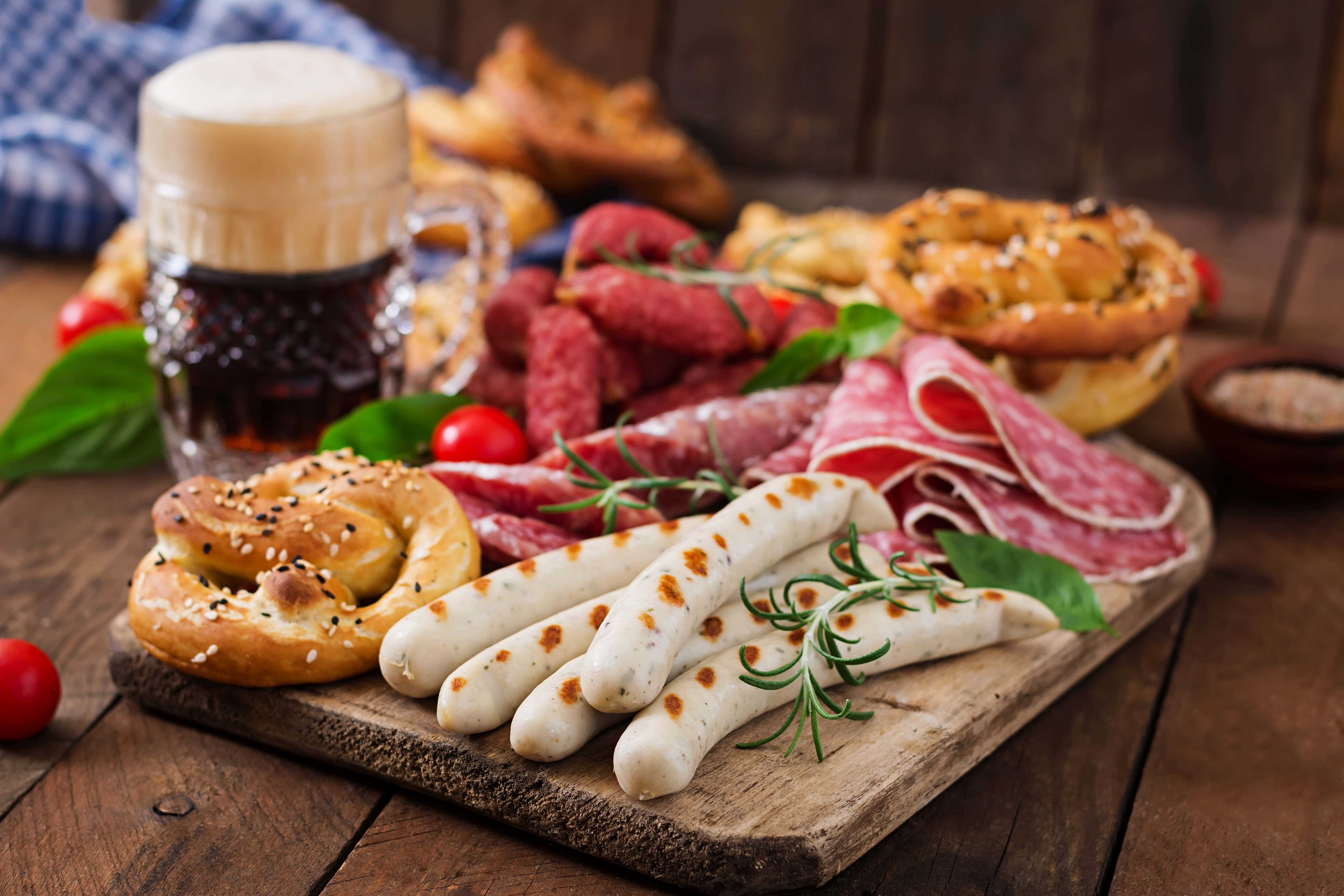
Ready to explore the heart of Europe’s beer culture? From the sacred halls of Belgium’s abbeys to Germany’s bustling beer gardens, the adventure awaits!
Trappist Treasures of Belgium
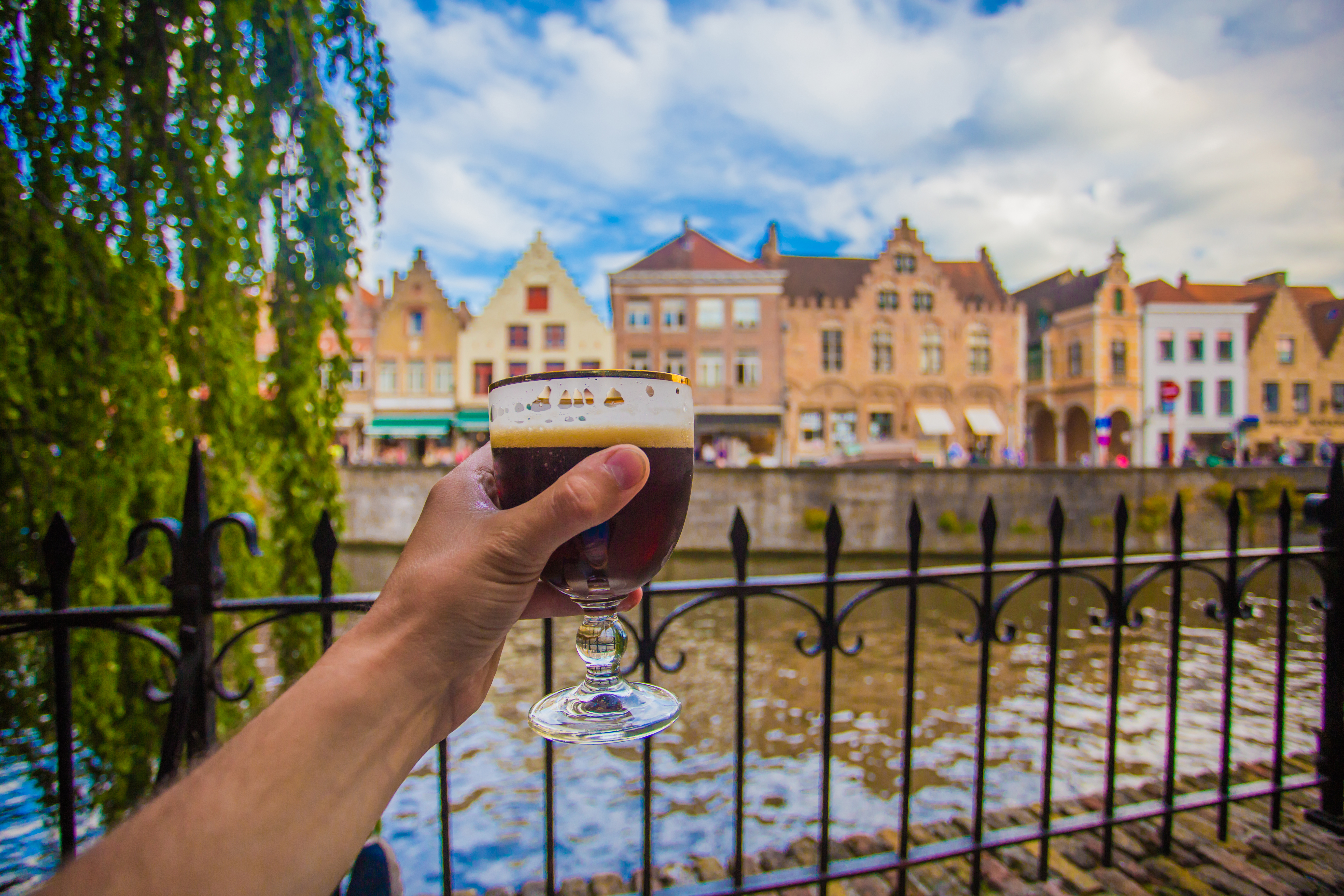
Belgium is a beer lover’s paradise, especially with its iconic Trappist ales. Imagine stepping into the serene abbeys where monks have brewed for centuries. These cloistered spaces offer more than just beer. They offer stories that stretch through history. Each sip of Trappist beer is a taste of tradition, infused with the dedication of generations. The Abbey of Saint Sixtus is a standout. It’s home to Westvleteren, frequently hailed as the world’s best beer. But visiting isn’t just about tasting. It’s about experiencing the serenity and dedication that define Trappist life. The monks’ meticulous brewing process is a testament to their craft. You’ll leave with a deeper appreciation for the humble yeasts and hops that create this divine drink.
Bavarian Beer Halls and Beyond
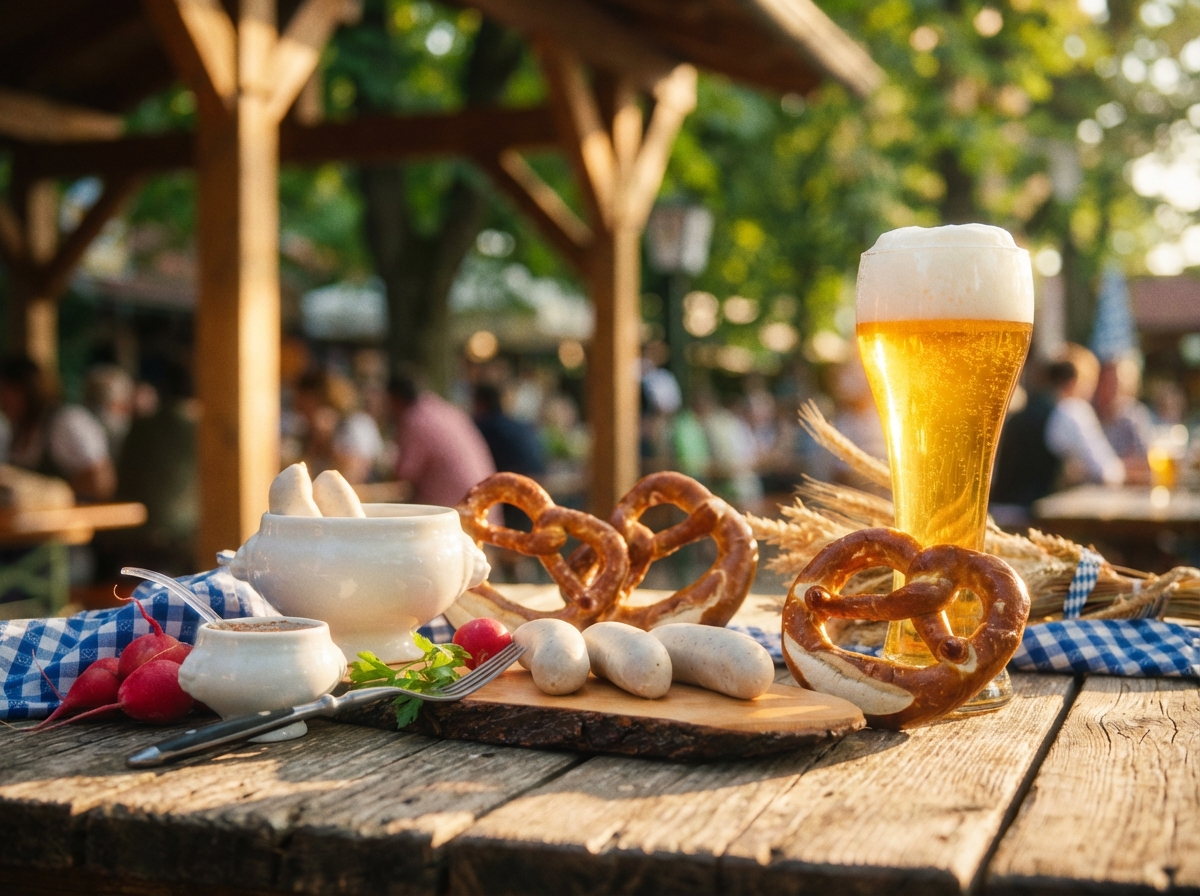
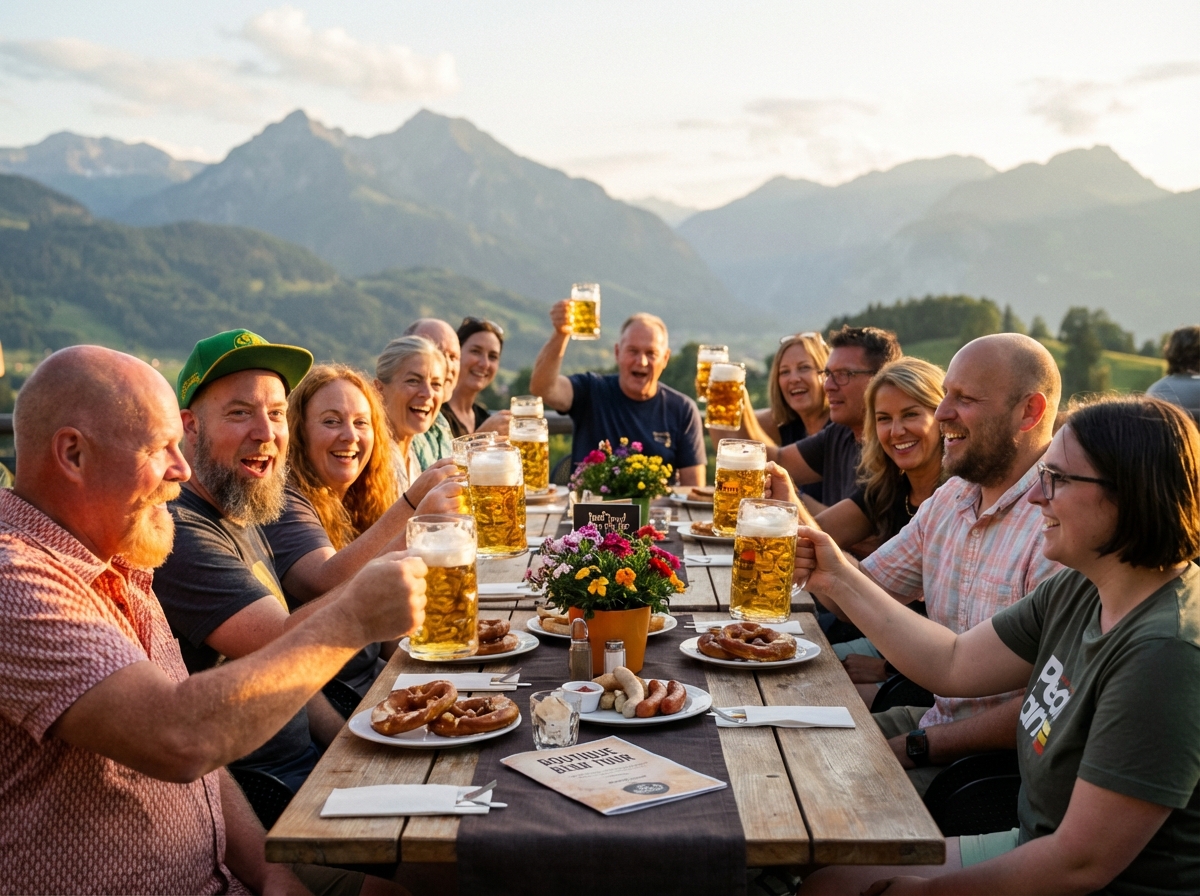
Germany’s beer halls are legendary. Picture yourself in the heart of Bavaria, surrounded by the clinking of mugs and the laughter of locals. Munich’s Augustiner Keller is a must-visit, offering traditional brews and hearty meals that fuel lively conversations. Beyond the halls, Bavaria’s landscape boasts charming breweries nestled in picturesque villages. Each stop tells a story, from the historical Weihenstephan Abbey to the innovative craft brewers redefining German beer. As you sip a crisp lager, you’ll realize why Bavaria is synonymous with beer excellence. Each brewery offers a unique take, yet all share a common thread: a love for quality and community.
Czech Pilsner Tasting Highlights
Czech Republic is the birthplace of the pilsner, a beer style that has taken the world by storm. In Pilsen, you’ll taste the original at Pilsner Urquell Brewery. This isn’t just a tasting; it’s a journey into brewing history. The brewery tour reveals secrets behind the perfect balance of malt and hops. But the Czech beer story doesn’t end there. Explore Prague’s vibrant pub scene, where modern microbreweries offer creative twists on the classic pilsner. As you savor these beers, you’ll understand why Czechs are among the world’s top beer consumers. Their passion for brewing is as dynamic as the city itself, making each pint an adventure of its own.
Wine Wonders Across Europe
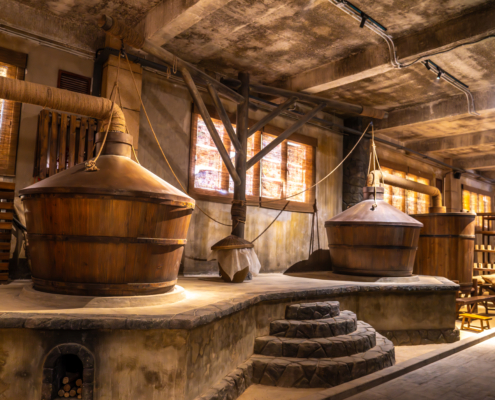
From the rolling hills of Tuscany to the grand estates of Bordeaux, Europe’s wine regions are a feast for the senses. Let’s uncork the secrets of these storied vineyards.
Tuscany’s Sangiovese Secrets
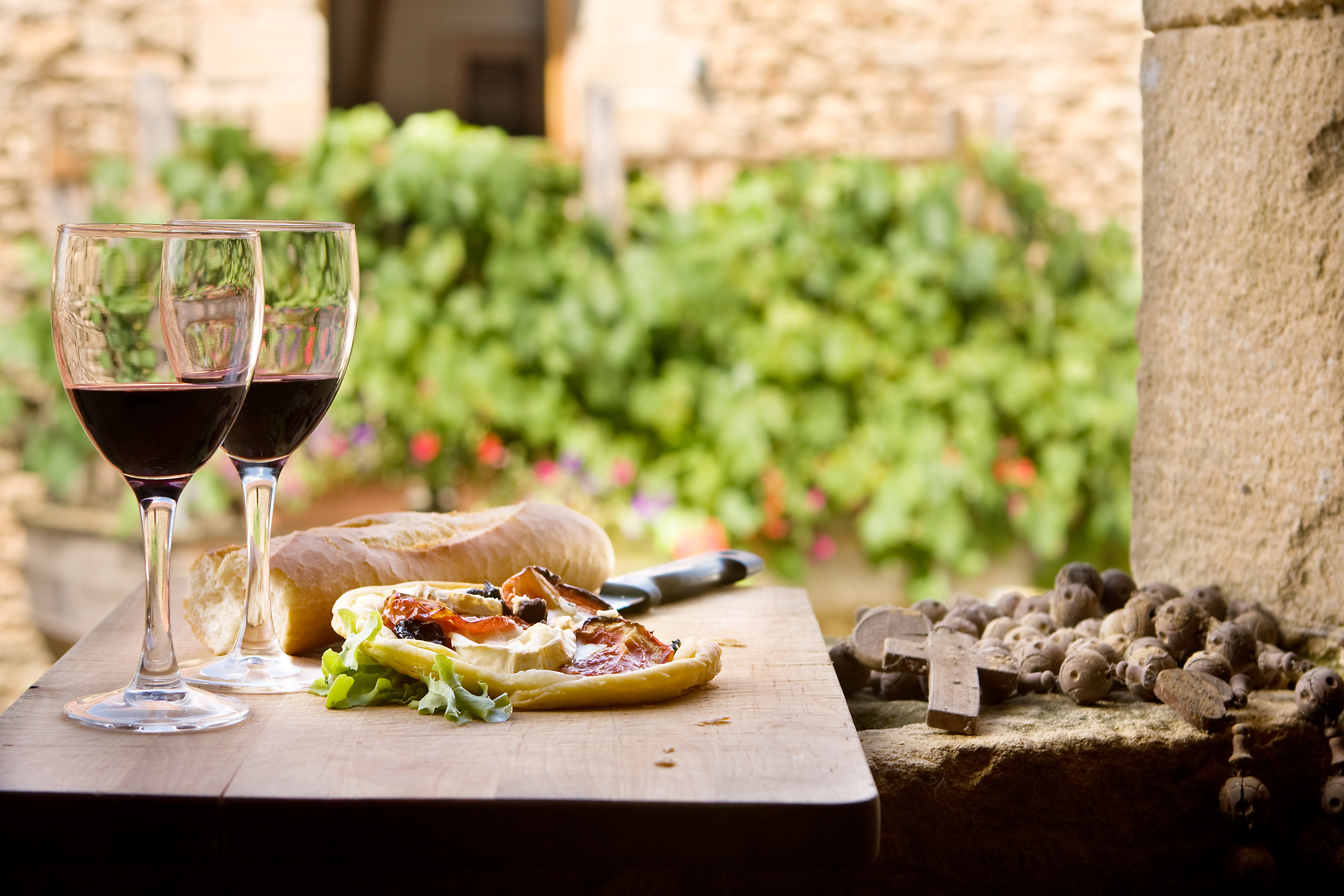
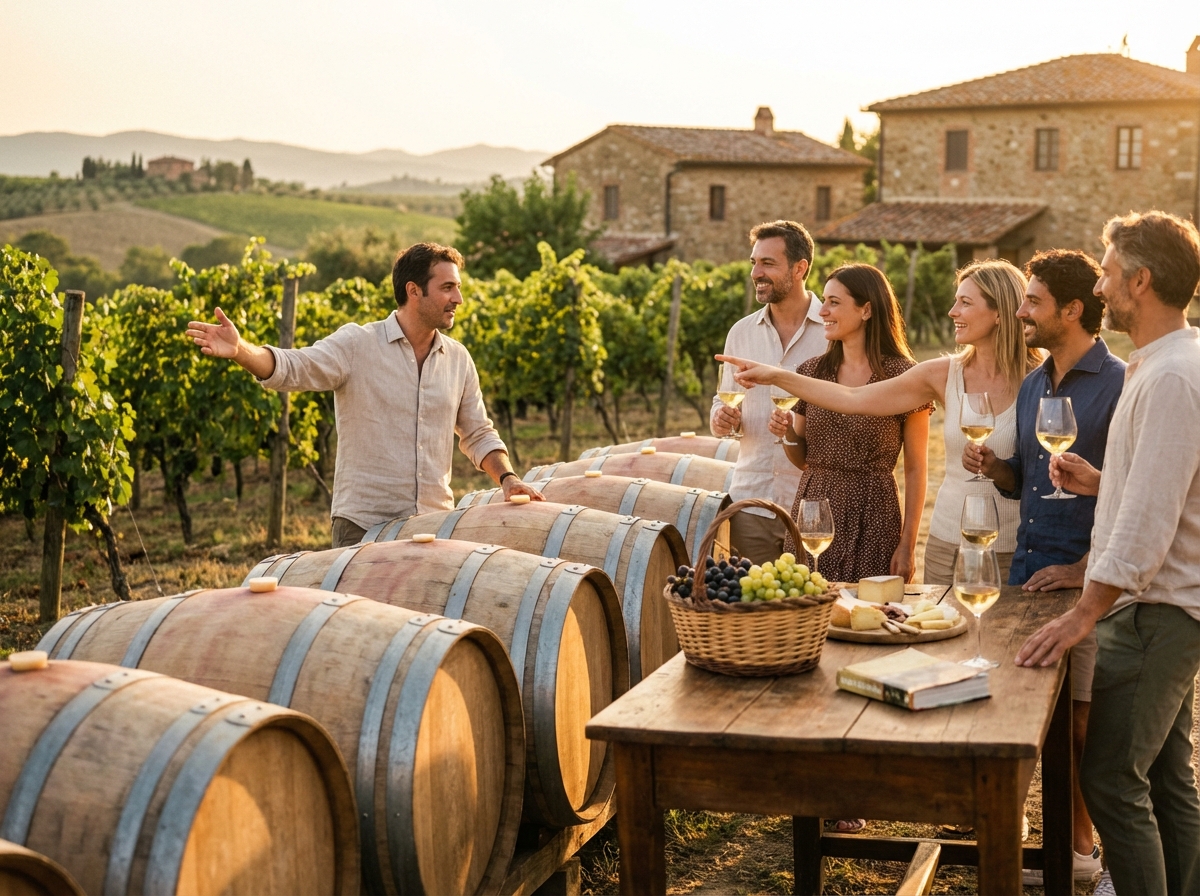
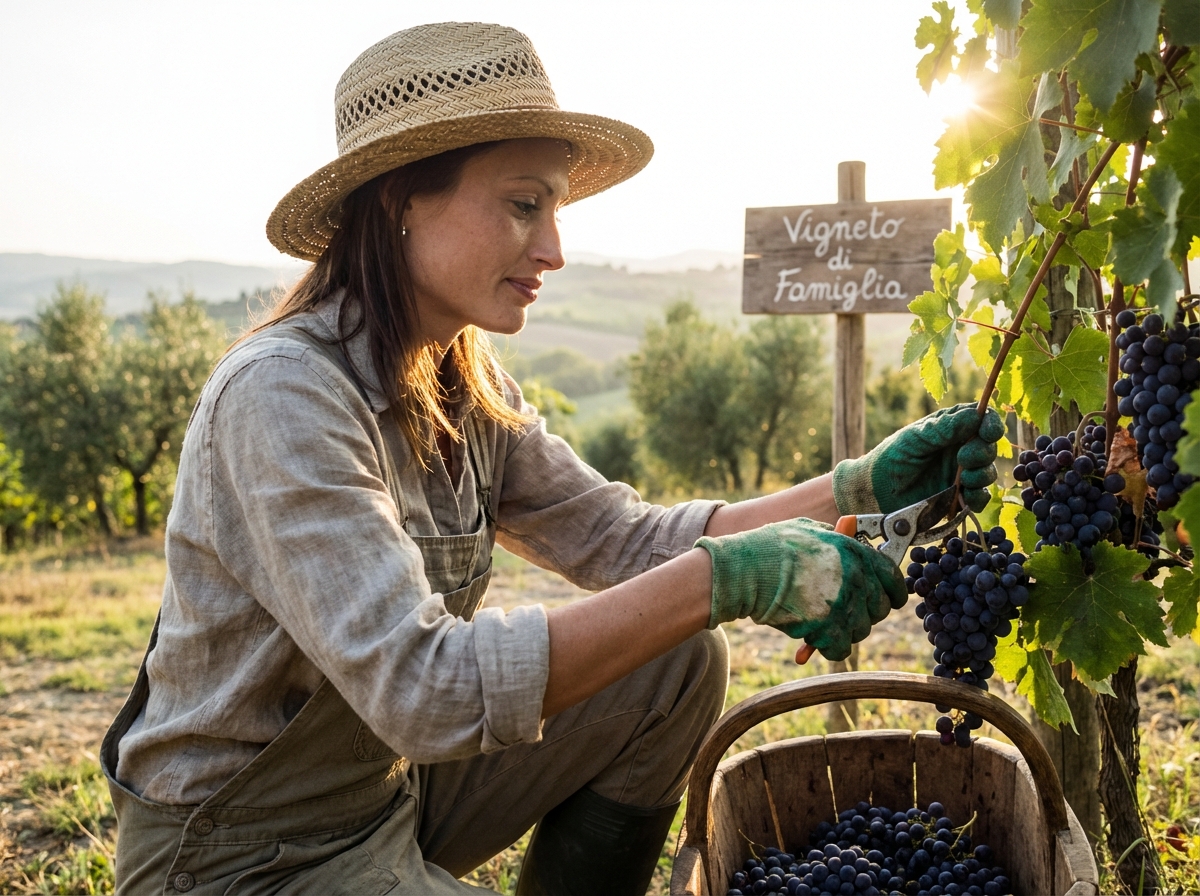
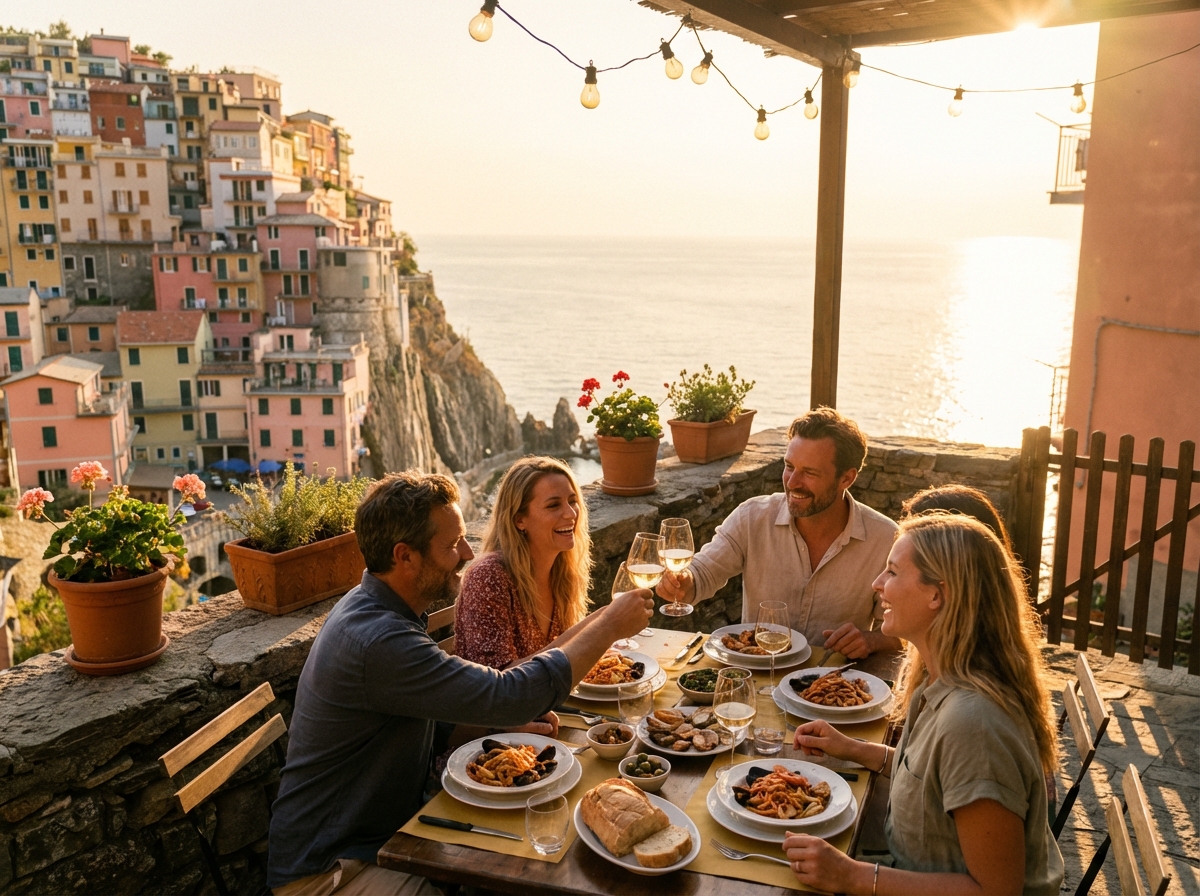
Tuscany is synonymous with breathtaking landscapes and exquisite wines. The Sangiovese grape is the star here, producing Chianti and Brunello di Montalcino. Imagine yourself strolling through sun-drenched vineyards, a glass in hand, breathing in the rich aroma of ripe grapes. The region’s winemakers welcome you into their cellars, eager to share the art of winemaking passed down through generations. Each sip of Sangiovese offers a taste of Tuscany’s unique terroir. But there’s more to discover. Local food pairings make each tasting unforgettable. From fresh pecorino cheese to hearty wild boar ragu, Tuscany’s culinary delights enhance the wine experience, making each visit a true feast for the senses.
Bordeaux Wine Tour Insights
Bordeaux is the world’s wine capital, celebrated for its prestigious vineyards and refined wines. Here, the art of winemaking is taken to new heights. Tour the grand chateaux, where centuries-old traditions meet modern innovation. Bordeaux’s diverse terroirs produce a stunning array of wines, from robust reds to crisp whites. As you explore, you’ll learn about the meticulous process that creates Bordeaux’s signature blends. But Bordeaux isn’t just about the wine. The city itself is a UNESCO World Heritage site, offering stunning architecture and cultural treasures. Each tour is a journey through time, with wine tastings that capture the essence of this iconic region.
Port Wine Cellars in Porto
Porto, Portugal, is renowned for its sweet, fortified wines known as port. The riverside city is dotted with cellars offering a glimpse into the intricate aging process that gives port its distinctive flavor. As you wander through these ancient cellars, you’ll taste a variety of ports, from ruby to tawny. Each type tells a story of aging and blending, offering a rich palette of flavors. Porto’s steep riverside adds to the charm, providing stunning views as you sip a glass of this decadent wine. The city’s lively atmosphere and cultural richness make it a perfect end to any wine journey.
Culinary Delights and Pairings
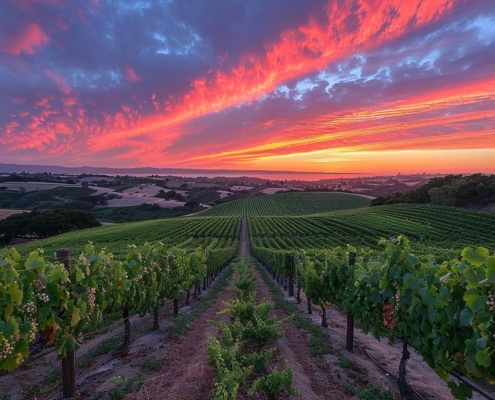
Pair your sips with bites crafted to enhance every flavor. Our culinary tours offer hands-on experiences that delight taste buds and deepen your appreciation for Europe’s food traditions.
Hands-On Pairing Workshops
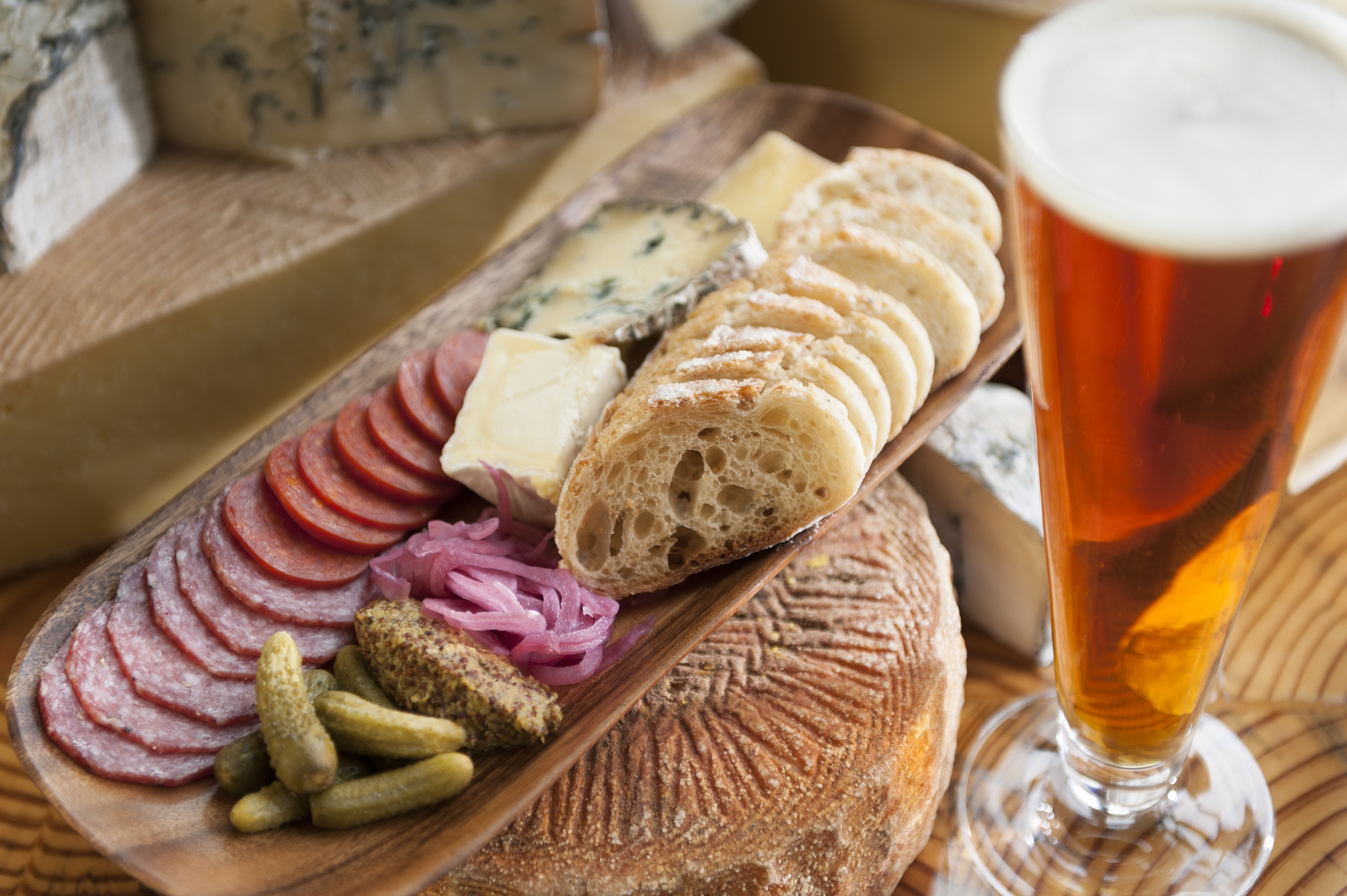
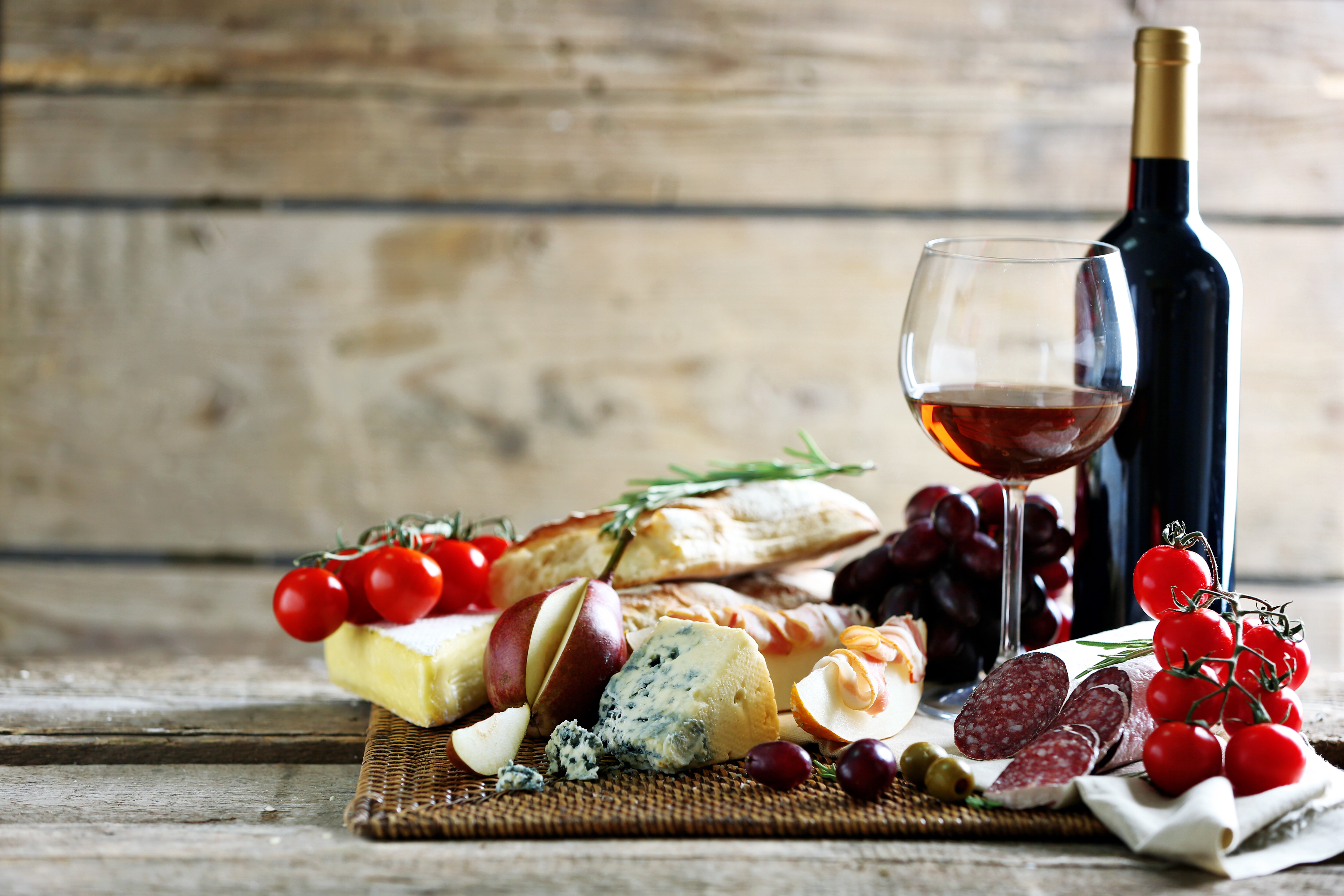
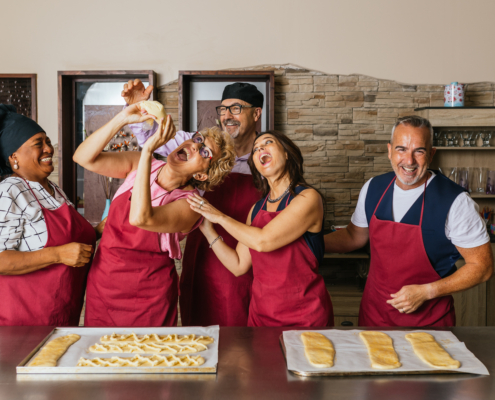
Dive into the world of food and drink pairings with our interactive workshops. Imagine crafting the perfect cheese board to complement a robust red, or discovering the ideal dessert to enhance a sweet port. Each session is guided by local experts who share insider tips and tricks. You’ll leave not only with a satisfied palate but also with the knowledge to recreate these pairings at home. These workshops elevate your tasting experience, turning each meal into a culinary adventure.
Market-Fresh Meals with Local Flavors
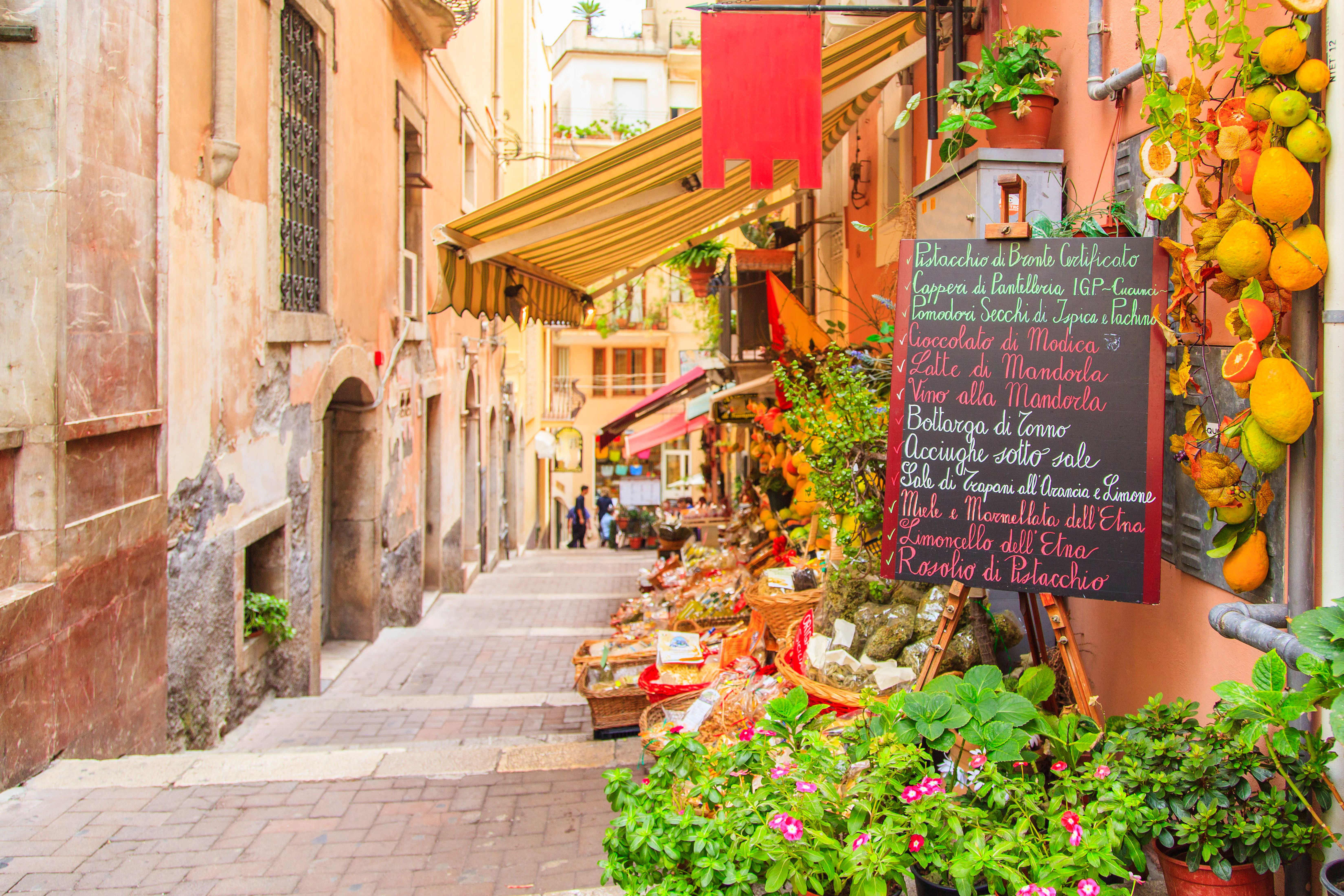
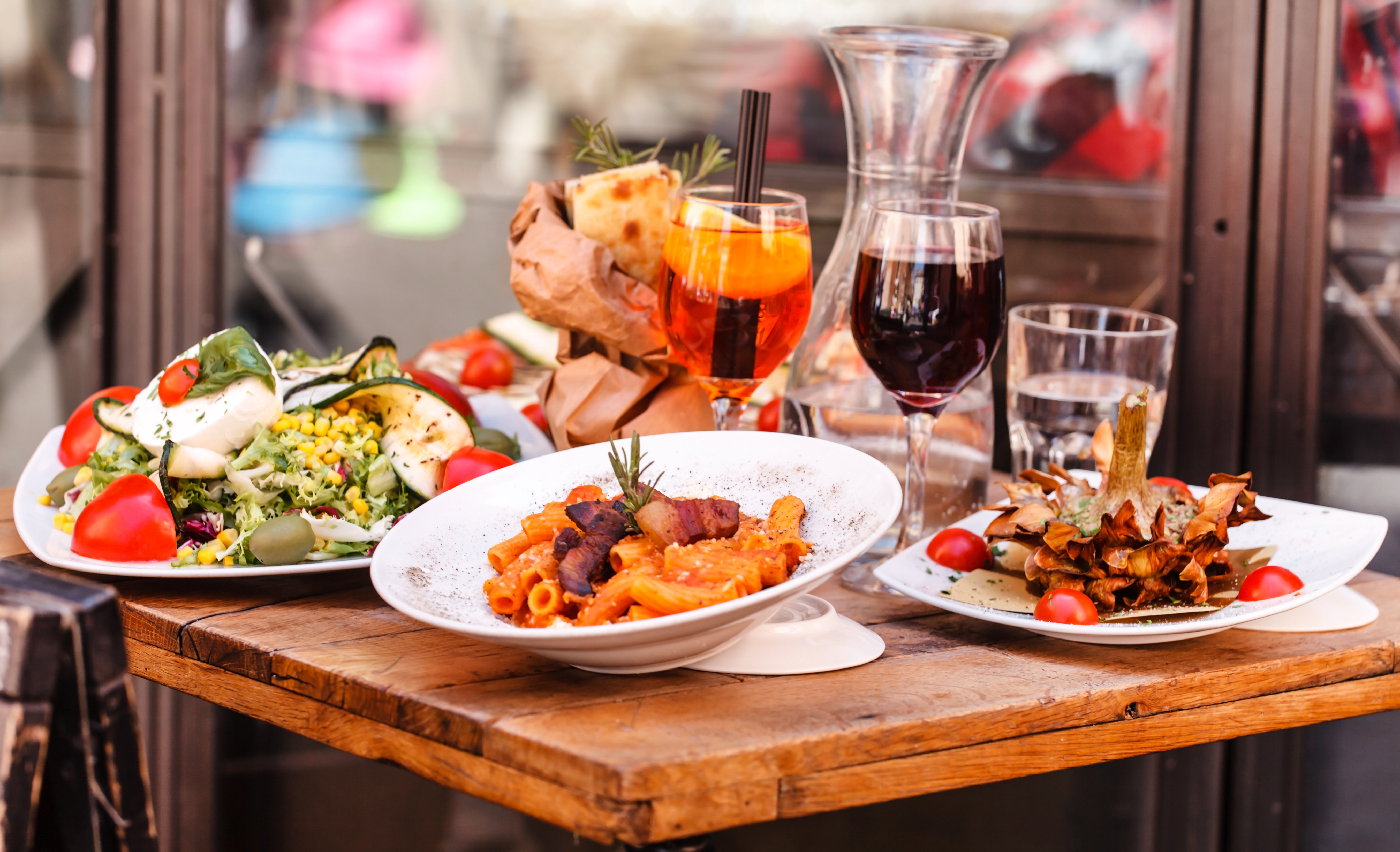
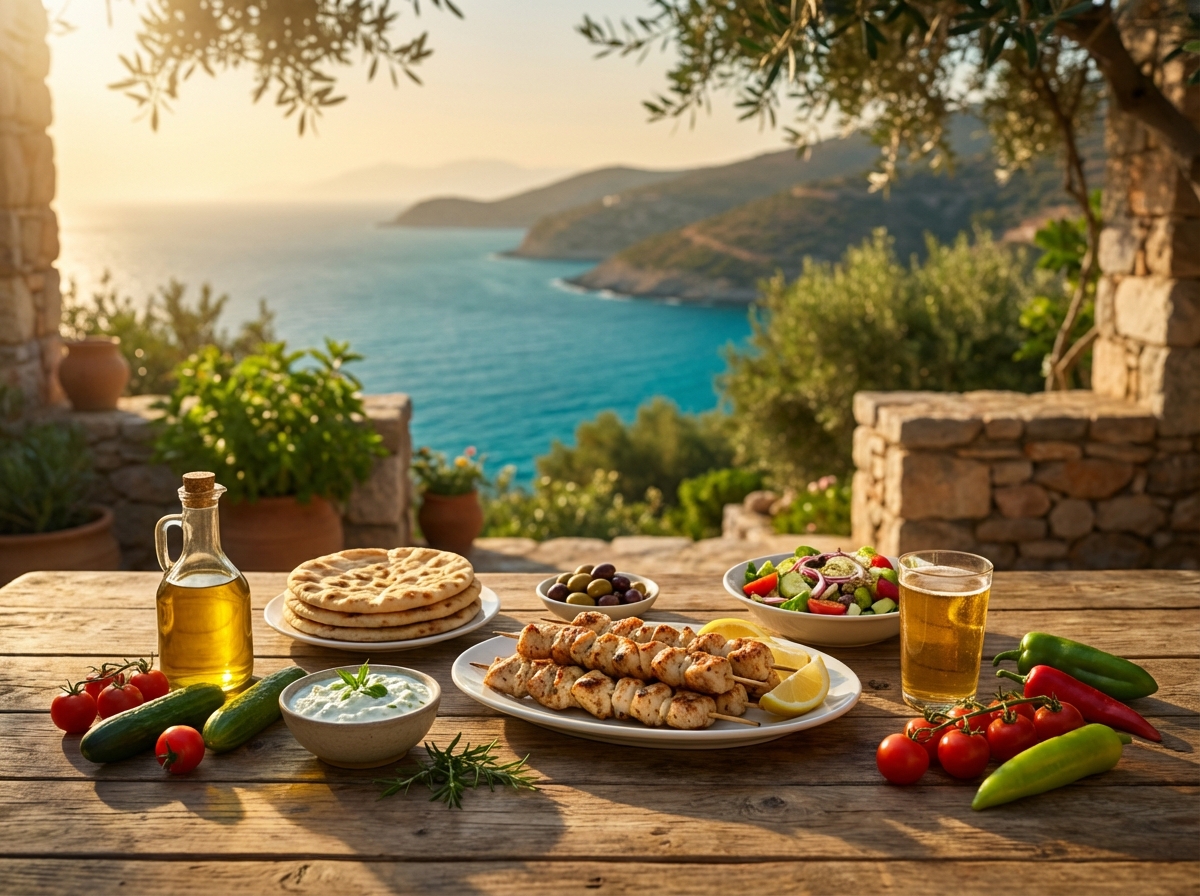
Nothing compares to a meal crafted from fresh, local ingredients. Our tours include visits to bustling markets where you’ll select produce and meats alongside local chefs. These ingredients then transform into meals that are as delicious as they are authentic. From French pastries to Italian pastas, each dish reflects the region’s culinary heritage. Sharing these meals with fellow travelers is a highlight, offering a taste of community along with the flavors of Europe.
Small Group Culinary Tours Benefits 🍷🍺
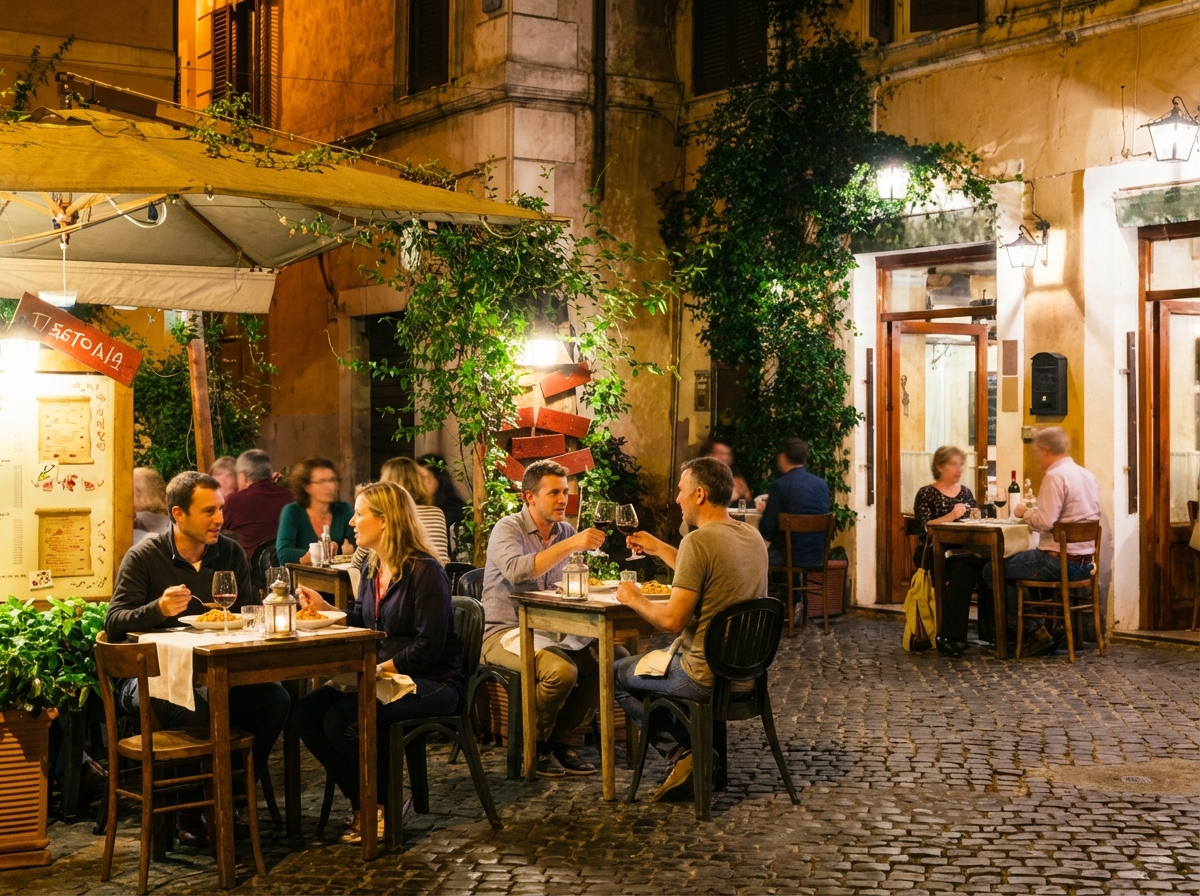
Why choose a small group for your culinary journey? It’s all about personalization and intimacy. With an average of 12 participants, our tours ensure you get the most out of every experience. You’ll enjoy exclusive access to behind-the-scenes locations, from private cellars to artisanal kitchens. Our knowledgeable guides offer personalized insights, turning each tour into a unique adventure. Plus, with flexible itineraries and ample free time, you can explore at your own pace. The longer you wait to book, the more you’ll miss out on these unforgettable experiences.
Explore our European Beer Tours or discover more about wine tours Europe. Your adventure awaits!