Archive for category: eat like a local

Five Traditional Christmas Foods of Europe

1.  Vánoční Rybí Polévka (Czech Christmas Fish Soup) – Czech Republic
Harking back to a simpler time when meat was a luxury to most Europeans, the tradition of eating carp (a freshwater fish) for a treat at Christmas has remained strong in the Czech republic.  None of the fish was wasted – most recipes for this soup call for the head and viscera to be boiled to make the stock.  Even today the mayor of Prague doles out this soup to the needy on the Old Town Square on Christmas Eve.
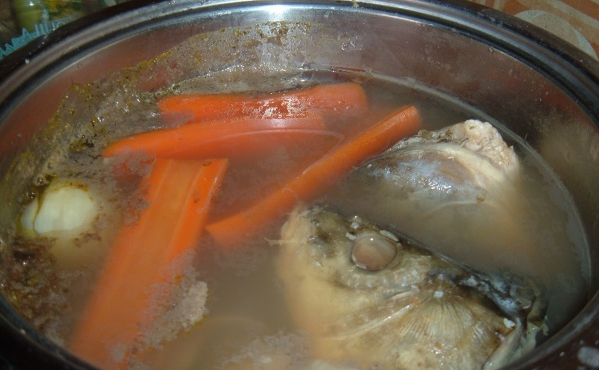
First the stock is prepared for vánoční rybí polévka

2. Les Treize Desserts (The Thirteen Desserts) – France
Here’s one for the kids (and those of us adults with a sweet tooth).  In the Provence region of France,  Christmas Eve is epic meal time, or Le Gros Souper.  The table is set with three candles (representing the trinity) and a large dinner of fish, vegetables, bread and cheese is shared.  The thirteen desserts (representing the number of diners at the Last Supper) are then laid out to finish the feast.  The desserts consist of various fresh and dried fruits, nuts, nougats, cakes, and sweet wine.  After all that, everyone heads to the local church to try to stay awake through Midnight Mass!
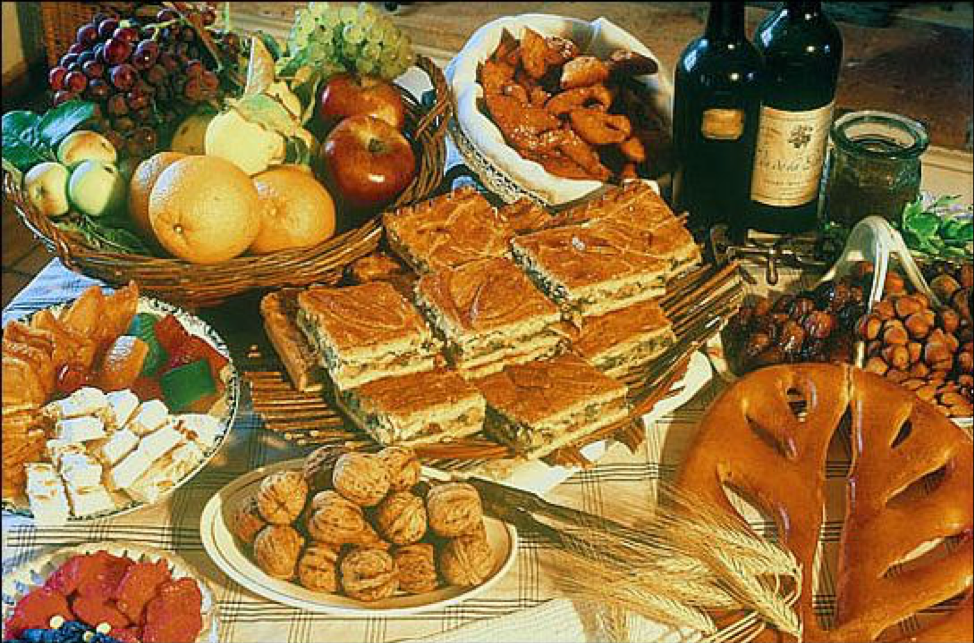
Les Treize Desserts

3. Pandoro (The Golden Bread) – Italy
This Italian sweet bread, traditionally from Verona, is a favourite at Christmas.  By its appearance you would think it is a cake, but it is in fact a leavened yeast bread, sweetened with sugar or honey, and dusted with icing sugar (some say to resemble the Dolomite peaks just north of Verona).  Pandoro is typically served with a side of whipped cream, or even better, vanilla gelato, and a strong Italian espresso.  Yum.
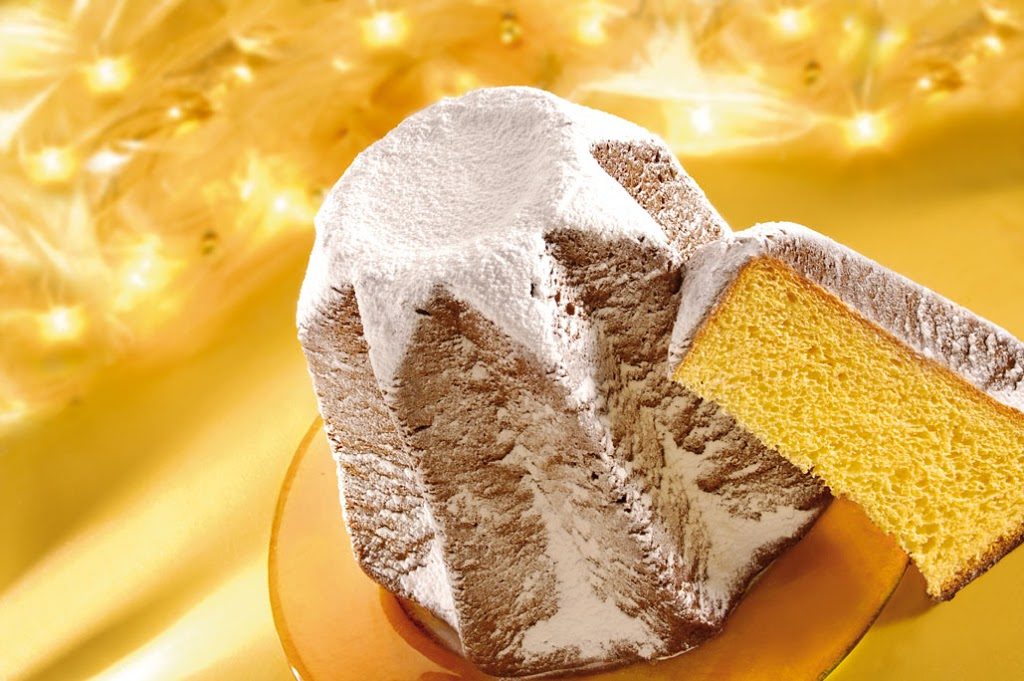
Pandoro gets its golden colour from the egg yolks used in the simple recipe

4. Lutefisk (Lye Fish) – Norway
It is hard for a non-Scandinavian to understand the appeal of this dish… however it remains very popular at Christmas throughout the Nordic countries, especially Norway.  Dried cod is soaked in a solution of water and lye for a number of days, which changes the texture of the fish, making it more like a fish “jello” (jellyfish?).  At this point, the fish is inedible because of the lye, so it has to be rinsed in clean water for several days to remove most of the lye.  Then it is ready to be baked or parboiled, and served in all of its odoriferous, gelatinous glory.
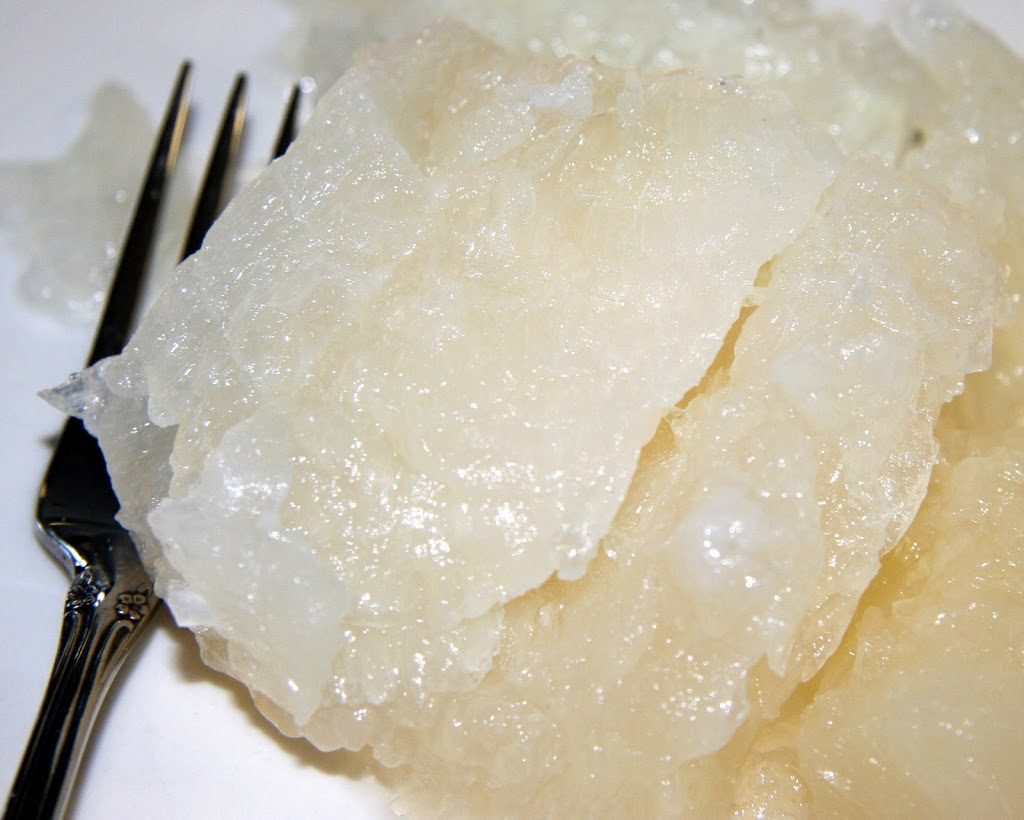
Lutefisk: Just tell the kids it’s jello

5.  Cougnou  (Baby Jesus Bread) – Belgium
This sweetened yeast bread, dotted with coarse granules of sugar, is made in the shape of “the babe wrapped in swaddling clothes” (Luke 2:12).  A children’s favourite at Christmas, it is usually served with another Belgian specialty – real hot chocolate.
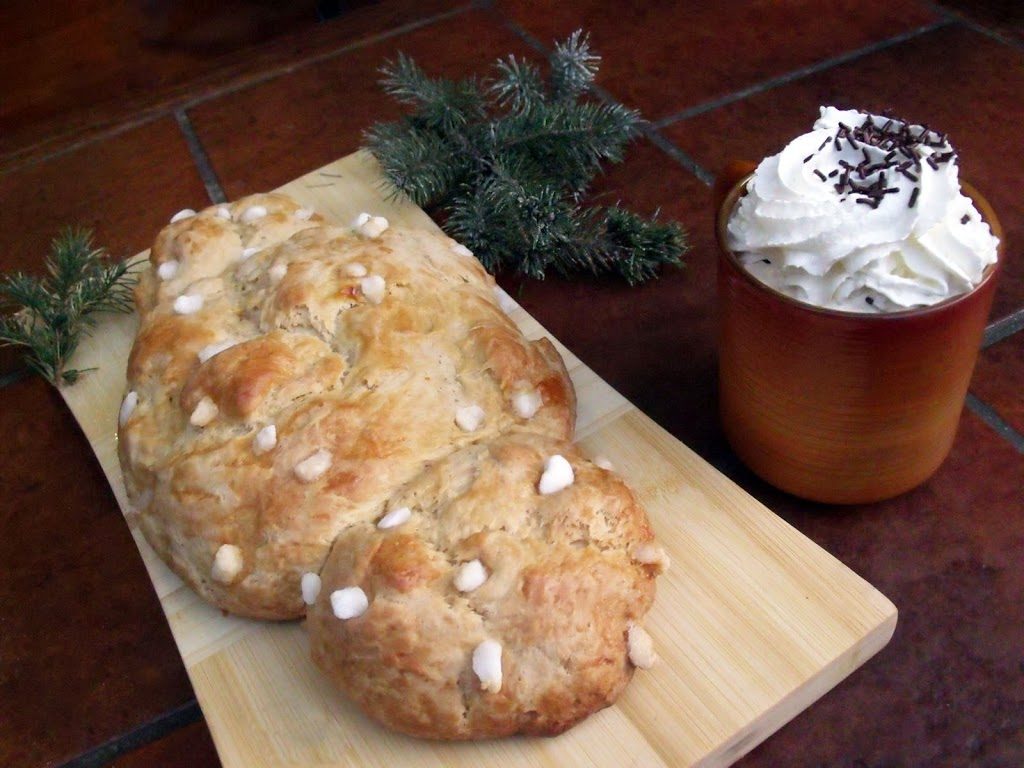
This looks so good, I’m going to try to make it myself.

Europe – home to so many different culinary traditions.  Isn’t it time you made the trek?  Join one of our specialized tours of Europe and enjoy regional cuisine at its finest.  Go to Eat and Drink Like a European for details.

Prosecco

An hour north of Venice are the beautiful rolling hills of the prosecco region. This sparkling white wine is a protected agricultural product that can only be made here, to exacting standards. On our Eat and Drink Like a Northern Italian Tour we visit the best of the best along the Prosecco road, and enjoy a wonderful tour and ample tastings of the various styles of prosecco accompanied by local food and great company! Join us for this and many other exclusive activities that you simply cannot find on your own or on any other tour on the market!

Proper Tiramisu

There’s the “Tiramisu” you get at the Olive Garden… and then there’s actual Tiramisu in Italy. Properly served, with fresh espresso that you add just before eating! Enjoy this on our Eat and Drink Like a Northern Italian Tour!

Is food and drink an afterthought, or a main feature? Check your itinerary!

Planning a trip to Europe can be hard work.  Planning a GREAT trip to Europe is a daunting task.  However, with the proper research and reservations, you can definitely get the best out of your European vacation, and ensure that what you eat and drink will be as important to the experience as what you see and do.

For many tourists, food and drink is an afterthought.  Eating local means non-descript pasta in Italy washed down with some sort of wine… plate after plate of sausages and sauerkraut in Germany with a standard light lager… cone of fries and a Stella Artois in Belgium…

All these things are fine for tourists (except the Stella in Belgium!  c’mon!) if you really have no interest in connecting with the culture and just want to avoid going hungry while you see the sights.  But many travellers want to engage with the local scene and immerse themselves in the region and aren’t sure how to go about this.

If you’re one of those travellers, here are a few suggestions when planning your trip.

  1. Don’t assume there is a “national” cuisine.  Take Italy for example.  The pizza/pasta stereotype for Italy just doesn’t cut it when you look at the huge variety of regional food traditions – the cuisine of the Veneto is not the same as the cuisine of the Alto-Adige or Emilia-Romagna or Liguria or… you see what I’m getting at.  There are plenty of restaurants that cater to tourists that will serve the same basic pizza/pasta throughout Italy.  But to really connect, you want to read about the food culture in the specific region you are visiting, and seek out restaurants that celebrate it!  If Italy is on your list, I would highly recommend reading “Italian Cuisine: A Cultural History” by Capatti and Montanari as you are planning.  It’s not a recipe book, but regional dishes are explained in context.  Highlight the ones that interest you, then find restaurants that specialize in those dishes.
  2. When you are in Europe with no specific plans for your meals that day, take note of restaurants that don’t seem to cater to tourists.  Not on the main squares.  No English menu.  No “tourist menu” (that always makes me laugh – they actually put that on the signs out front of some restaurants!)  No bow-tied pushy waiter standing out front trying to convince you to step inside.  A place where you are mostly hearing the local language, and where ordering might be a bit of an adventure!  If you know a few basic words in the language, and maybe can use your phone to translate anything your are unsure of, you’ll be fine and you’ll probably have one of the most memorable experience of your trip!
  3. More expensive does not necessarily equal better quality.  Many of the best food and drink experiences are the ones that the locals can afford too.  I’ve had plenty of €3 glasses of house wine that suited the food and my palate better than the much more expensive bottles from the restaurant’s cellar.  I’ve had ultra-cheap beer and food in little taverns in rural Germany that completely outshone the expensive meals offered at the hotel restaurant.

If you are interested in letting someone else take care of these details for you – we’re your people!
Eat and Drink Like a European offers the most unique tours in the industry – the best food and drink experiences with a focus on the most interesting history, art, and architecture.  

Delicious Milano!

The typical Milanese cuisine might not be as famous as the Roman or Tuscan, but it’s definitely worth trying: in fact, it includes some of the most delicious food in Italy!

Just like that of the whole region of Lombardy, the Milanese cuisine is made of ancient recipes based on simple ingredients. But as we said, most of its recipes are not that famous outside of this Northern Italian city, so… What to eat in Milan?

When you join us on our Eat and Drink Like a Northern Italian tour, you can be sure that you will taste the best that Milan has to offer!

Aperitivo

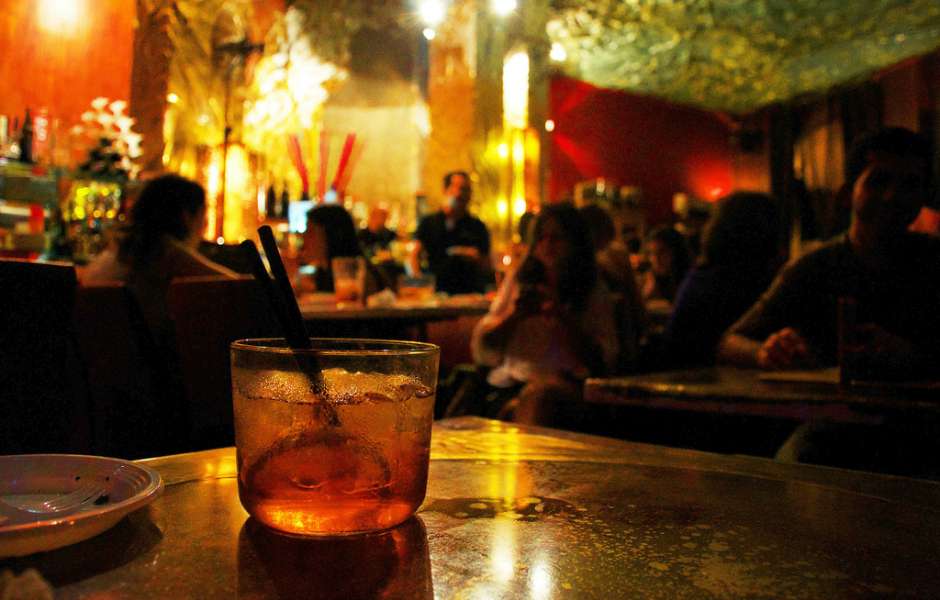
An aperitivo before dinner.

Cotoletta alla Milanese

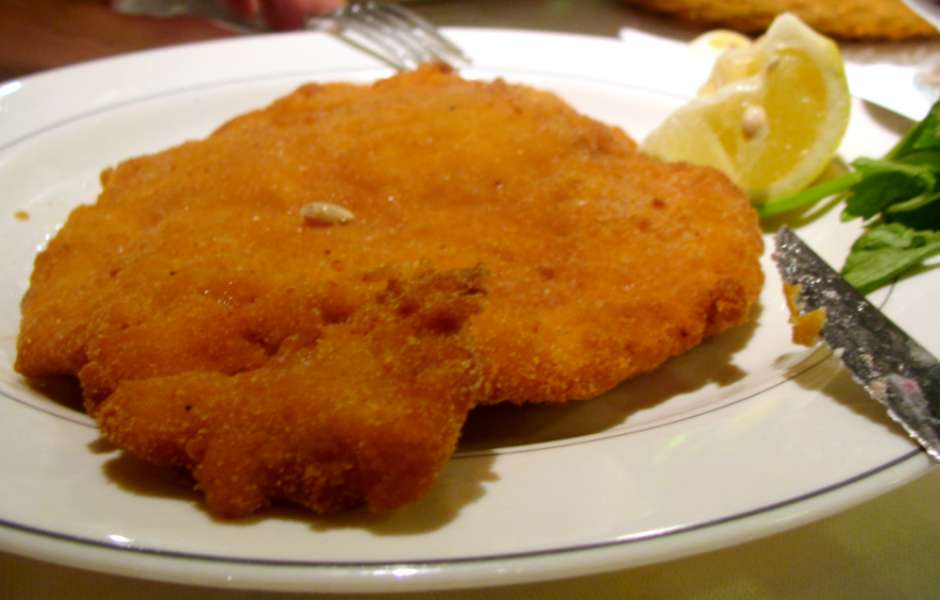
It is a famous meat recipe, very simple and quick to prepare, known all over the world with many variations, but the authentic tasty and crispy veal cutlet is only one, and can be enjoyed only in the city of Milan.

This dish consists of a delicious slice of sirloin breaded veal with egg and breadcrumbs and then fried in butter: a real treat for the palate. The union of the breading fragrance and the meat softness make this dish a must if you are in Milan.

cotoletta alla milanese

Perfectly breaded, crisp and moist cotoletta alla milanese


Risotto alla Milanese

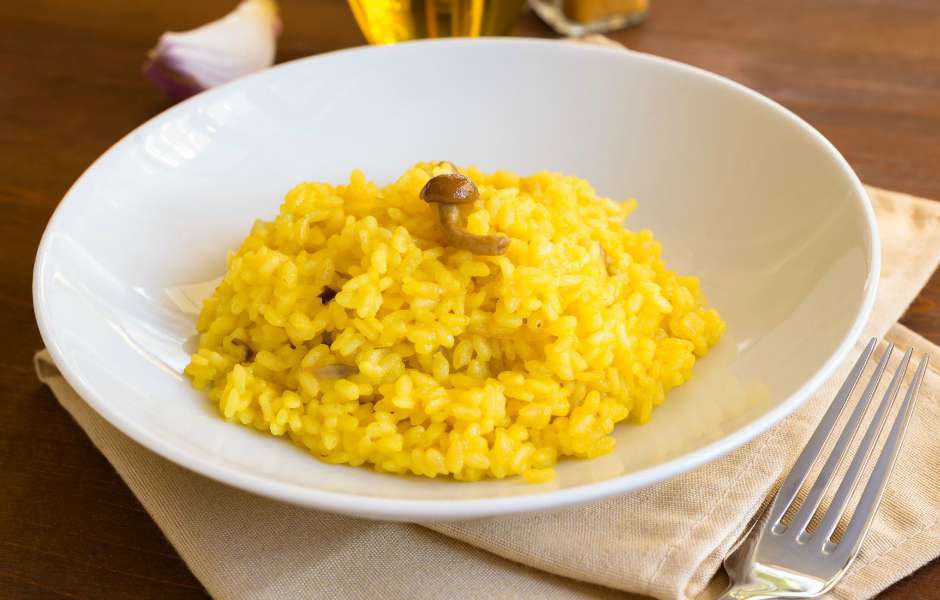
A first course, part of the Italian culinary traditions, that fascinates primarily for its color of gold, for its delicious scent and obviously for its unique taste. One must be careful, however, not to confuse it with the “saffron risotto”: the differences between the two are few but important.

The main ingredient is definitely saffron, but the real traditional Milanese recipe includes the use of beef marrow, fundamental to enrich the taste of the dish, and a dash of white wine. Famous and appreciated all over the world the risotto alla Milanese has a long history of flavors and continues today to be beloved by both the Milanese and tourists.

risotto_alla_milanese_milan_food

The fragrant Risotto alla Milanese


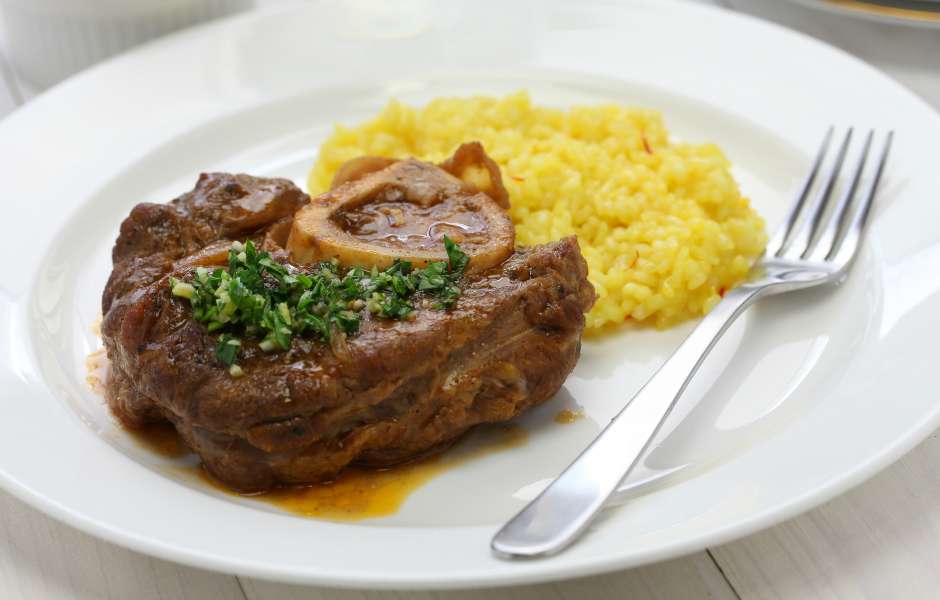
Ossobuco

The ossobuco (literally, the “marrowbone”) can be served as a main dish, but very often it is served accompanied by the risotto alla Milanese (and it is wise and recommended choice). It is a beef steak – with a hole containing the bone in the middle, and it can be cooked in different ways. The softness of this type of meat makes this dish unique and delicate.

In addition to the accompaniment with the risotto, the ossobuco is also excellent along with chopped garlic, parsley and anchovies, or with fried tomatoes and onions.

Ossobuco

Tender, delicious Ossobuco


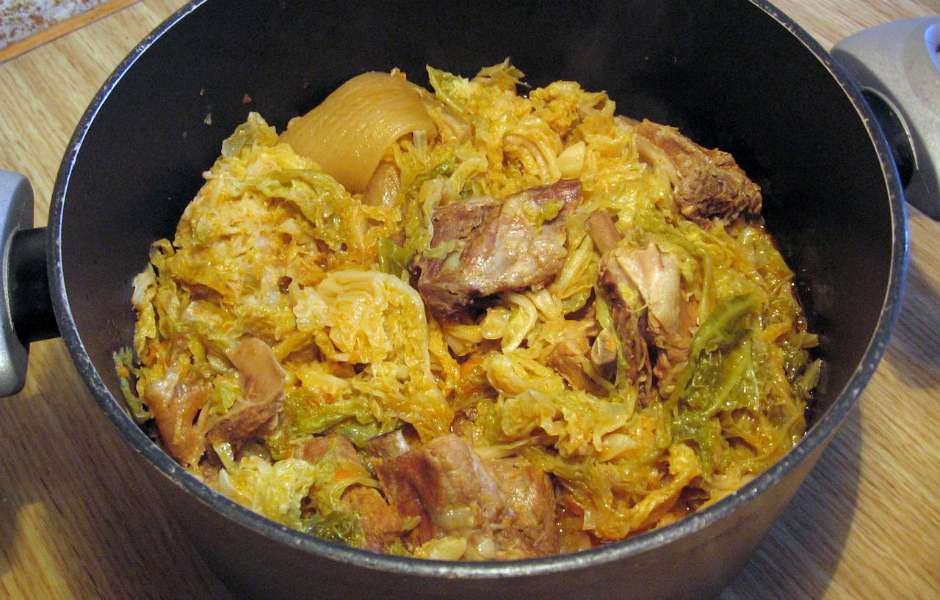
Cassoeula

The Cassoeula is a winter typical dish of the popular tradition of Lombardy. Its origins are very old, and its recipe has changed a lot over the years, be it has always been beloved.

The main ingredients of cassoeula are cabbage and pork.

The typical Milanese folk dish Cassoeula

The typical Milanese folk dish Cassoeula


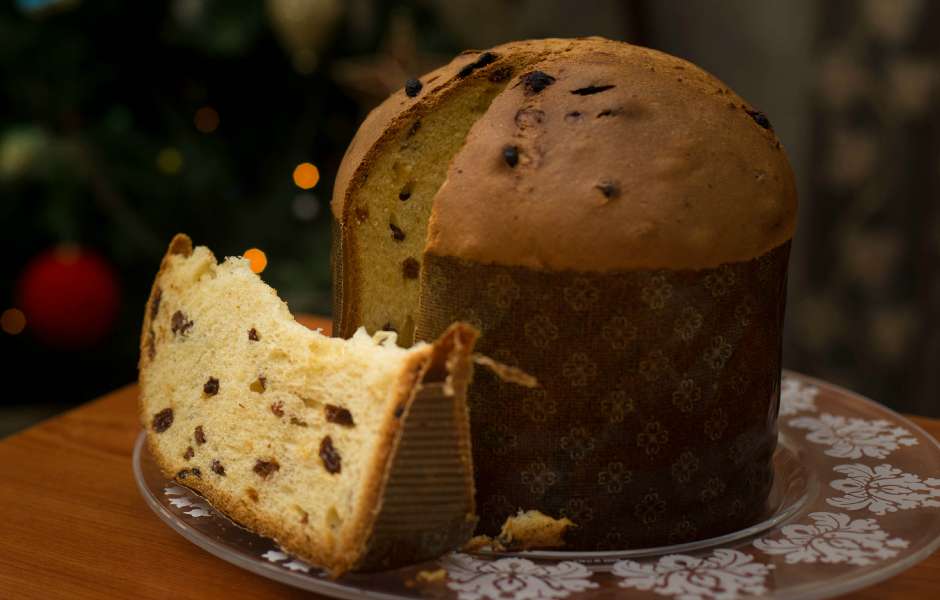
Panettone

A historic Milanese dessert, eaten each year throughout Italy especially in the most beautiful time of the year, Christmas. The Milanese Panettone unites the whole table, is the sweet of Christmas and it’s beloved by all, both for its taste and for what it is able to convey emotionally during the Christmas atmosphere.

The origins of panettone are ancient and sometimes fade into legend: it is said that it had been cooked for the first time only with scraps, with what was advanced in the kitchen. Its recipe is simple, it takes a few natural ingredients – flour, baking powder, orange, eggs and the inevitable raisins.  Delicious!

The Christmas treat Panettone

The Christmas treat Panettone

Belgian Café Culture

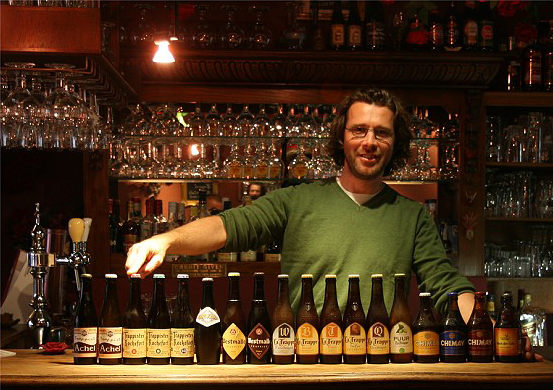
When you think of café culture, Paris or Vienna probably come to mind.  But Belgium has a café culture all its own – and guess what?  Coffee isn’t even on the menu.  Head into À la Mort Subite in Brussels – the grand-daddy of all Belgian cafés, and you will be greatly impressed by the extensive selection of Belgium’s national drink:  beer.  Enjoy getting recommendations from the sometimes surly but always suave waiters – just don’t ask for a Bud Lite.  The slightly-sticky but classy art-deco surroundings will transport you back to a time when “Bud” didn’t even exist – you can imagine generations of gentlemen in top hats and ties sipping delicious monk-brewed tripels and dubbels after a long day at the office.   Perhaps it’s all those years of imbibing that have led to the aforementioned stickiness.

8688131474_c2f0db386ea_la_mort_subite_12

Though I enjoy the big name must-sees, my favourite Belgian cafés are a little more out of the way, a little more hole-in-the-wall than the famous À la Mort Subite.  I think no other town has a better selection of such watering holes than Bruges – a town seemingly plucked from the middle ages and transported through time for us to enjoy today.  I’ve got many favourites here, but I’m only going to list my top three.


Café Rose Red

rose_red_01 rosered01 cafe-rose-red

It takes some balls to actually put a price on your menu – for the menu itself!  If you want, you can actually buy the menu for €10 as a keepsake from a night you probably will only remember the start of.  Café Rose Red is owned by friendly Kris (who also operates the Hotel Cordoeanier, which, conveniently, is in the same building!) and managed by super-beer-knowledgeable Giles.  At Café Rose Red you can expect a quiet, beer-focussed evening, with some tapas if you wish, and lots of great conversation, even if you come alone.  This is my favourite place for a drink in the entire country of Belgium.

Slogan:  “Trappist beer …. taste the silence”

Recommendation:  If you can’t get out to the abbey of Sint-Sixtusabdij Westvleteren, this might be the place you can actually “taste the silence” and enjoy the most exclusive beer in the world.  Available when they can get it…  If they’re out, ask for a recommendation for another monk-brewed Trappist beer.

Details:  AddressCordoeaniersstraat 16, 8000 Bruges, Belgium  Contact:  +32 50 33 90 51 info@cordoeanier.be  Hours:  11 AM to 12 PM daily


Café ‘t Brugs Beertje

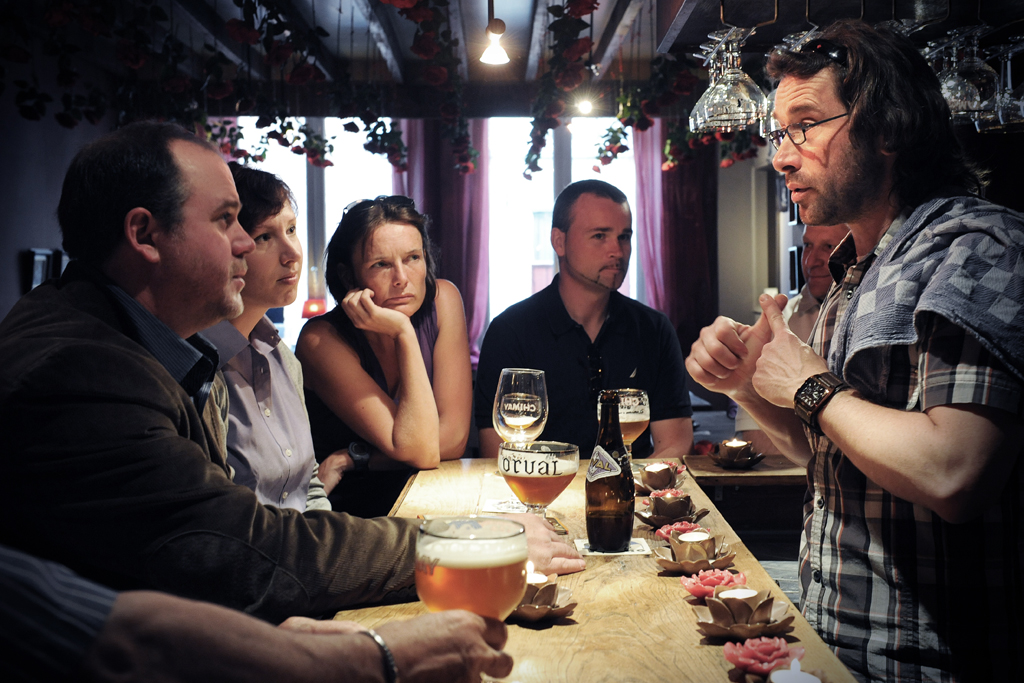
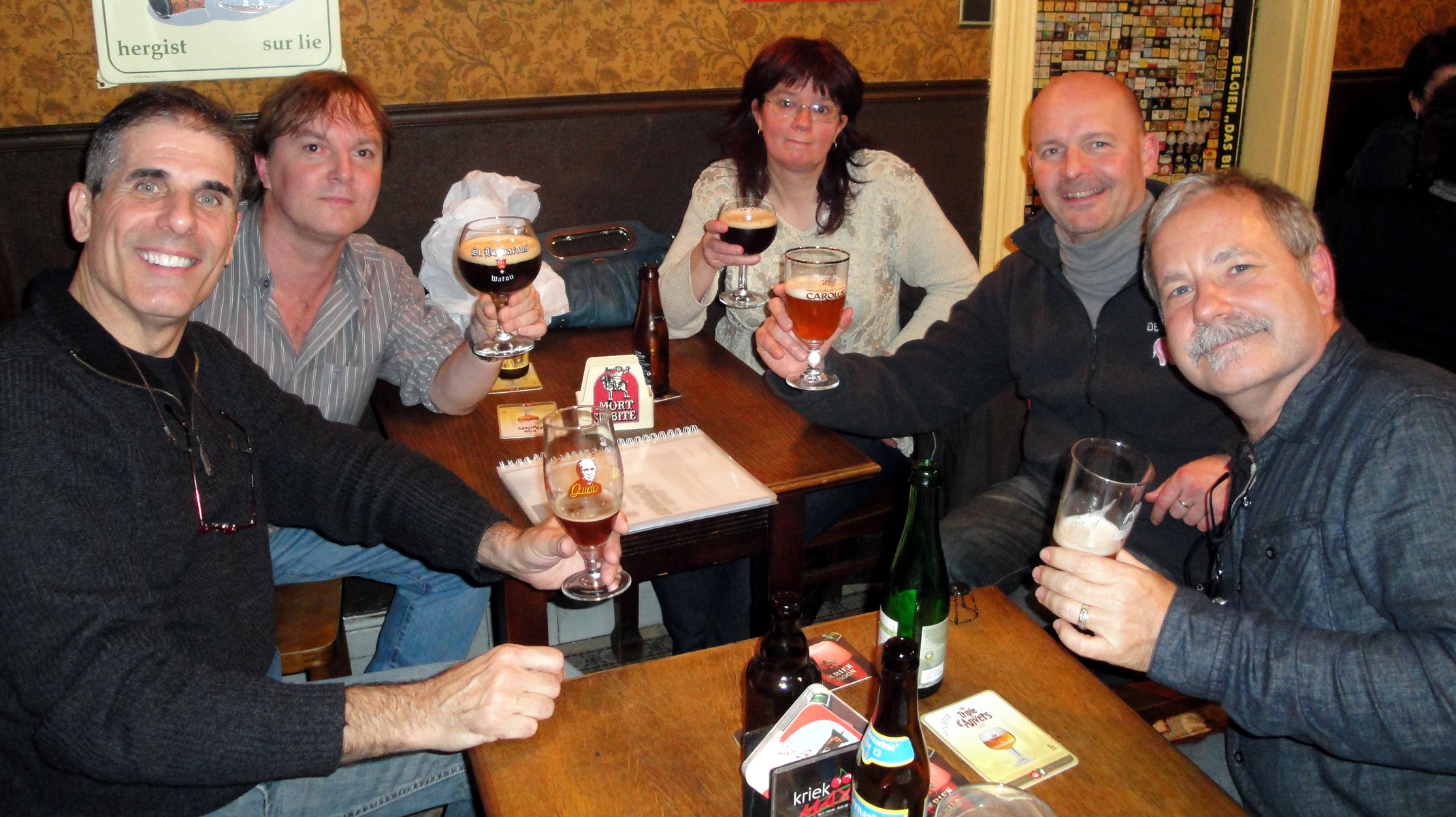
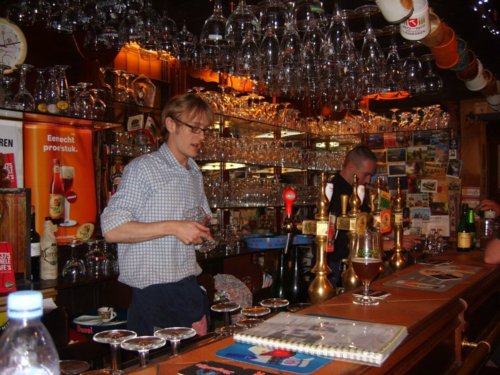
Tom, Laura, and company will keep you fully informed and fully, well, filled, with amazing Belgian beer from a selection that has a ridiculous amount of beers on it.  When they hand you the menu, it is as if they have given you some pre-internet encyclopedia, and in many ways, their menu is an encyclopedia of the great beers of Belgium, categorized by the various regions of this small country.  If you’re looking for a night to spend with that someone special, cozy up at one of the small tables.  If you want to meet new friends (Belgian or otherwise), sidle up to the bar – it’s the most happening place in town for those in the know.

friends-sharing-a-few-beers-at-e28098t-brugs-beertje tumblr_lxwbs19zbe1r3pjei e28098t-brugs-beertje

Slogan:  “The Brugs Beertje is not just a pub, but a worthy tasting house where the real beer spirit is enjoyed by the local and foreign guests.”

Recommendation:  That’s hard with such a huge selection.  I like to ask for the Duvel Triple Hop from various years (they change it up every year and the Bruges Bear usually has some old stock) and do a little taste comparison.  If not available, just ask Tom, or Laura, or whoever happens to be behind the bar that night, what they recommend.  They are the wizards of beer!

Details:  Address: Kemelstraat 5, 8000 Bruges, Belgium  Contact+32 50 33 96 16  info@brugsbeertje.be Hours:  4 PM to 12 AM daily (or later, contact for exact times)

Staminee de Garre

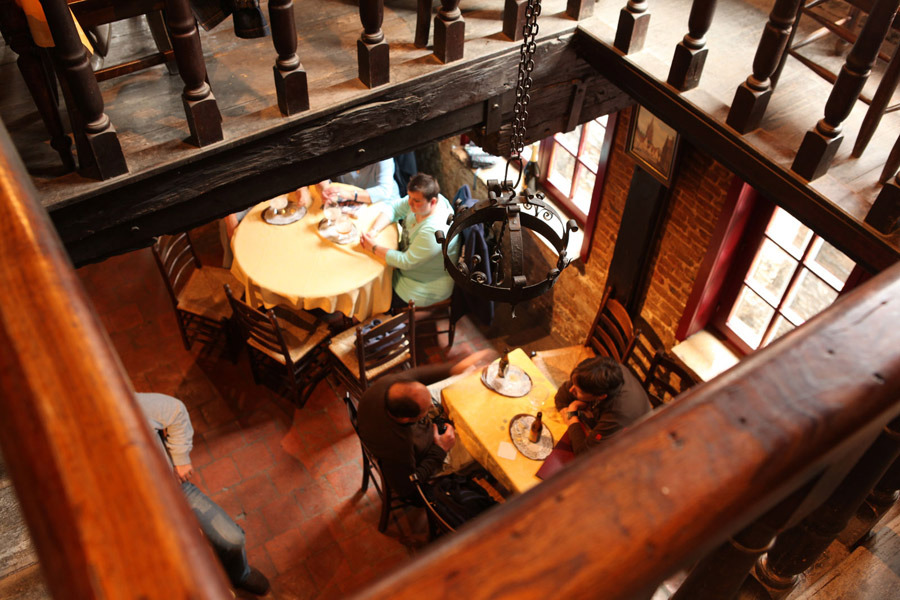
Good luck trying to find this place.  But if you are lucky enough to make your way down Bruges’ shortest street, you will enter this tiny den of Flemish quaintness.  Tables all full on the main floor?  Just squeeze up the little staircase and sit at one of the barrels (!?) near the upstairs bar – you get a great view over the downstairs mayhem, and the bartender is close at hand.  With a fine beer and food menu, and some excellent, ever-changing cask ales (not common in Belgium)  some Bruges residents consider this place their own little secret, but don’t worry about that – the bar staff is happy to serve whoever finds their way down their hidden little street.


honeymoonbeers-057staminee-de-garre 20

Slogan:  “Ode to the Tripel van der Garre” – a poem praising the house beer, at the start of every menu, which I won’t even try to translate from Flemish to English.  Enough said that a beer is good enough to inspire poetry…

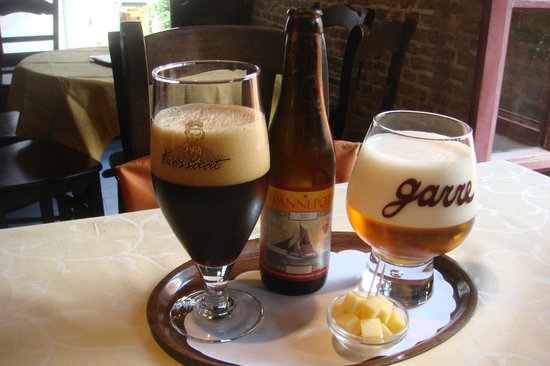
Recommendation: The beer to drink here is Tripel de Garre brewed by Brouwerij Van Steenberge and only available here.  Always served with a few cubes of young gouda cheese – it is a delightfully tasty and deceivingly strong (11.5%) tripel style beer.

Details:  AddressDe Garre 1 8000 Brugge  Contactinfo@degarre.be Hours:  Noon to midnight daily (longer on weekends).


OneLife Tours offers the industry’s best in organized small-group tours of Europe, as well as amazing custom tour itineraries.  Two of our signature tours, the Grand Tour of Europe and the Ultimate Beer Tour, spend quality time in Bruges – join us at some of the above-mentioned cafés!

[author] [author_image timthumb=’on’]https://pbs.twimg.com/profile_images/506116251454697472/4blfsXiS.jpeg[/author_image] [author_info]This blog happily shared with you by Craig Bresett (while drinking Belgian beer, let it be known) – owner and chief tour director at OneLife Tours.  Contact Craig anytime:  craig@onelifetours.ca[/author_info] [/author]

Top 5 Florence Places to Eat Amazing Food, Feel Like A Local—All for 5Euros or Less!

Florence is on everyone’s must-visit list in Italy and is full of fabulous art, shopping, and yes—food. 

Over at Walkingfarfromhome.com they’ve researched five tasty and inexpensive bites to try while in Florence—perfect for a quick break from one of Florence’s many world-class museums and sites—or as a chance to savor a bit of the local way of life. 

Here’s my 5 Favorite places in Florence, all of which hit the sweet, delicious intersection of price, taste, and local ambience.


1. Gelateria Santa Trinita. There will always be a fierce debate regarding Florence’s best gelato,  but in my mind there’s a clear winner. What’s more, this place is reasonably priced despite its prime location. Go and agonize over the best flavor combo (you’ll be back), then walk over and grab a seat on the bridge. Settle in and watch the sunset over the river while the street performers do their thing.

Piazza dè Frescobaldi, 11-12r
50125 Firenze, Italy

2. Gusta Pizza. I ate this pizza five times in six days. It’s quick, tasty, and cheap, (5 Euros for a whole pizza of mozzarella, tomato sauce, and fresh basil). Take it and go and sit on the church steps in Piazza Santo Spirito along with the other cool kids who make this place their hangout most every night when the air is warm. Don’t miss it—the pizza or the chance to soak up one of Florence’s quintessential public spaces.

Via Maggio, 46r
50125 Firenze, Italy 

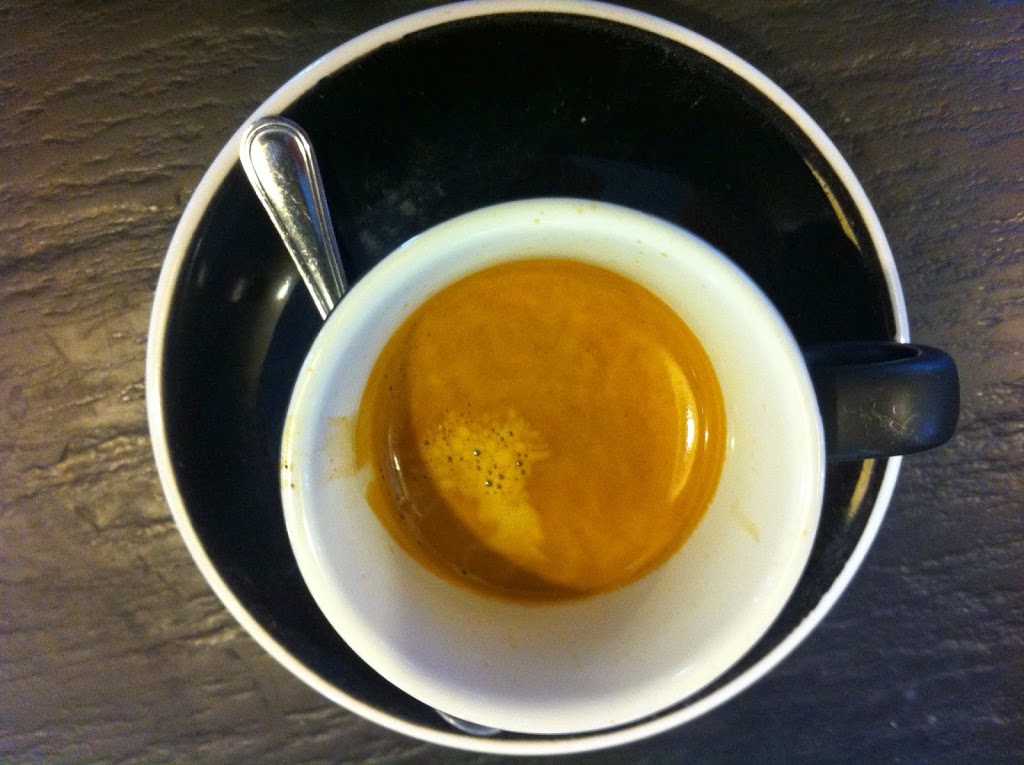
3. Caffé Scudieri. Perhaps the best espresso drinks I found in Florence. The location too is unbeatable (facing the Duomo). Despite its elegant old-school vibe it’s not expensive if you stand at the bar (instead of sitting). Also be sure to try some of their amazing little pastries and candies. The trick to ordering here is to first pay for your coffee at the litte corner register and then take your receipt to the barista.

Piazza di San Giovanni, 19 
50129 Firenze, Italy

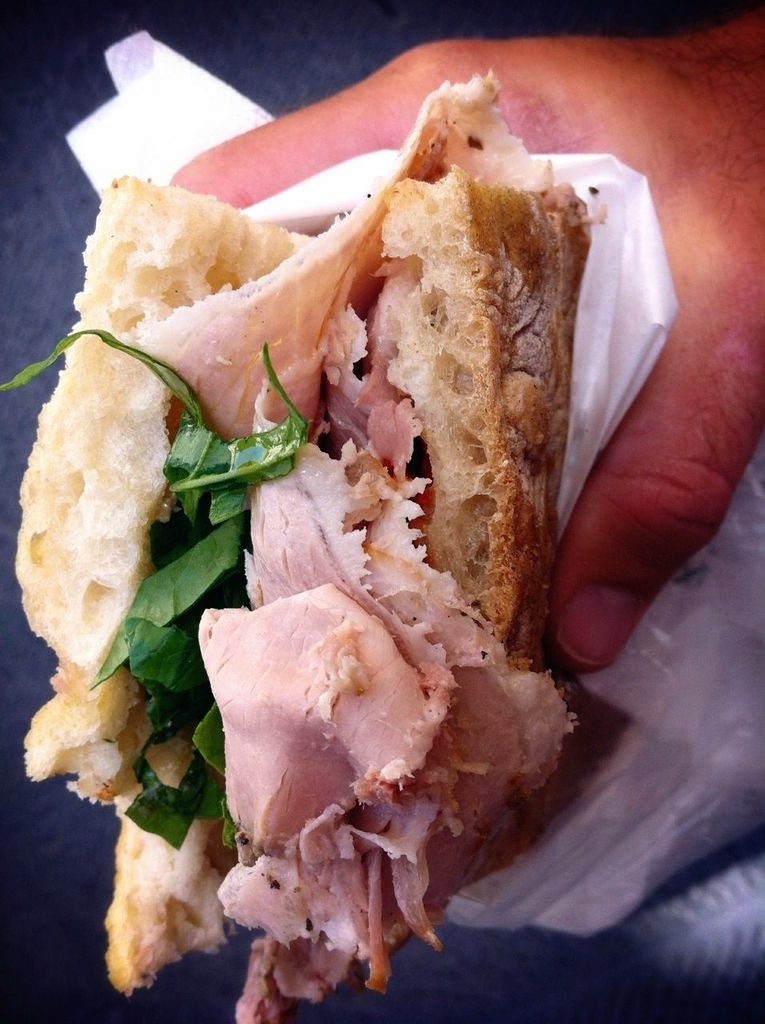
4. All’Antico Vinaio. Their porchetta sandwhich was truly one of the best sandwiches of my life. Period. All sandwiches are on foccacia. It’s also cheap (5 Euro!) and just one or two minutes from the Uffizi area! I beg you, don’t come to Florence and miss this sandwich.

 Via dei Neri, 74
 Firenze, Italy


5. Biblioteca delle Oblate. A bit of a hidden gem: go into the courtyard, through the library, and up to the roof where there’s a decidedly student and non-touristy vibe with a rooftop view of the Duomo. Coffee is respectable—nothing extraordinary—but worth it for the view and the feeling that you just might pass as a local.

Via dell’Oriuolo, 26, 50122 
Firenze, Italy