Archive for category: Belgium

Five Traditional Christmas Foods of Europe

1.  Vánoční Rybí Polévka (Czech Christmas Fish Soup) – Czech Republic
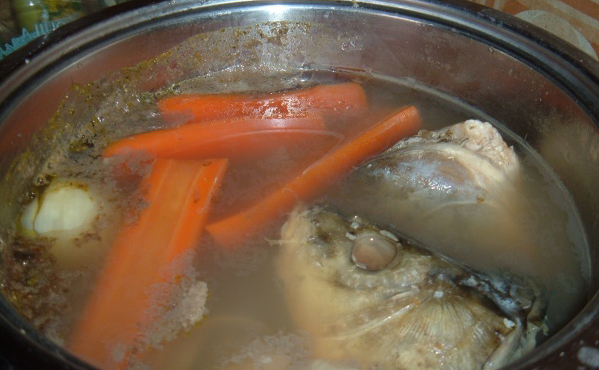
Harking back to a simpler time when meat was a luxury to most Europeans, the tradition of eating carp (a freshwater fish) for a treat at Christmas has remained strong in the Czech republic.  None of the fish was wasted – most recipes for this soup call for the head and viscera to be boiled to make the stock.  Even today the mayor of Prague doles out this soup to the needy on the Old Town Square on Christmas Eve.
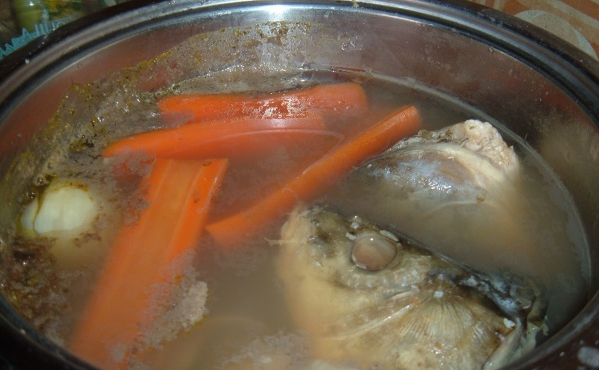
First the stock is prepared for vánoční rybí polévka

2. Les Treize Desserts (The Thirteen Desserts) – France
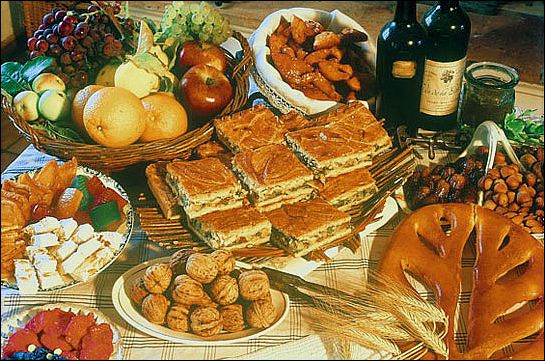
Here’s one for the kids (and those of us adults with a sweet tooth).  In the Provence region of France,  Christmas Eve is epic meal time, or Le Gros Souper.  The table is set with three candles (representing the trinity) and a large dinner of fish, vegetables, bread and cheese is shared.  The thirteen desserts (representing the number of diners at the Last Supper) are then laid out to finish the feast.  The desserts consist of various fresh and dried fruits, nuts, nougats, cakes, and sweet wine.  After all that, everyone heads to the local church to try to stay awake through Midnight Mass!
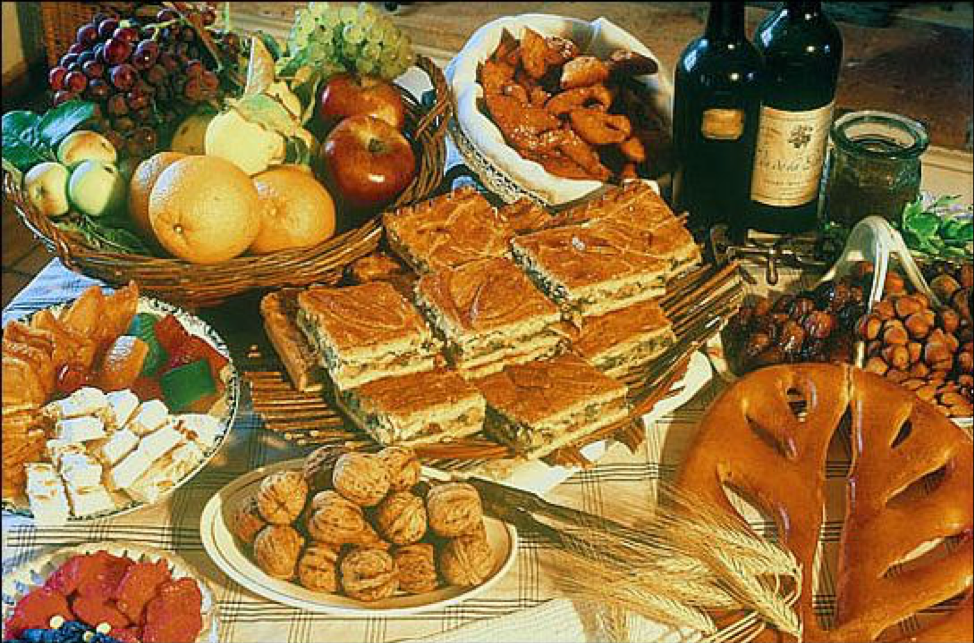
Les Treize Desserts

3. Pandoro (The Golden Bread) – Italy
This Italian sweet bread, traditionally from Verona, is a favourite at Christmas.  By its appearance you would think it is a cake, but it is in fact a leavened yeast bread, sweetened with sugar or honey, and dusted with icing sugar (some say to resemble the Dolomite peaks just north of Verona).  Pandoro is typically served with a side of whipped cream, or even better, vanilla gelato, and a strong Italian espresso.  Yum.
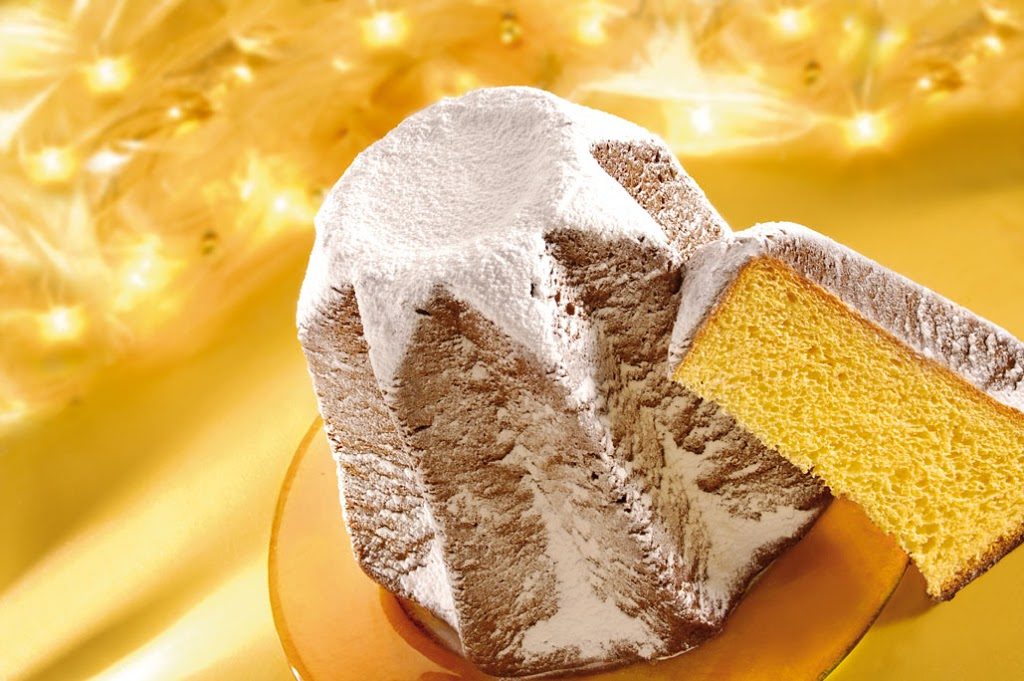
Pandoro gets its golden colour from the egg yolks used in the simple recipe

4. Lutefisk (Lye Fish) – Norway
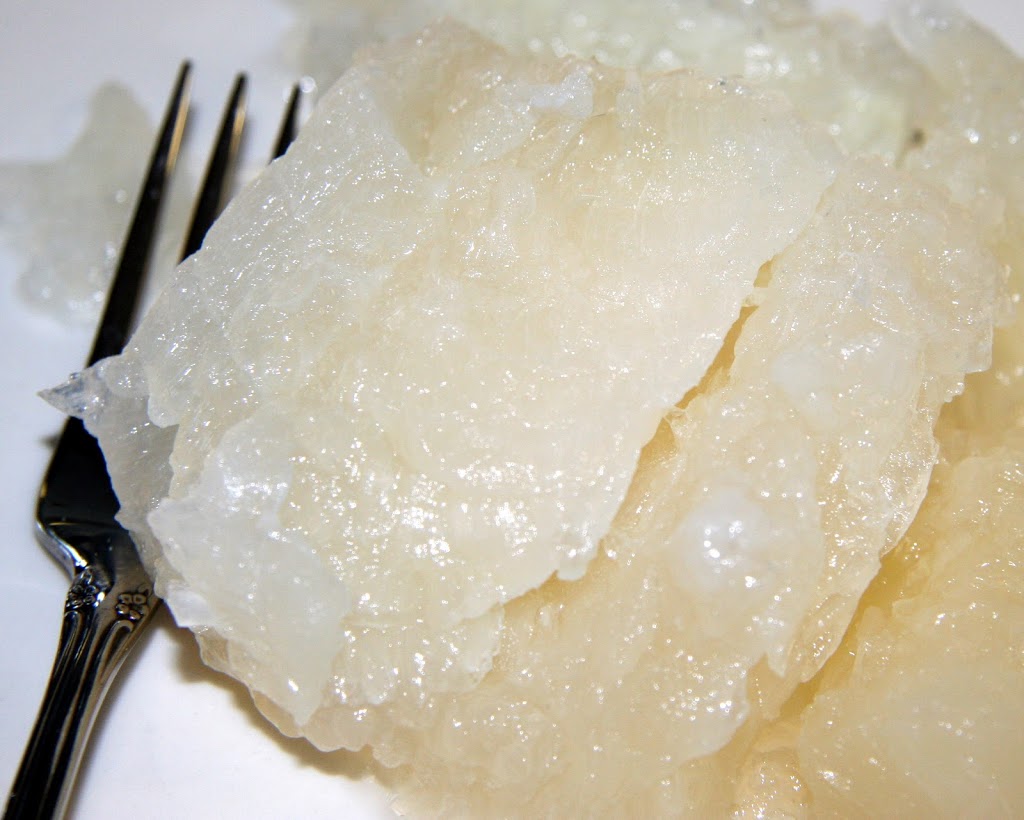
It is hard for a non-Scandinavian to understand the appeal of this dish… however it remains very popular at Christmas throughout the Nordic countries, especially Norway.  Dried cod is soaked in a solution of water and lye for a number of days, which changes the texture of the fish, making it more like a fish “jello” (jellyfish?).  At this point, the fish is inedible because of the lye, so it has to be rinsed in clean water for several days to remove most of the lye.  Then it is ready to be baked or parboiled, and served in all of its odoriferous, gelatinous glory.
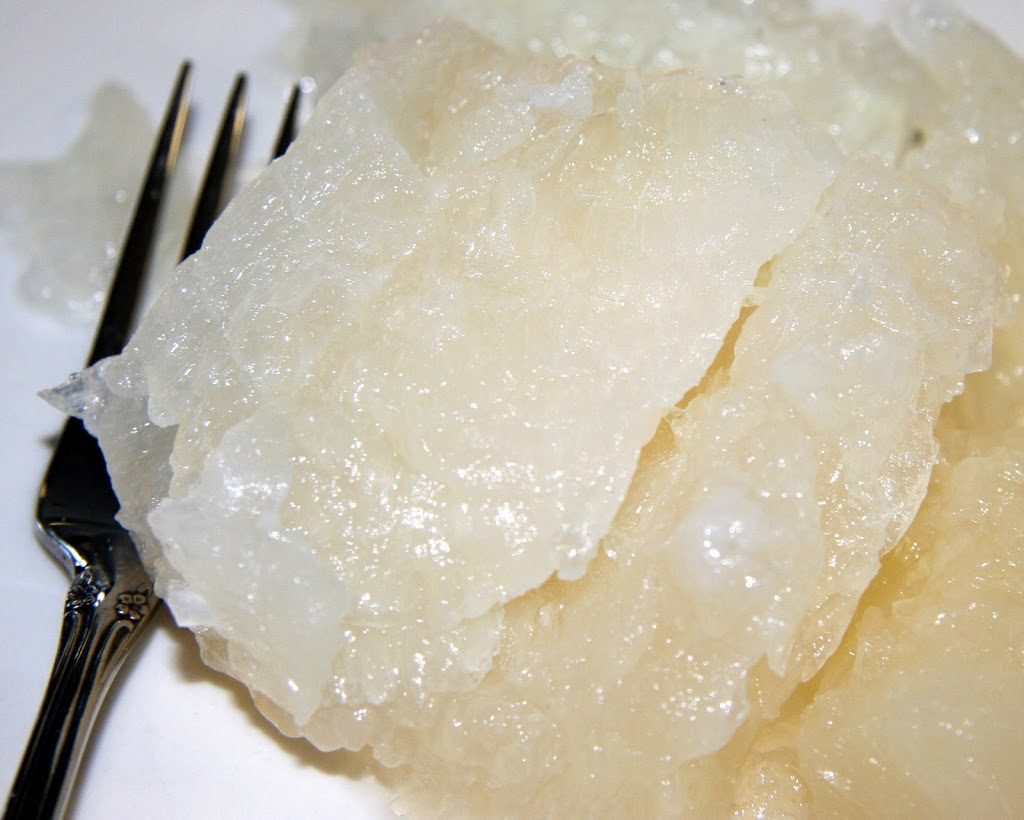
Lutefisk: Just tell the kids it’s jello

5.  Cougnou  (Baby Jesus Bread) – Belgium
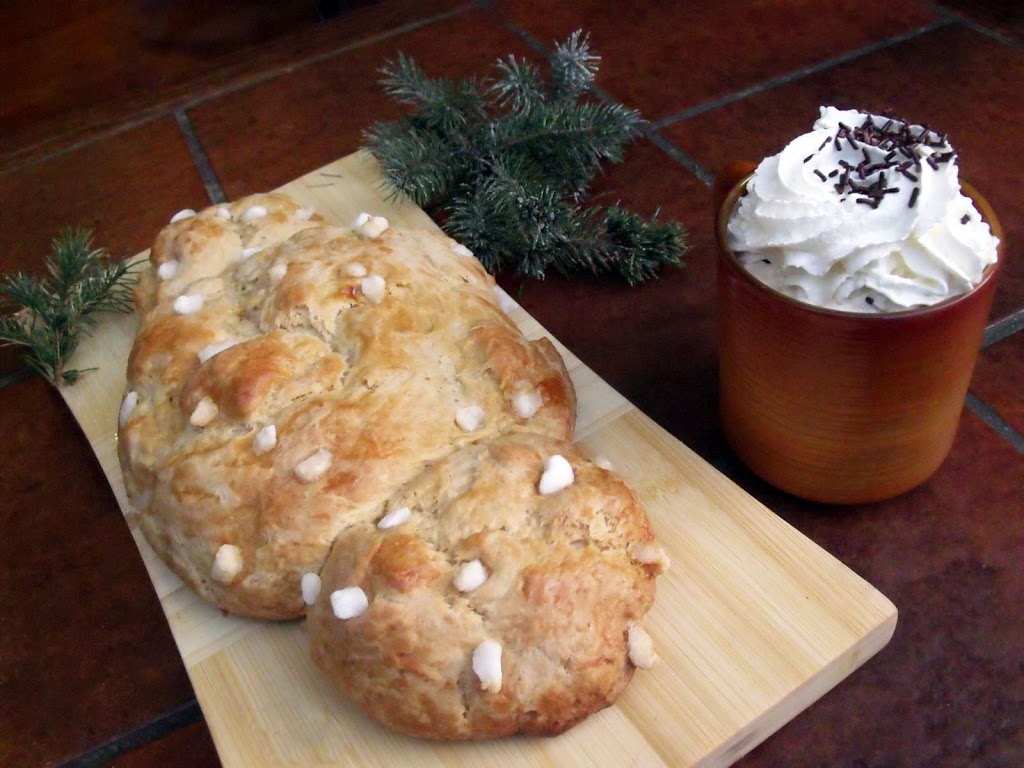
This sweetened yeast bread, dotted with coarse granules of sugar, is made in the shape of “the babe wrapped in swaddling clothes” (Luke 2:12).  A children’s favourite at Christmas, it is usually served with another Belgian specialty – real hot chocolate.
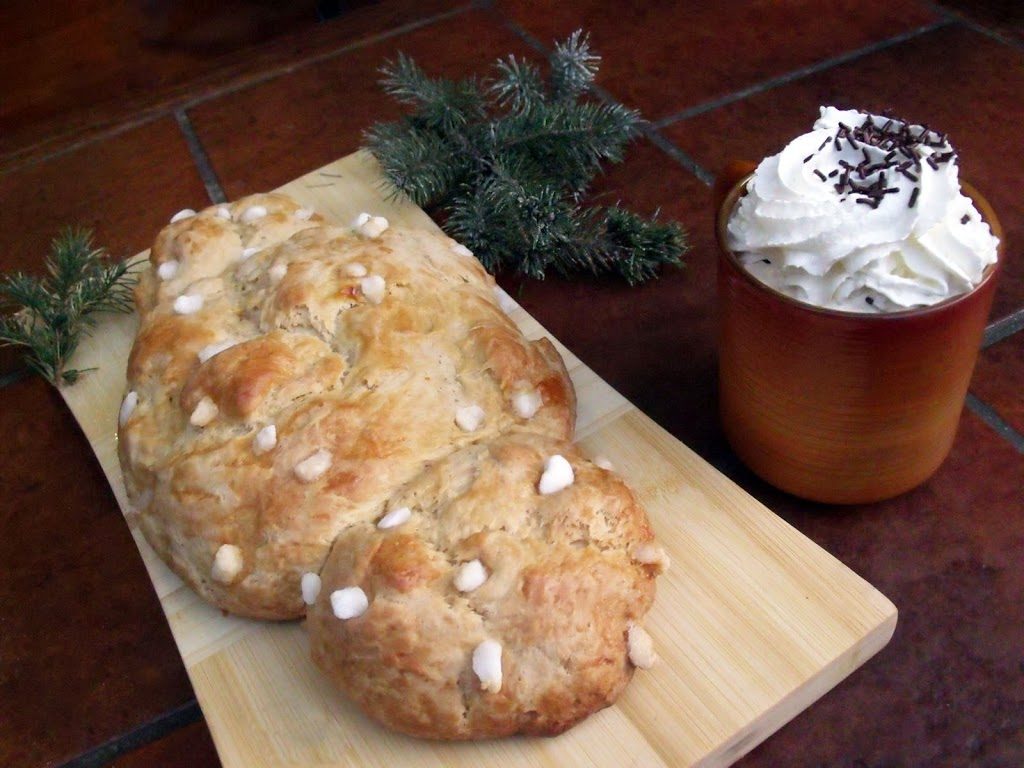
This looks so good, I’m going to try to make it myself.

Europe – home to so many different culinary traditions.  Isn’t it time you made the trek?  Join one of our specialized tours of Europe and enjoy regional cuisine at its finest.  Go to Eat and Drink Like a European for details.
Don't order French Fries in Belgium!


Frites – the national dish of Belgium

Dating back to the 1600’s, people in the French speaking region of Belgium (Wallonia) experienced a shortage of river fish that they would usually catch and fry up in the winter.  Someone got the idea to cut potatoes, a recent import from South America, into small slivers, shaped somewhat like the little fish, and fry them up instead.  And voilà, the frite was born.  It was American servicemen helping to liberate Belgium in WWI who wrongly gave them the name “French fries”, presumably because the people in Wallonia spoke French.  Belgium recently applied to UNESCO to give their frites world heritage status, so, yeah, they take them pretty seriously.  Please don’t ask a Belgian waiter for French fries, unless you would like this history lesson repeated each time you do!

Proper frites are never frozen (sorry McDonald’s et. al) and should not be too skinny or too thick (about 1 cm square if you want to get technical).  They are fried twice – once at 150° C and then again at 175 ° C. The result is a golden fry that is crispy on the outside  and soft inside.  They are properly served with a dollop of mayonnaise, although the creative Belgians have come up with all sorts of interesting dipping sauces.  My favourite is pepper sauce and spicy relish.  OK, I’m so hungry right now…

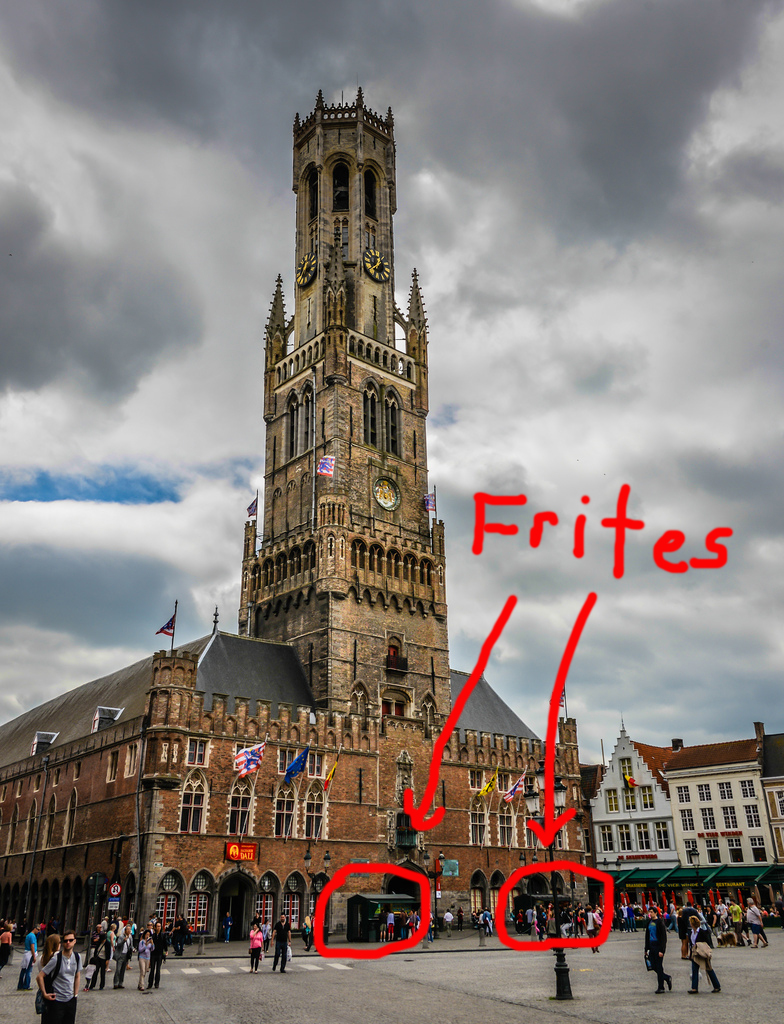
You can get good frites at pretty much any decent restaurant in Belgium.  In Bruges, I like to get them from one of the two historic frituur at the base of the towering Belfort on Market Square.  Just look for the little green structures.  They are generally open 10:00 to 24:00, but sometimes later on the weekends.  Cheap – just a few euros for a small (which is plenty for one person).  And if you really don’t want mayo or one of the other unique sauces with your fries, you can ask for ketchup.  They won’t laugh at you.

9489729424_ce92fe33c9_b

OneLife Tours is dedicated to the absolute best in European travel experiences for our small groups.  If you want your travel in Europe to be authentic and focussed on being a “temporary local” then we’re your company!

[author] [author_image timthumb=’on’]https://pbs.twimg.com/profile_images/506116251454697472/4blfsXiS.jpeg[/author_image] [author_info]This blog happily shared with you by Craig Bresett (about to go search for potatoes in the pantry) – owner and chief tour director at OneLife Tours. Contact Craig anytime: craig@onelifetours.ca[/author_info] [/author]

Biking in the Low Countries

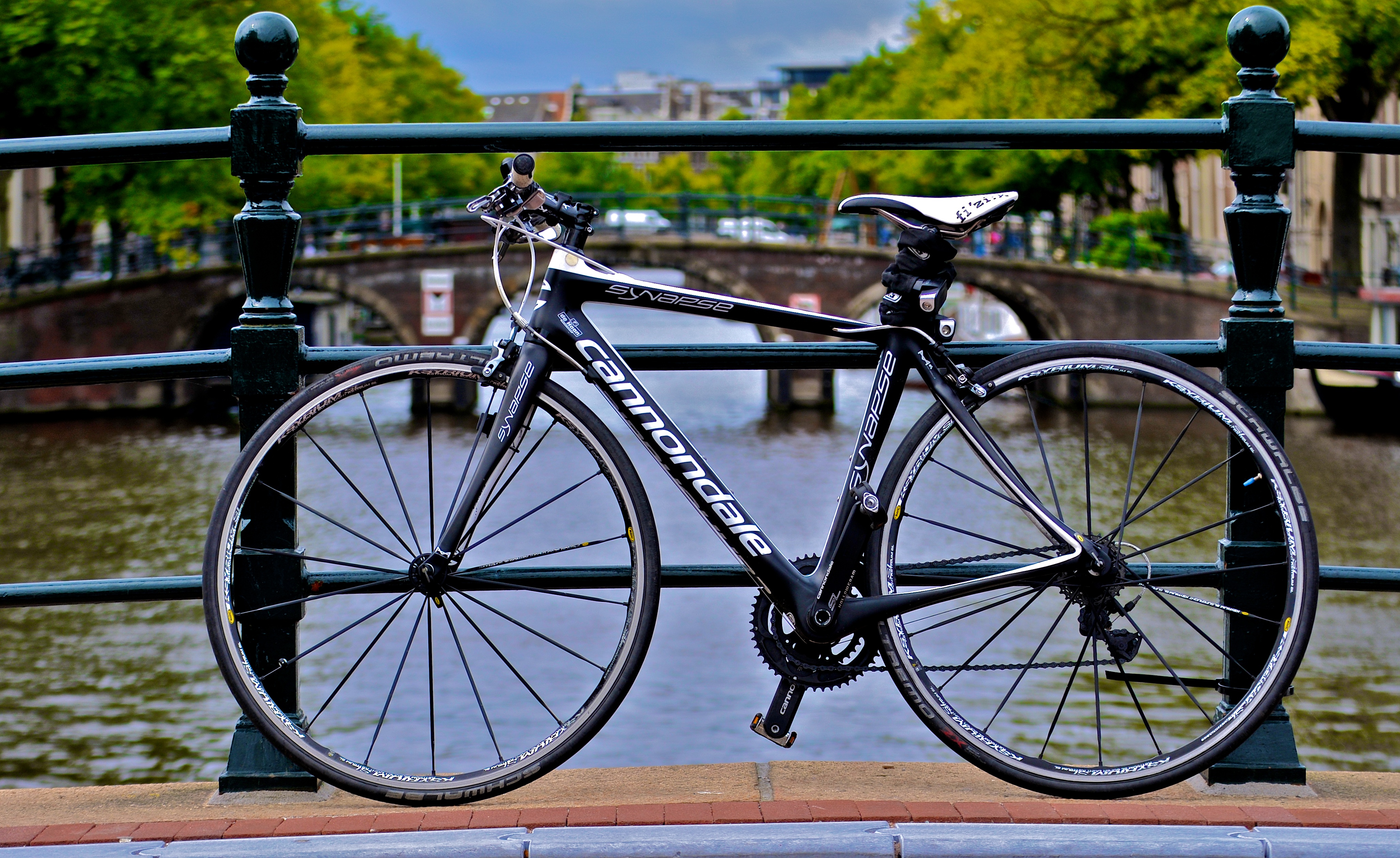
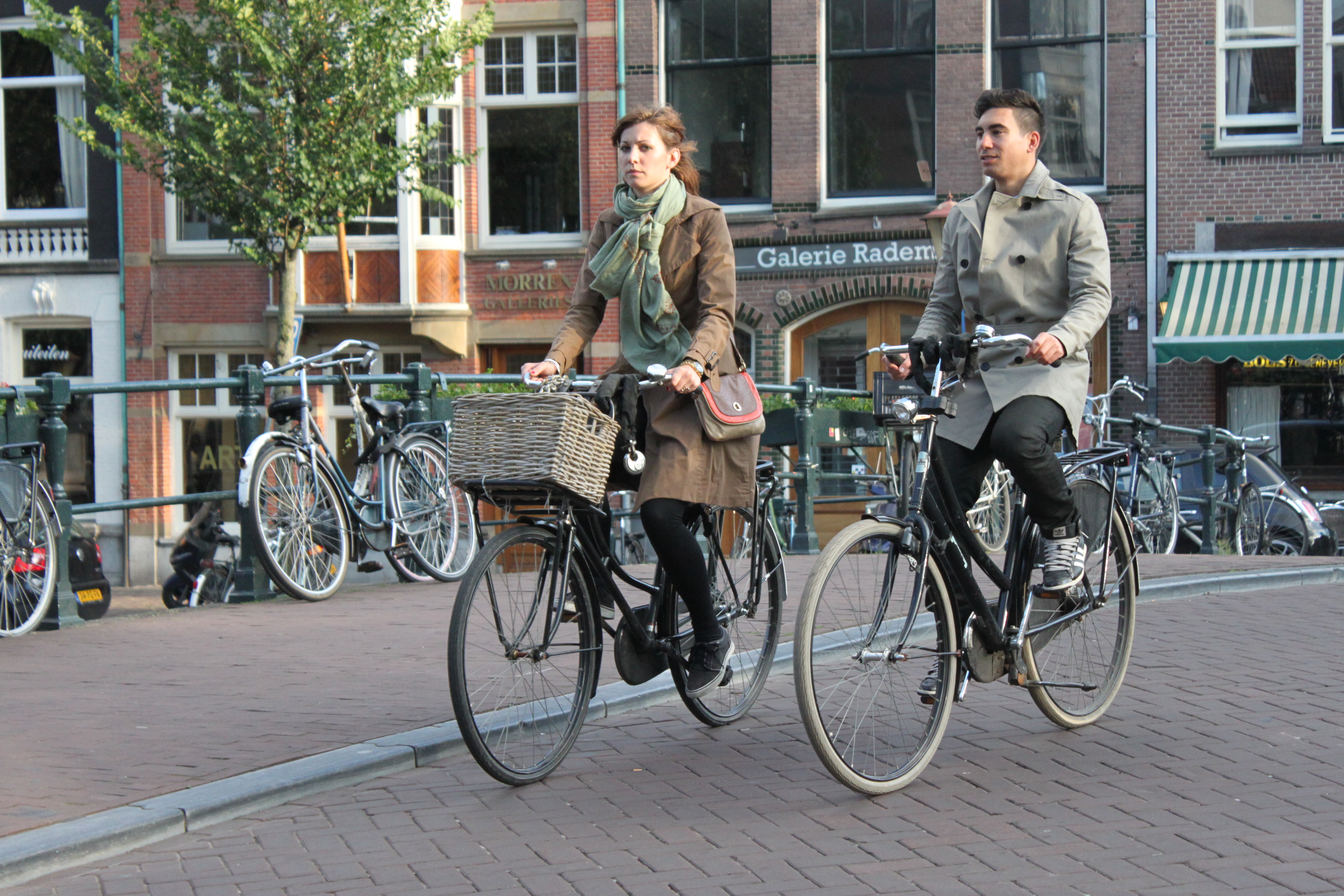
They don’t call Belgium and the Netherlands the “low” countries for nothing.  The “nether” in “Netherlands” actually means “lower”. With most of the land at or below sea level, and nary a hill in sight, you shouldn’t be surprised that in some regions of the Netherlands and Belgium, there are more bicycles than people per capita (some people own 2 bikes – a city “beater” and a fancy road bike for the weekends)!  In Amsterdam alone, 60% of all trips are made by bicycle.  Everyone uses this mode of transport – bankers, students, delivery people, priests, politicians, police – it’s really a way of life.  On one of my tours in Bruges, Belgium, the group had some free time and I asked my Dutch bus driver if he wanted to rent a bike with me and ride out into the countryside.  He took it as a bit of a challenge, asking “You can think you can keep up with an old Dutchman on a bicycle?”  I did OK.

I’ve always advocated doing as the locals do when traveling – it’s part of the OneLife Tours philosophy.  So the next time you’re in the Low Countries, rent yourself a bike and see how easy it is to navigate around town or take a little side trip out into the country.

Here is some practical advice for renting bikes in my favourite cities in this region:  Amsterdam, Brussels, and Bruges.  Note that pretty much any town will have bicycle rentals available – just ask your hotel or B&B for advice (sometimes hotels even have free loaner bikes for their guests – very convenient!)

Amsterdam

DSC_8805 - Version 2-1 Rental shops abound in Amsterdam, but here are two that are very central with helpful staff and reasonable rates:

Frederic Rent-a-Bike:  Very close to Central Station, with a good selection of well-maintained, comfortable rental bikes.  Hours:  daily 9:00 to 17:30 / Brouwerscgracht 78 / tel. 020-624-5509

MacBike: Huge rental stock, located right at Central Station (with a couple of smaller shops further out from the centre).  You can get information here about different options for self-img_5796guided bike tours in town or in the countryside for €1.  Hours: daily 9:00 to 17:45 /AH Stationsplein 5 / tel. 020-624-8391

RentaBike: Great selection, with tandems, kids’ bikes, mountain bikes, or the popular “granny” bikes! Hours: daily 9:00 to 18:00 /Damstraat 20-22 / tel. 020-624-5029

Brussels

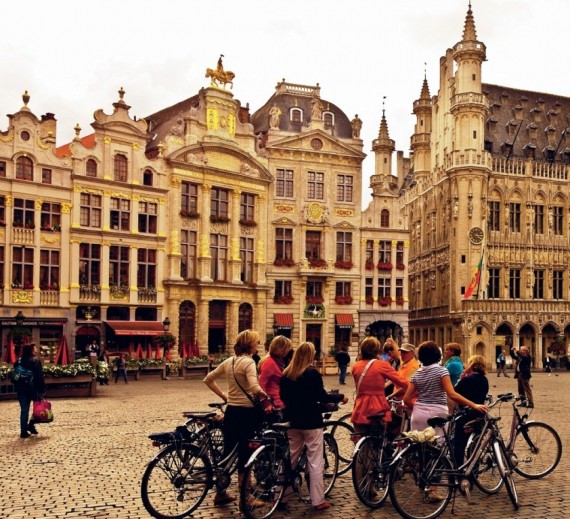
bike_sm-570x519Brussels has a few more “hills” than Amsterdam or Bruges, so you are liable to see a wider selection of gears on your typical rental bikes here.  It is also the least bike-friendly of the three cities listed here – though there are lots of bikes, and riding is generally safe, just beware that you are more likely to be riding beside city traffic without your own dedicated bike lane in Brussels.  If you’re OK with that, a bike is a great way to get around the city.

ProVelo: ProVelo was established in 1992 to promote all things bicycle in the European capital.  They have a good selection of different bikes for riders of all ages and abilities, and just love supporting the use of bicycles by locals and tourists alike.  Hours: Mon. > Fri. : 10:00 > 13:30 | 14:00 > 18:00; Sat. > Sun. + statutory holidays : 10:00 > 18:00 / Londonstraat 15 / tel. 02 502 73 55

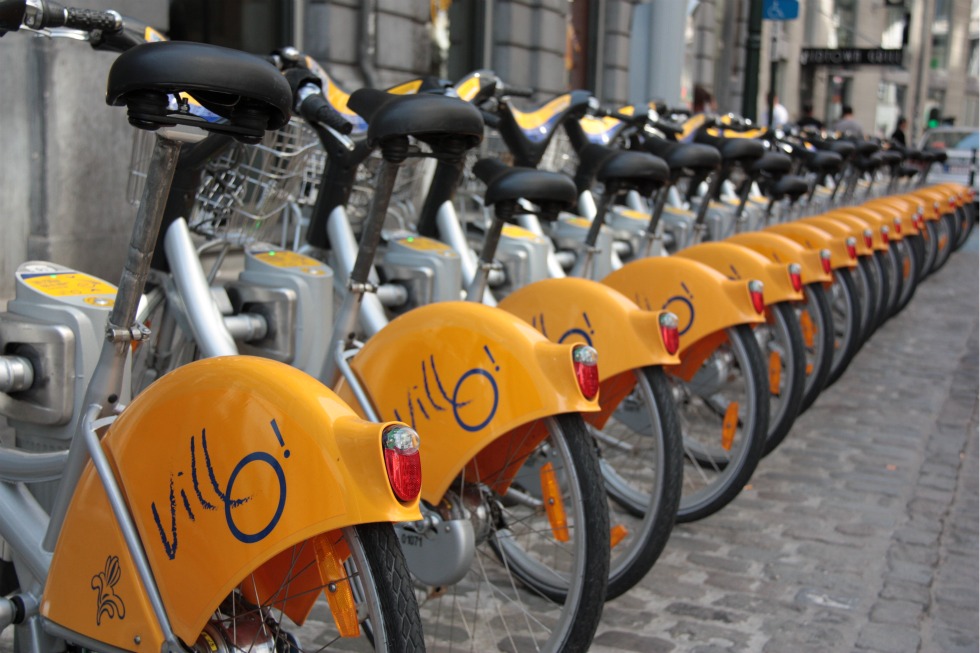
villo2Villo: Not a traditional bicycle rental shop – Villo is a citywide bike hire system with stands all over the city approximately 500 metres apart.  These bikes are heavy steel frame bikes meant to stand up to heavy usage. To use this system as a visitor, you must purchase a 1 day guest pass with your credit card, then use it to sign out bicycles at any of the stands.  Ask a local for help if you are having trouble with the machine – but instructions are in English, so give it a try! Just look for the yellow “Villo” fenders as you walk the streets, or use this online map to find one close to you.

Bruges

nun-on-a-bicycle-in-bruges-joan-carrollAhhh… Bruges.  My favourite destination in the Low Countries – a medieval timewarp, with absolutely flat streets emanating out from the central market square to some beautiful countryside.  Rent a bike and just use it to get around town, or take it out past the windmills on the edge of town and ride to the little villages of Dam or Lissewege.  Insider info:  Hotel Adornes has free bikes for guests staying with them!  Take your bike with you in the morning – stay out as long as you like!

Koffieboontje Bike Rental: Literally right beside the bell tower on Market Square, this bike tumblr_npiy3pkzHn1qz78uyo1_1280rental is located right in the lobby of the Hotel Koffieboontje.  Just go up to reception and tell them you are interested in renting a bike (you’ll see the bikes right outside) and they’ll issue you a ticket that you bring to the bikeman who will emerge from some steep stairs outside the lobby.  He’ll let you test out your bike until you find one you like, and then you’re off!   Hours:  daily, 10 AM to 10 PM / Hallestraat 4  / tel. 32 50 33 80 27

Bicycles Popelier: Oxford brand bicycles that are replaced every 6 months – they really take pride in their rental stock at Popelier.  They have even started renting out electric bikes if you want some power-assist!   Hours: vary – but opens daily at 10 AM. / Mariastraat 26 / tel. 32-50-343262


OneLife Tours is dedicated to the absolute best in European travel experiences for our small groups.  If you want your travel in Europe to be authentic and focussed on being a “temporary local” then we’re your company!

[author] [author_image timthumb=’on’]https://pbs.twimg.com/profile_images/506116251454697472/4blfsXiS.jpeg[/author_image] [author_info]This blog happily shared with you by Craig Bresett (just back from a bike ride) – owner and chief tour director at OneLife Tours. Contact Craig anytime: craig@onelifetours.ca[/author_info] [/author]

Belgian Café Culture

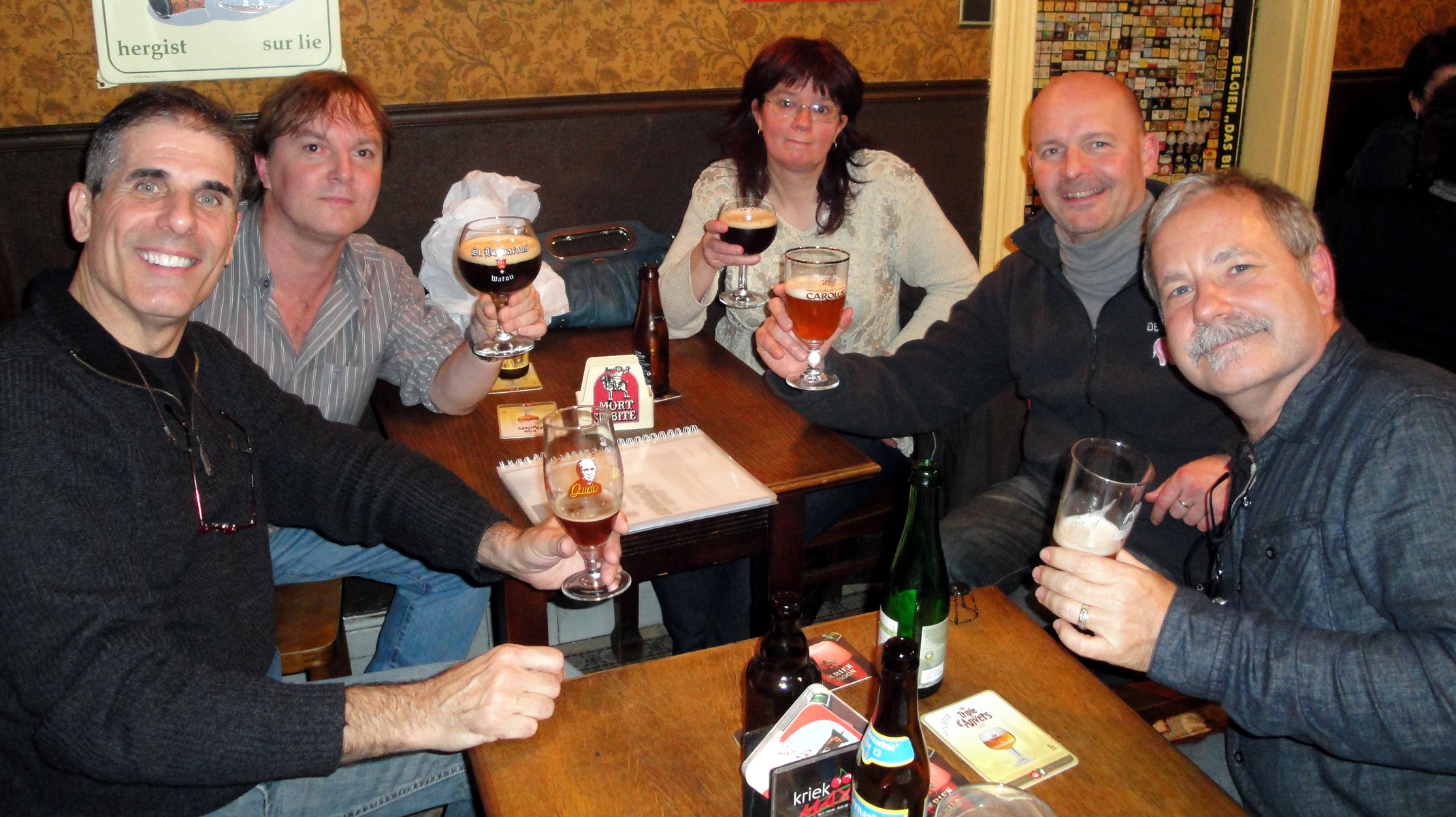
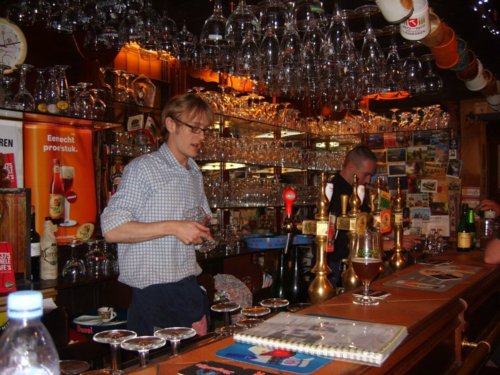
When you think of café culture, Paris or Vienna probably come to mind.  But Belgium has a café culture all its own – and guess what?  Coffee isn’t even on the menu.  Head into À la Mort Subite in Brussels – the grand-daddy of all Belgian cafés, and you will be greatly impressed by the extensive selection of Belgium’s national drink:  beer.  Enjoy getting recommendations from the sometimes surly but always suave waiters – just don’t ask for a Bud Lite.  The slightly-sticky but classy art-deco surroundings will transport you back to a time when “Bud” didn’t even exist – you can imagine generations of gentlemen in top hats and ties sipping delicious monk-brewed tripels and dubbels after a long day at the office.   Perhaps it’s all those years of imbibing that have led to the aforementioned stickiness.

8688131474_c2f0db386ea_la_mort_subite_12

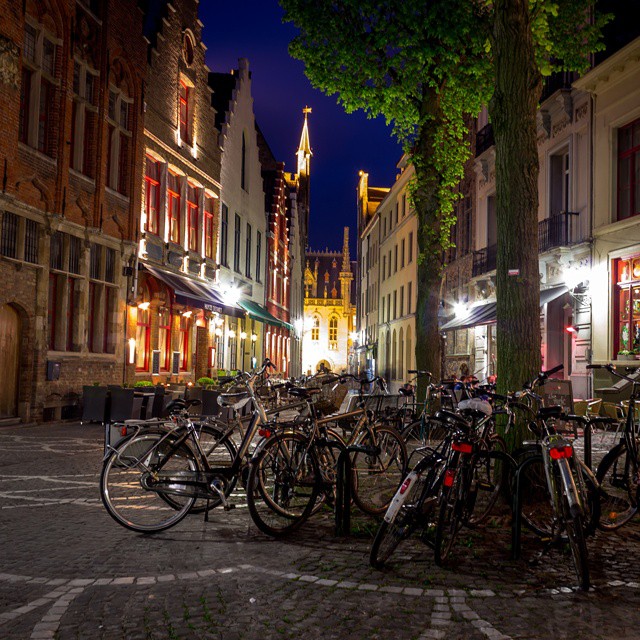
Though I enjoy the big name must-sees, my favourite Belgian cafés are a little more out of the way, a little more hole-in-the-wall than the famous À la Mort Subite.  I think no other town has a better selection of such watering holes than Bruges – a town seemingly plucked from the middle ages and transported through time for us to enjoy today.  I’ve got many favourites here, but I’m only going to list my top three.


Café Rose Red

rose_red_01 rosered01 cafe-rose-red

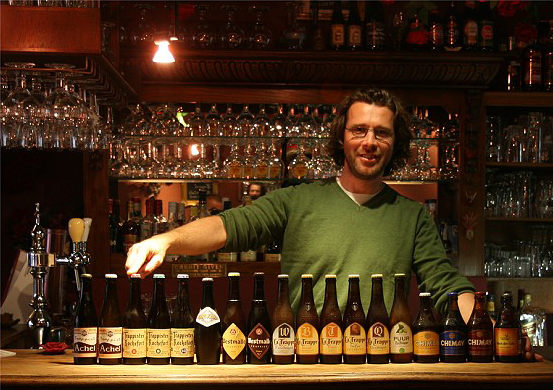
It takes some balls to actually put a price on your menu – for the menu itself!  If you want, you can actually buy the menu for €10 as a keepsake from a night you probably will only remember the start of.  Café Rose Red is owned by friendly Kris (who also operates the Hotel Cordoeanier, which, conveniently, is in the same building!) and managed by super-beer-knowledgeable Giles.  At Café Rose Red you can expect a quiet, beer-focussed evening, with some tapas if you wish, and lots of great conversation, even if you come alone.  This is my favourite place for a drink in the entire country of Belgium.

Slogan:  “Trappist beer …. taste the silence”

Recommendation:  If you can’t get out to the abbey of Sint-Sixtusabdij Westvleteren, this might be the place you can actually “taste the silence” and enjoy the most exclusive beer in the world.  Available when they can get it…  If they’re out, ask for a recommendation for another monk-brewed Trappist beer.

Details:  AddressCordoeaniersstraat 16, 8000 Bruges, Belgium  Contact:  +32 50 33 90 51 info@cordoeanier.be  Hours:  11 AM to 12 PM daily


Café ‘t Brugs Beertje

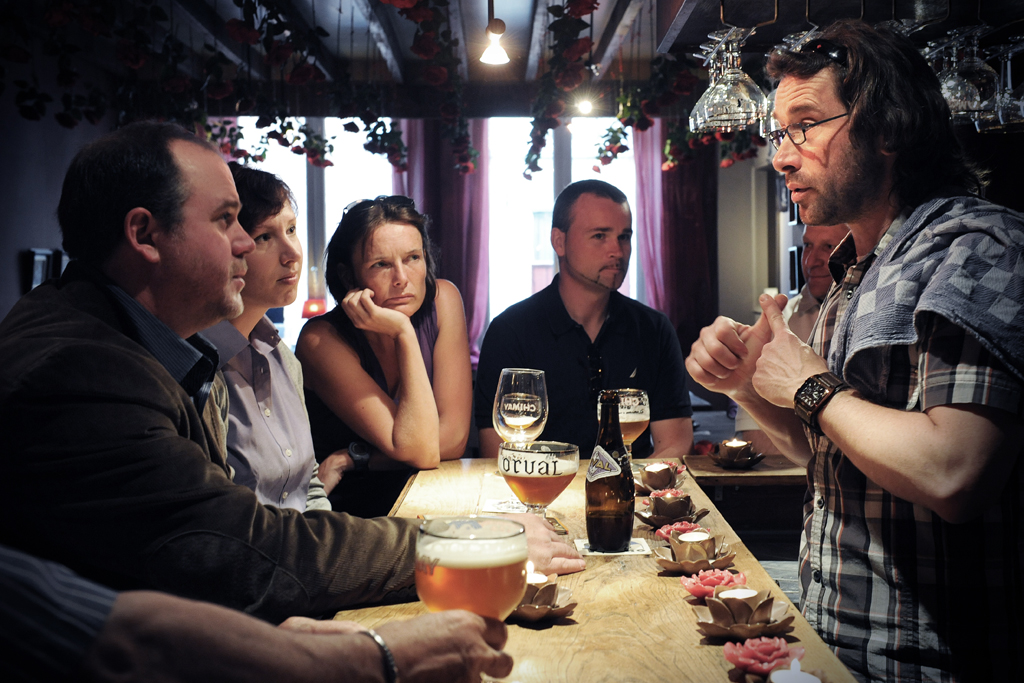
Tom, Laura, and company will keep you fully informed and fully, well, filled, with amazing Belgian beer from a selection that has a ridiculous amount of beers on it.  When they hand you the menu, it is as if they have given you some pre-internet encyclopedia, and in many ways, their menu is an encyclopedia of the great beers of Belgium, categorized by the various regions of this small country.  If you’re looking for a night to spend with that someone special, cozy up at one of the small tables.  If you want to meet new friends (Belgian or otherwise), sidle up to the bar – it’s the most happening place in town for those in the know.

friends-sharing-a-few-beers-at-e28098t-brugs-beertje tumblr_lxwbs19zbe1r3pjei e28098t-brugs-beertje

Slogan:  “The Brugs Beertje is not just a pub, but a worthy tasting house where the real beer spirit is enjoyed by the local and foreign guests.”

Recommendation:  That’s hard with such a huge selection.  I like to ask for the Duvel Triple Hop from various years (they change it up every year and the Bruges Bear usually has some old stock) and do a little taste comparison.  If not available, just ask Tom, or Laura, or whoever happens to be behind the bar that night, what they recommend.  They are the wizards of beer!

Details:  Address: Kemelstraat 5, 8000 Bruges, Belgium  Contact+32 50 33 96 16  info@brugsbeertje.be Hours:  4 PM to 12 AM daily (or later, contact for exact times)

Staminee de Garre

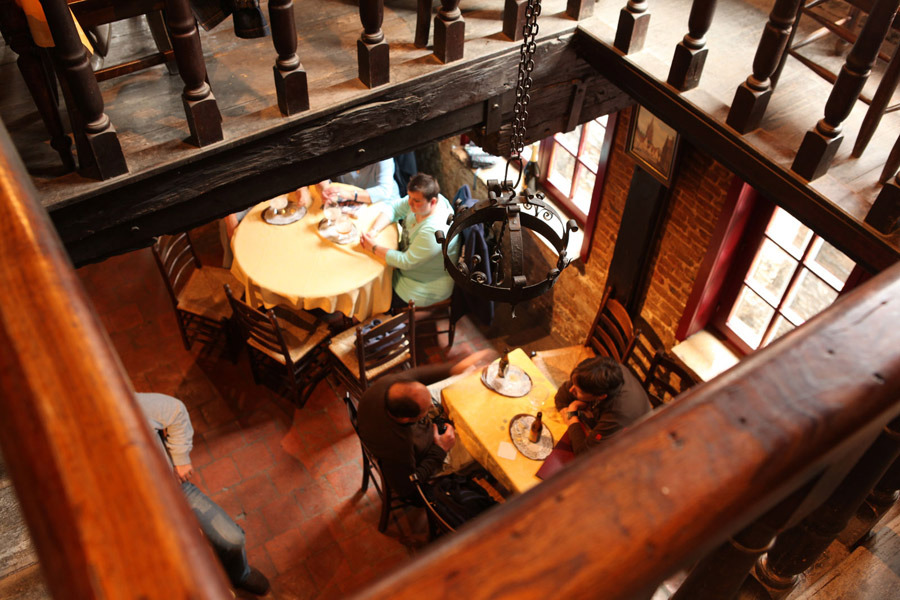
Good luck trying to find this place.  But if you are lucky enough to make your way down Bruges’ shortest street, you will enter this tiny den of Flemish quaintness.  Tables all full on the main floor?  Just squeeze up the little staircase and sit at one of the barrels (!?) near the upstairs bar – you get a great view over the downstairs mayhem, and the bartender is close at hand.  With a fine beer and food menu, and some excellent, ever-changing cask ales (not common in Belgium)  some Bruges residents consider this place their own little secret, but don’t worry about that – the bar staff is happy to serve whoever finds their way down their hidden little street.


honeymoonbeers-057staminee-de-garre 20

Slogan:  “Ode to the Tripel van der Garre” – a poem praising the house beer, at the start of every menu, which I won’t even try to translate from Flemish to English.  Enough said that a beer is good enough to inspire poetry…

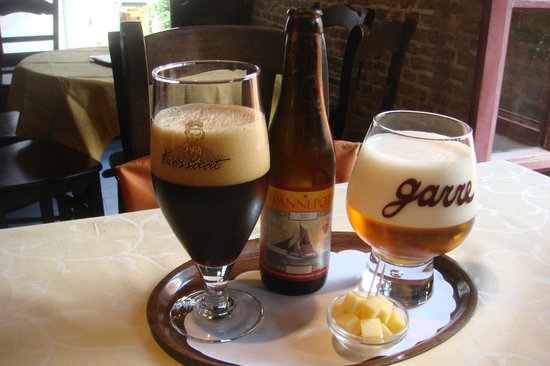
Recommendation: The beer to drink here is Tripel de Garre brewed by Brouwerij Van Steenberge and only available here.  Always served with a few cubes of young gouda cheese – it is a delightfully tasty and deceivingly strong (11.5%) tripel style beer.

Details:  AddressDe Garre 1 8000 Brugge  Contactinfo@degarre.be Hours:  Noon to midnight daily (longer on weekends).


OneLife Tours offers the industry’s best in organized small-group tours of Europe, as well as amazing custom tour itineraries.  Two of our signature tours, the Grand Tour of Europe and the Ultimate Beer Tour, spend quality time in Bruges – join us at some of the above-mentioned cafés!

[author] [author_image timthumb=’on’]https://pbs.twimg.com/profile_images/506116251454697472/4blfsXiS.jpeg[/author_image] [author_info]This blog happily shared with you by Craig Bresett (while drinking Belgian beer, let it be known) – owner and chief tour director at OneLife Tours.  Contact Craig anytime:  craig@onelifetours.ca[/author_info] [/author]

"You don't even have a tan"

Upon return from one of my trips to Europe in 2012, a neighbour asked me, “So what do you do when you’re over there?  I mean, you don’t even have a tan.”
I actually did have some colour from hiking under the warm Italian sun in the Dolomites and along the Mediterranean coast.  And I even went swimming and spent some time on the beach while visiting the Cinque Terre.  But my goals in traveling to Europe are not related to acquiring a tan, and I had not put any conscious effort into deepening my pigmentation.
My neighbour has not been to Europe.  She has been to Mexico.  Multiple times.  I believe to the same resort.  And Hawaii.  And she, of course, comes back with a deep tan, as well as a sense of satisfaction and a relaxed demeanor.
I think when I come back from a trip, I definitely share that sense of satisfaction in time well spent, but I think my demeanor is usually one of excited anticipation – of sharing stories and photos (and beer and chocolate for the lucky ones) with friends and colleagues, and of, well, planning my next trip!
So when she asked me the question about what I do when I’m in Europe, she got a long and enthusiastic answer from this admittedly jet-lagged Europhile.  I talked about meeting new people, trying new Belgian brews, searching for a winery in the hills of Tuscany, walking lopsided out of the Leaning Tower of Pisa, cycling along canals past windmills, quiet moments of reflection in 800 year old cathedrals, being overwhelmed by the magnificent beauty of Botticelli’s Birth of Venus, eating the freshest most flavourful pesto anyone has ever had anywhere at any time in a little restaurant in a little village on the west coast of Italy… and on and on and on.
Her response: “Wow, you must come back from vacation more worn out than when you left!”
True, my “vacations” are not really relaxing.  And most of the time when I’m overseas, I’m actually working (to provide a stress-free vacation for the people who are traveling with me) not vacationing.  But I’m not tired out when I come back.  I’m energized and invigorated.  And I can’t wait to go again.

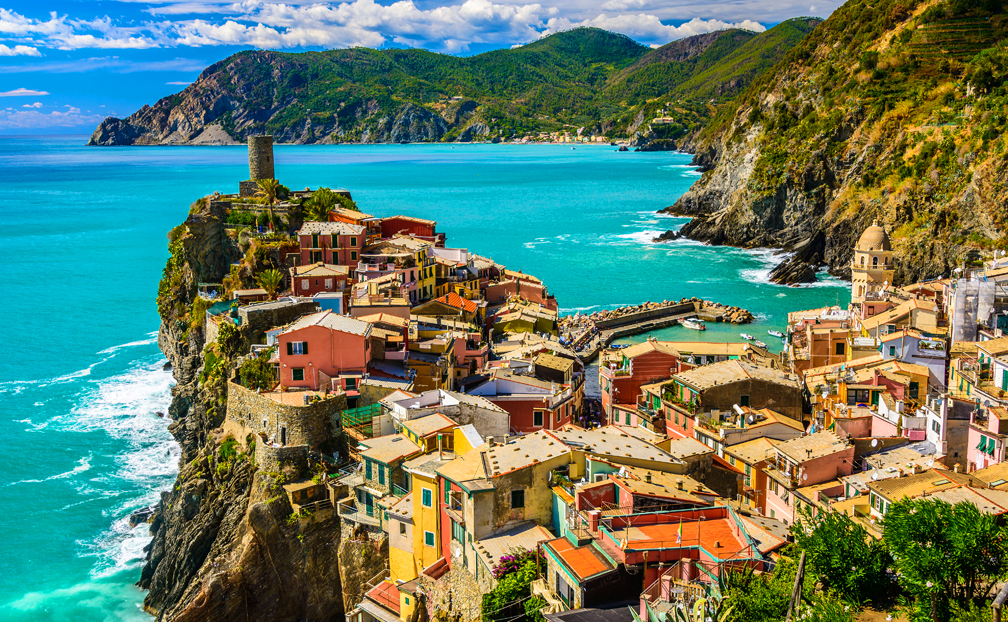
Have it all on your next vacation – Europe’s got history, art, architecture, food and drink, great people, and even a few beaches where you can work on your tan if that’s what you like!  This is Vernazza in the Cinque Terre region of Italy – part of the Grand Tour.

5 Traditional European Christmas Dishes You've Never Tried

1.  Vánoční Rybí Polévka (Czech Christmas Fish Soup) – Czech Republic
Harking back to a simpler time when meat was a luxury to most Europeans, the tradition of eating carp (a freshwater fish) for a treat at Christmas has remained strong in the Czech republic.  None of the fish was wasted – most recipes for this soup call for the head and viscera to be boiled to make the stock.  Even today the mayor of Prague doles out this soup to the needy on the Old Town Square on Christmas Eve.

First the stock is prepared for vánoční rybí polévka

2. Les Treize Desserts (The Thirteen Desserts) – France
Here’s one for the kids (and those of us adults with a sweet tooth).  In the Provence region of France,  Christmas Eve is epic meal time, or Le Gros Souper.  The table is set with three candles (representing the trinity) and a large dinner of fish, vegetables, bread and cheese is shared.  The thirteen desserts (representing the number of diners at the Last Supper) are then laid out to finish the feast.  The desserts consist of various fresh and dried fruits, nuts, nougats, cakes, and sweet wine.  After all that, everyone heads to the local church to try to stay awake through Midnight Mass!

Les Treize Desserts


3. Pandoro (The Golden Bread) – Italy
This Italian sweet bread, traditionally from Verona, is a favourite at Christmas.  By its appearance you would think it is a cake, but it is in fact a leavened yeast bread, sweetened with sugar or honey, and dusted with icing sugar (some say to resemble the Dolomite peaks just north of Verona).  Pandoro is typically served with a side of whipped cream, or even better, vanilla gelato, and a strong Italian espresso.  Yum.

Pandoro gets its golden colour from the egg yolks used in the simple recipe


4. Lutefisk (Lye Fish) – Norway
It is hard for a non-Scandinavian to understand the appeal of this dish… however it remains very popular at Christmas throughout the Nordic countries, especially Norway.  Dried cod is soaked in a solution of water and lye for a number of days, which changes the texture of the fish, making it more like a fish “jello” (jellyfish?).  At this point, the fish is inedible because of the lye, so it has to be rinsed in clean water for several days to remove most of the lye.  Then it is ready to be baked or parboiled, and served in all of its odoriferous, gelatinous glory.


Lutefisk: Just tell the kids it’s jello


5.  Cougnou  (Baby Jesus Bread) – Belgium
This sweetened yeast bread, dotted with coarse granules of sugar, is made in the shape of “the babe wrapped in swaddling clothes” (Luke 2:12).  A children’s favourite at Christmas, it is usually served with another Belgian specialty – real hot chocolate.

This looks so good, I’m going to try to make it myself.

Europe – home to so many different culinary traditions.  Isn’t it time you made the trek?  Join one of our specialized tours of Europe and enjoy regional cuisine at its finest.  Go to OneLife Tours for details.