Archive for category: food

Five Traditional Christmas Foods of Europe

1.  Vánoční Rybí Polévka (Czech Christmas Fish Soup) – Czech Republic
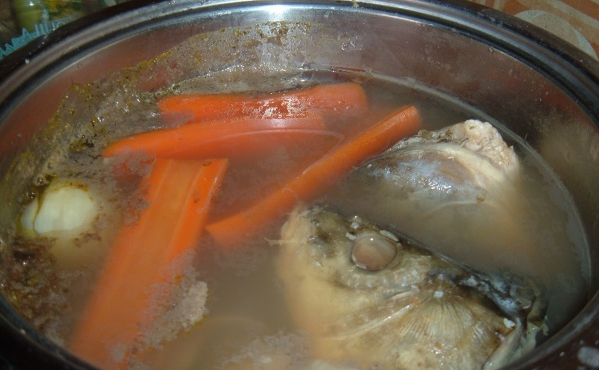
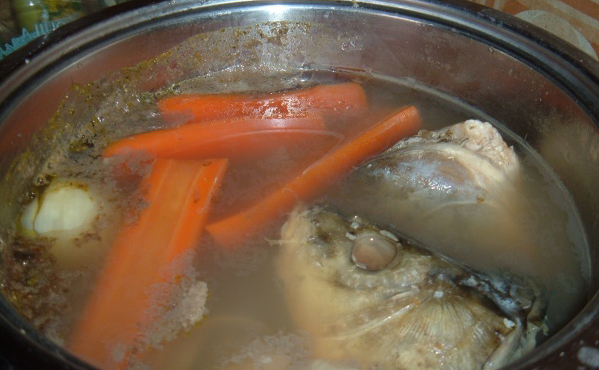
Harking back to a simpler time when meat was a luxury to most Europeans, the tradition of eating carp (a freshwater fish) for a treat at Christmas has remained strong in the Czech republic.  None of the fish was wasted – most recipes for this soup call for the head and viscera to be boiled to make the stock.  Even today the mayor of Prague doles out this soup to the needy on the Old Town Square on Christmas Eve.

First the stock is prepared for vánoční rybí polévka

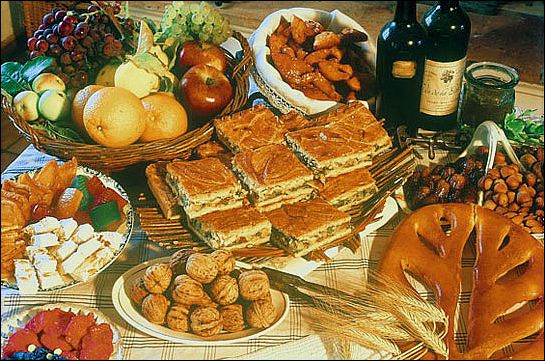
2. Les Treize Desserts (The Thirteen Desserts) – France
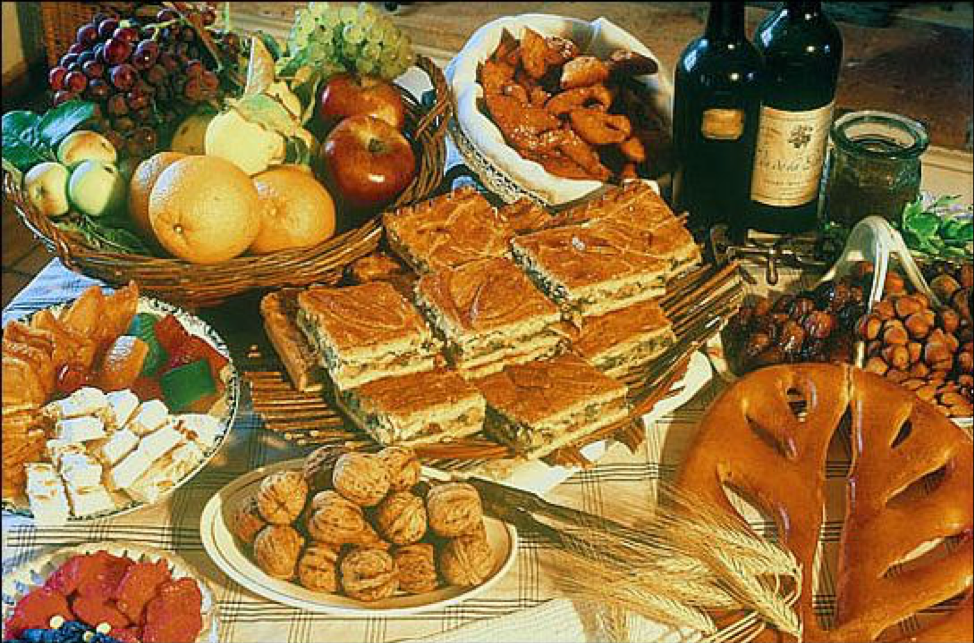
Here’s one for the kids (and those of us adults with a sweet tooth).  In the Provence region of France,  Christmas Eve is epic meal time, or Le Gros Souper.  The table is set with three candles (representing the trinity) and a large dinner of fish, vegetables, bread and cheese is shared.  The thirteen desserts (representing the number of diners at the Last Supper) are then laid out to finish the feast.  The desserts consist of various fresh and dried fruits, nuts, nougats, cakes, and sweet wine.  After all that, everyone heads to the local church to try to stay awake through Midnight Mass!

Les Treize Desserts

3. Pandoro (The Golden Bread) – Italy
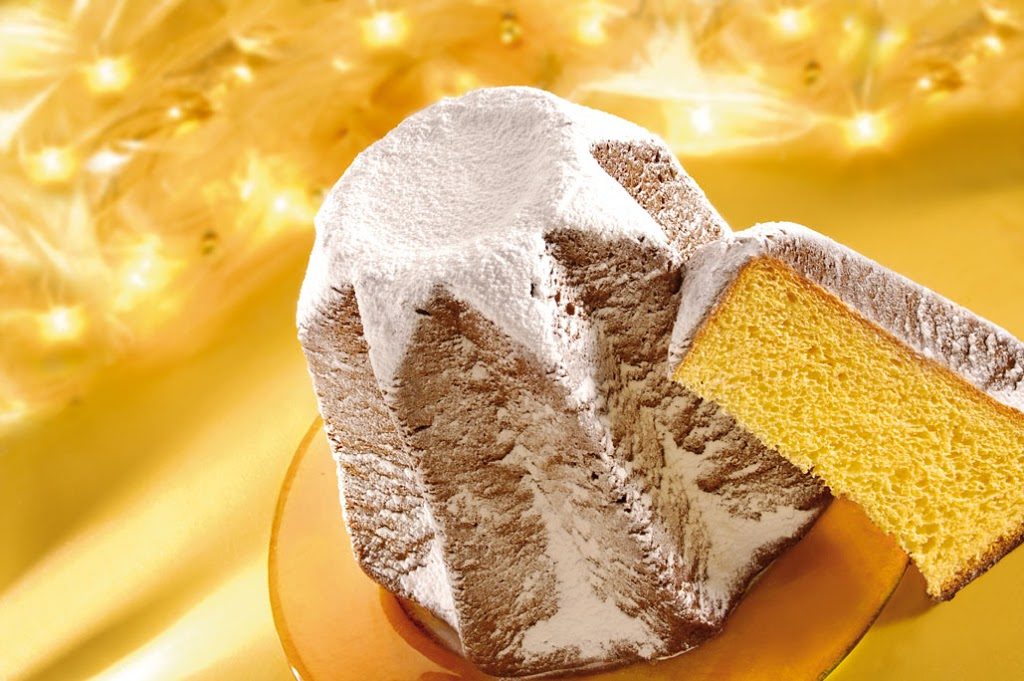
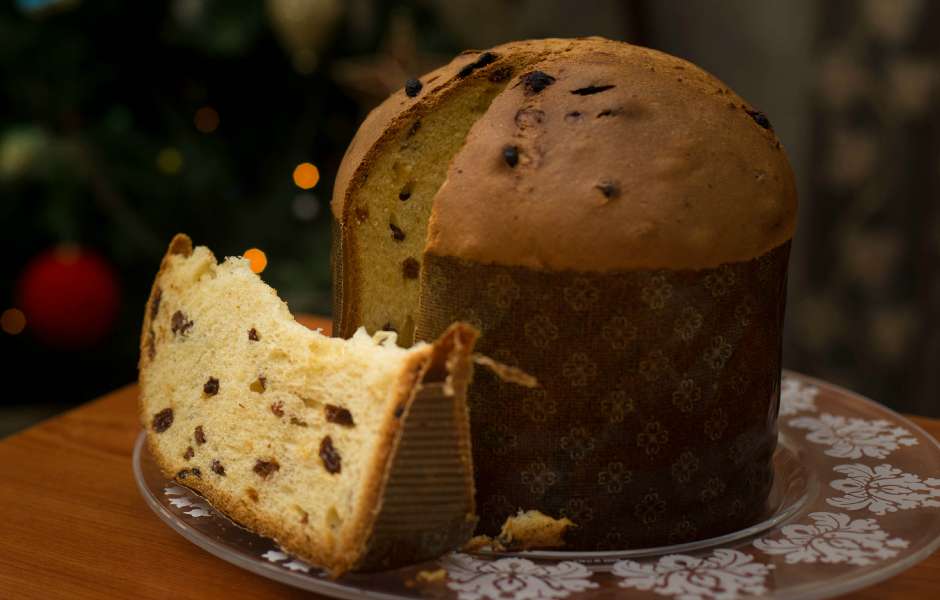
This Italian sweet bread, traditionally from Verona, is a favourite at Christmas.  By its appearance you would think it is a cake, but it is in fact a leavened yeast bread, sweetened with sugar or honey, and dusted with icing sugar (some say to resemble the Dolomite peaks just north of Verona).  Pandoro is typically served with a side of whipped cream, or even better, vanilla gelato, and a strong Italian espresso.  Yum.

Pandoro gets its golden colour from the egg yolks used in the simple recipe

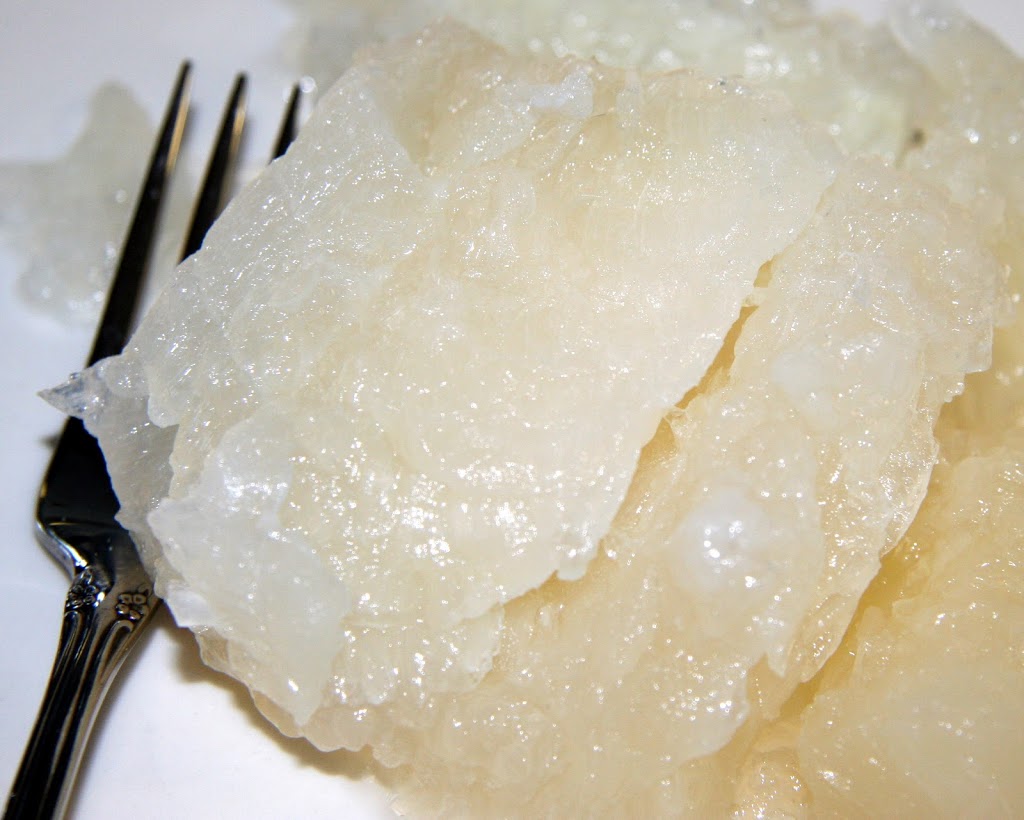
4. Lutefisk (Lye Fish) – Norway
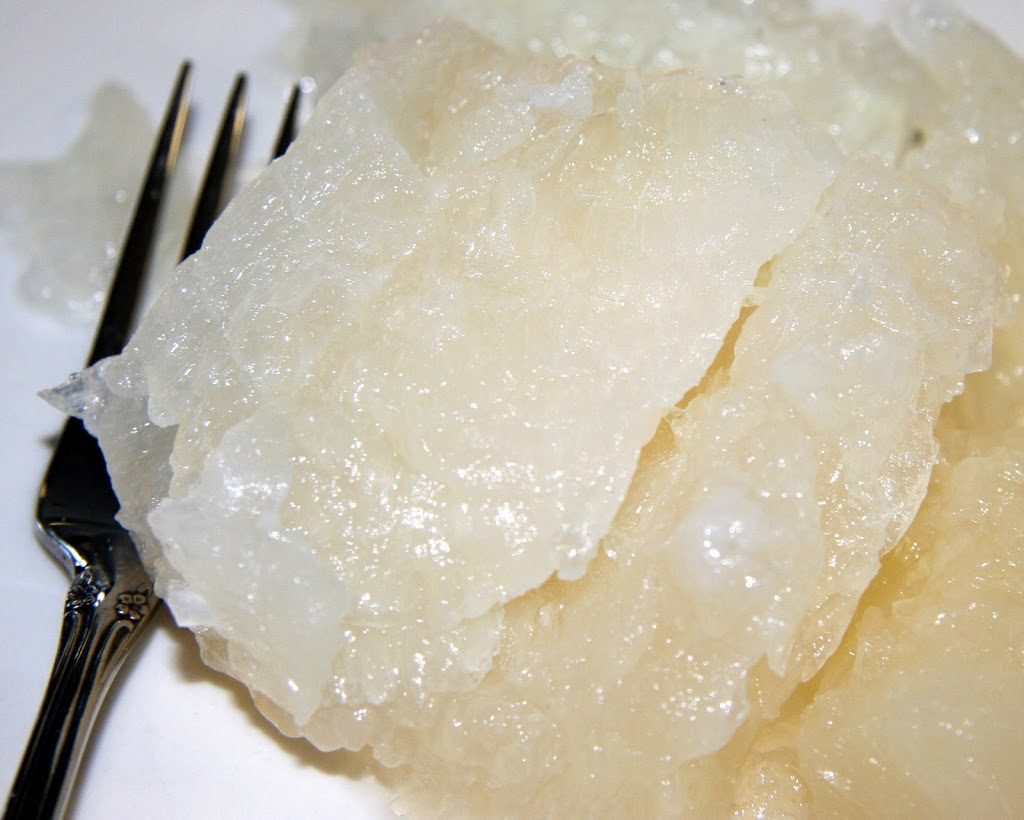
It is hard for a non-Scandinavian to understand the appeal of this dish… however it remains very popular at Christmas throughout the Nordic countries, especially Norway.  Dried cod is soaked in a solution of water and lye for a number of days, which changes the texture of the fish, making it more like a fish “jello” (jellyfish?).  At this point, the fish is inedible because of the lye, so it has to be rinsed in clean water for several days to remove most of the lye.  Then it is ready to be baked or parboiled, and served in all of its odoriferous, gelatinous glory.

Lutefisk: Just tell the kids it’s jello

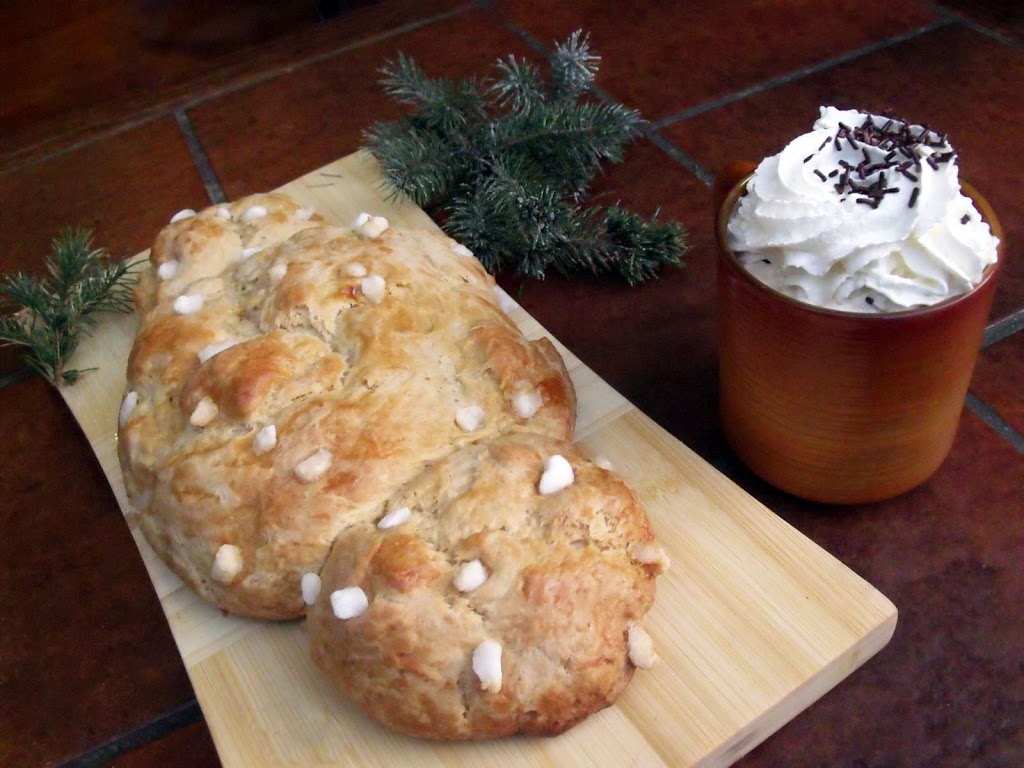
5.  Cougnou  (Baby Jesus Bread) – Belgium
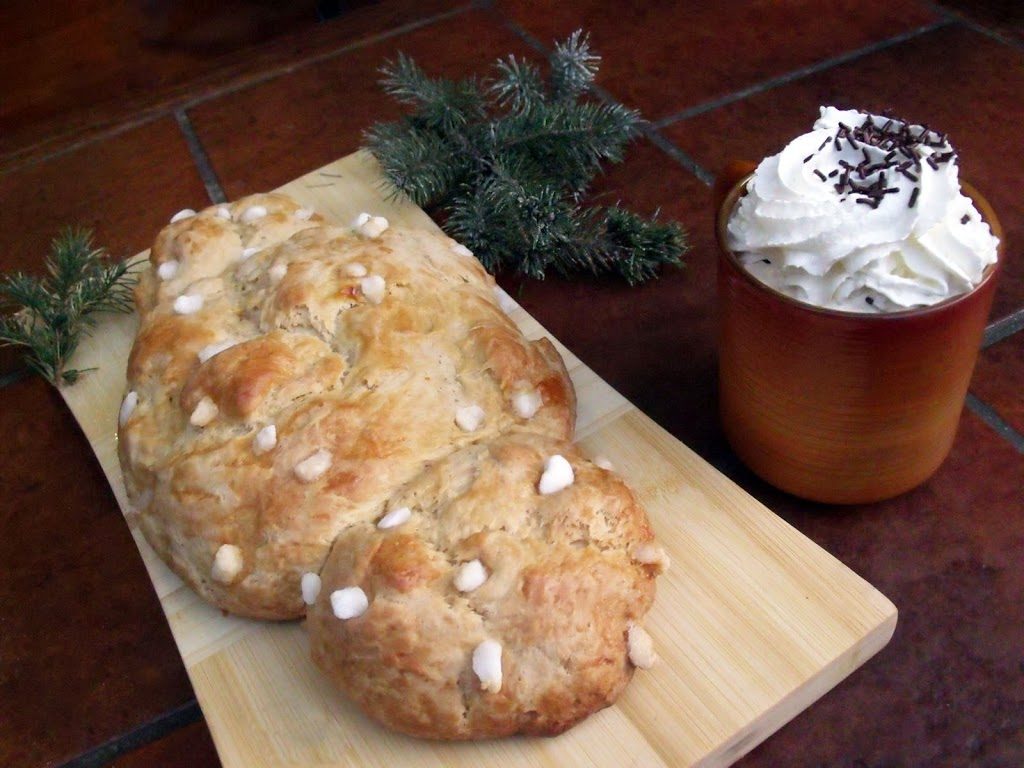
This sweetened yeast bread, dotted with coarse granules of sugar, is made in the shape of “the babe wrapped in swaddling clothes” (Luke 2:12).  A children’s favourite at Christmas, it is usually served with another Belgian specialty – real hot chocolate.

This looks so good, I’m going to try to make it myself.

Europe – home to so many different culinary traditions.  Isn’t it time you made the trek?  Join one of our specialized tours of Europe and enjoy regional cuisine at its finest.  Go to Eat and Drink Like a European for details.

Is food and drink an afterthought, or a main feature? Check your itinerary!

Planning a trip to Europe can be hard work.  Planning a GREAT trip to Europe is a daunting task.  However, with the proper research and reservations, you can definitely get the best out of your European vacation, and ensure that what you eat and drink will be as important to the experience as what you see and do.

For many tourists, food and drink is an afterthought.  Eating local means non-descript pasta in Italy washed down with some sort of wine… plate after plate of sausages and sauerkraut in Germany with a standard light lager… cone of fries and a Stella Artois in Belgium…

All these things are fine for tourists (except the Stella in Belgium!  c’mon!) if you really have no interest in connecting with the culture and just want to avoid going hungry while you see the sights.  But many travellers want to engage with the local scene and immerse themselves in the region and aren’t sure how to go about this.

If you’re one of those travellers, here are a few suggestions when planning your trip.

  1. Don’t assume there is a “national” cuisine.  Take Italy for example.  The pizza/pasta stereotype for Italy just doesn’t cut it when you look at the huge variety of regional food traditions – the cuisine of the Veneto is not the same as the cuisine of the Alto-Adige or Emilia-Romagna or Liguria or… you see what I’m getting at.  There are plenty of restaurants that cater to tourists that will serve the same basic pizza/pasta throughout Italy.  But to really connect, you want to read about the food culture in the specific region you are visiting, and seek out restaurants that celebrate it!  If Italy is on your list, I would highly recommend reading “Italian Cuisine: A Cultural History” by Capatti and Montanari as you are planning.  It’s not a recipe book, but regional dishes are explained in context.  Highlight the ones that interest you, then find restaurants that specialize in those dishes.
  2. When you are in Europe with no specific plans for your meals that day, take note of restaurants that don’t seem to cater to tourists.  Not on the main squares.  No English menu.  No “tourist menu” (that always makes me laugh – they actually put that on the signs out front of some restaurants!)  No bow-tied pushy waiter standing out front trying to convince you to step inside.  A place where you are mostly hearing the local language, and where ordering might be a bit of an adventure!  If you know a few basic words in the language, and maybe can use your phone to translate anything your are unsure of, you’ll be fine and you’ll probably have one of the most memorable experience of your trip!
  3. More expensive does not necessarily equal better quality.  Many of the best food and drink experiences are the ones that the locals can afford too.  I’ve had plenty of €3 glasses of house wine that suited the food and my palate better than the much more expensive bottles from the restaurant’s cellar.  I’ve had ultra-cheap beer and food in little taverns in rural Germany that completely outshone the expensive meals offered at the hotel restaurant.

If you are interested in letting someone else take care of these details for you – we’re your people!
Eat and Drink Like a European offers the most unique tours in the industry – the best food and drink experiences with a focus on the most interesting history, art, and architecture.  

Delicious Milano!

The typical Milanese cuisine might not be as famous as the Roman or Tuscan, but it’s definitely worth trying: in fact, it includes some of the most delicious food in Italy!

Just like that of the whole region of Lombardy, the Milanese cuisine is made of ancient recipes based on simple ingredients. But as we said, most of its recipes are not that famous outside of this Northern Italian city, so… What to eat in Milan?

When you join us on our Eat and Drink Like a Northern Italian tour, you can be sure that you will taste the best that Milan has to offer!

Aperitivo

An aperitivo before dinner.

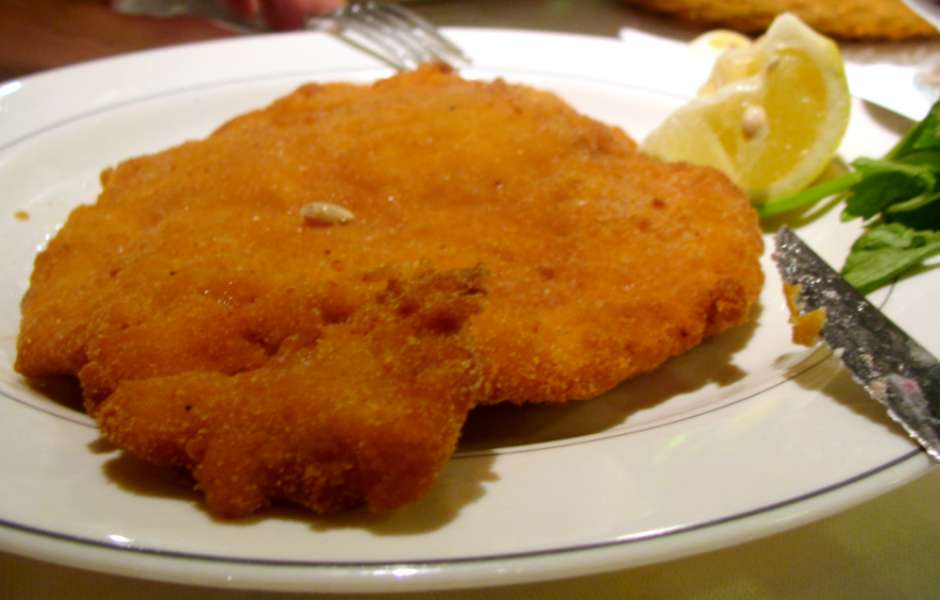
Cotoletta alla Milanese

It is a famous meat recipe, very simple and quick to prepare, known all over the world with many variations, but the authentic tasty and crispy veal cutlet is only one, and can be enjoyed only in the city of Milan.

This dish consists of a delicious slice of sirloin breaded veal with egg and breadcrumbs and then fried in butter: a real treat for the palate. The union of the breading fragrance and the meat softness make this dish a must if you are in Milan.

cotoletta alla milanese

Perfectly breaded, crisp and moist cotoletta alla milanese


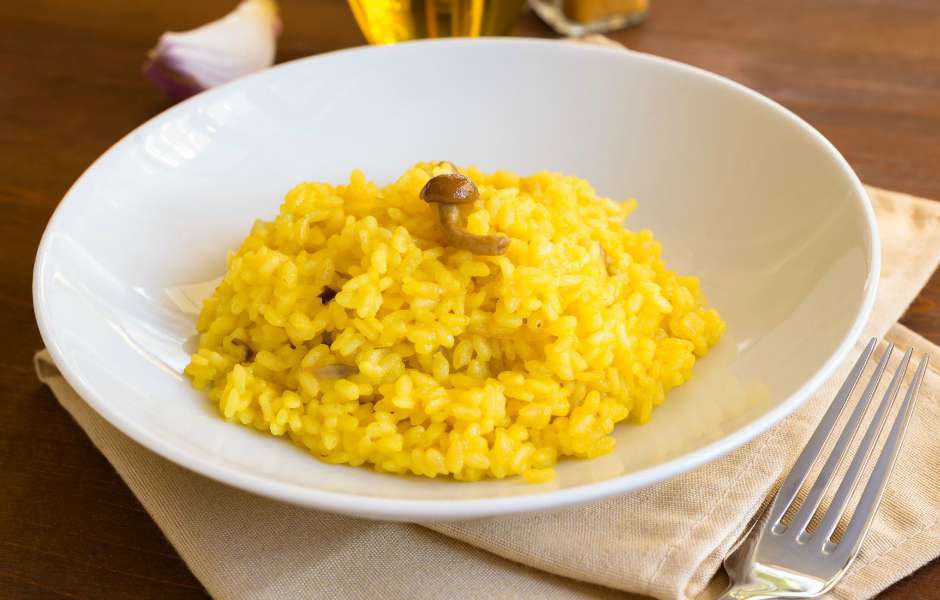
Risotto alla Milanese

A first course, part of the Italian culinary traditions, that fascinates primarily for its color of gold, for its delicious scent and obviously for its unique taste. One must be careful, however, not to confuse it with the “saffron risotto”: the differences between the two are few but important.

The main ingredient is definitely saffron, but the real traditional Milanese recipe includes the use of beef marrow, fundamental to enrich the taste of the dish, and a dash of white wine. Famous and appreciated all over the world the risotto alla Milanese has a long history of flavors and continues today to be beloved by both the Milanese and tourists.

risotto_alla_milanese_milan_food

The fragrant Risotto alla Milanese


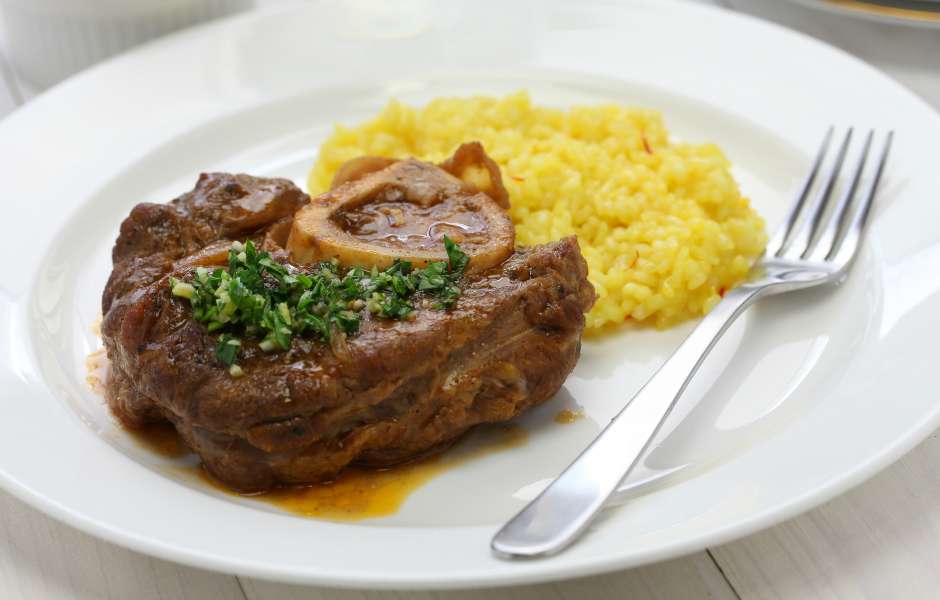
Ossobuco

The ossobuco (literally, the “marrowbone”) can be served as a main dish, but very often it is served accompanied by the risotto alla Milanese (and it is wise and recommended choice). It is a beef steak – with a hole containing the bone in the middle, and it can be cooked in different ways. The softness of this type of meat makes this dish unique and delicate.

In addition to the accompaniment with the risotto, the ossobuco is also excellent along with chopped garlic, parsley and anchovies, or with fried tomatoes and onions.

Ossobuco

Tender, delicious Ossobuco


Cassoeula

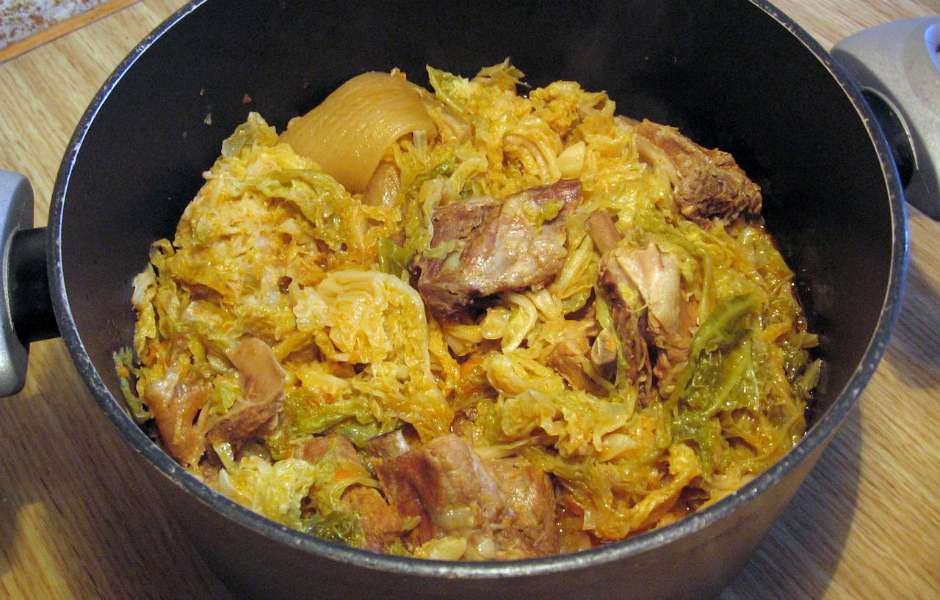
The Cassoeula is a winter typical dish of the popular tradition of Lombardy. Its origins are very old, and its recipe has changed a lot over the years, be it has always been beloved.

The main ingredients of cassoeula are cabbage and pork.

The typical Milanese folk dish Cassoeula

The typical Milanese folk dish Cassoeula


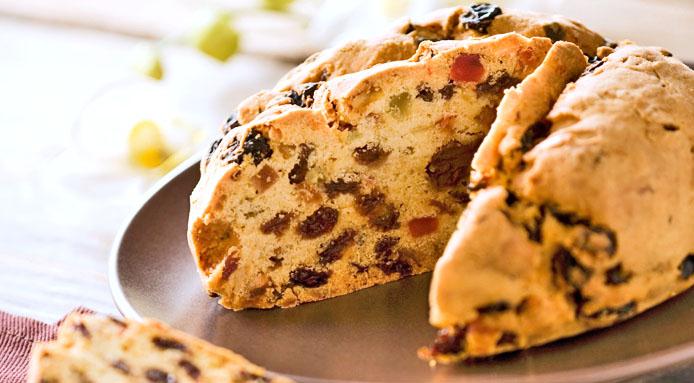
Panettone

A historic Milanese dessert, eaten each year throughout Italy especially in the most beautiful time of the year, Christmas. The Milanese Panettone unites the whole table, is the sweet of Christmas and it’s beloved by all, both for its taste and for what it is able to convey emotionally during the Christmas atmosphere.

The origins of panettone are ancient and sometimes fade into legend: it is said that it had been cooked for the first time only with scraps, with what was advanced in the kitchen. Its recipe is simple, it takes a few natural ingredients – flour, baking powder, orange, eggs and the inevitable raisins.  Delicious!

The Christmas treat Panettone

The Christmas treat Panettone

Authentic Food of the Cinque Terre

Want to try some of the best cuisine in Italy?  The food of the Cinque terre is a delight that needs to be sought out and included on any trip to the “Italian Riviera”.  In fact, the food of the Cinque Terre —including pesto genovese, minestrone and focaccia, is a favourite of many frequent travelers to Italy, including me!  Because Liguria is on the coast, seafood and fish are a big part of the diet here, and many of the region’s famous foods and recipes were first invented, or eaten, on ships or by fishermen.

Not a big seafood fan? Don’t worry! The sea breezes and mineral-rich soils mean that the region is also famous for its herbs (especially basil and rosemary), wine, olive oil, pine nuts, porcini mushrooms, and other delicious foods.

Want to make the best of your dining experience while traveling through the Cinque Terre or other parts of Liguria? Here are what food items to look for on the menu!
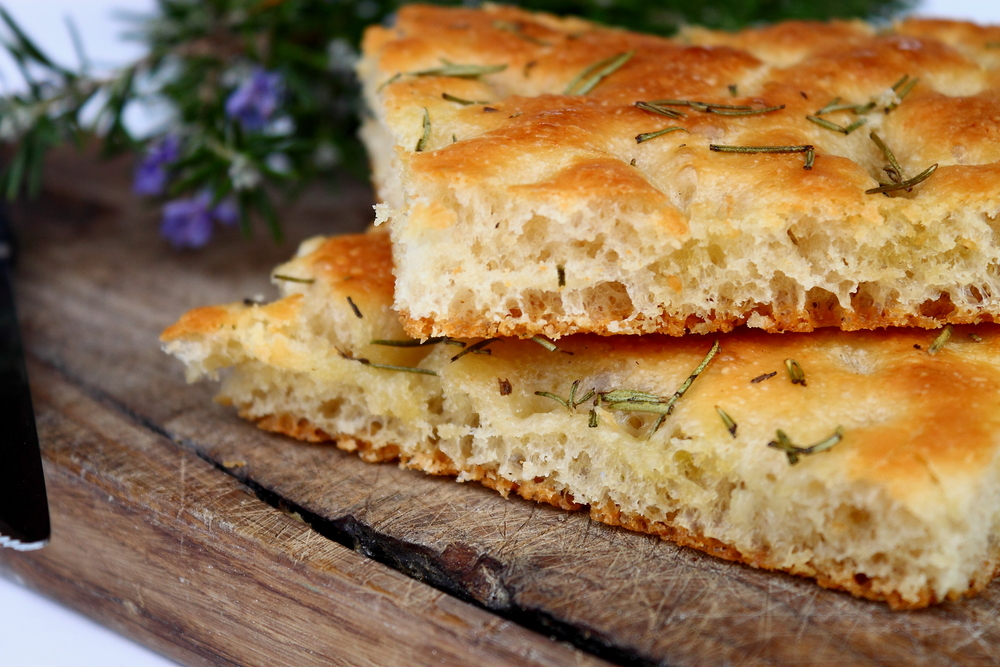
focaccia

Foccacia

Focaccia: Ah, focaccia! This Ligurian bread has made its way around the world, and it’s no surprise: It’s delicious either on its own, dipped in sauce, or with a spread. A flattened bread (like a pizza without tomato sauce), it’s meant to be eaten hot from the oven. It might be flavored with anything from just olive oil and salt to cheese and sausage. And it’s a street food, so don’t feel as if you have to be sitting down at a restaurant to enjoy it.

Farinata: Another Ligurian street food, farinata is a bread made from chickpea flour. As with focaccia, of course, olive oil and other flavourings (often rosemary or onion) are added in. It’s also best eaten piping-hot and fresh out of the oven.

Latte brusco: Also called “frittura di crema,” this dish involves browning parsley and onion; adding flour, milk and egg yolks; and letting it all cool and harden before dipping it in egg whites, bread crumbs, and deep-frying the whole concoction in olive oil. Eaten hot, it’s a crusty, delicious snack, especially on a cold day!

Carciofi violetti: Rome isn’t the only place famous for its artichokes. Liguria is, too—particularly Albenga. These tender-yet-crunchy artichokes pop up in sauces, pies, and frittate, and you might even see them eaten raw.
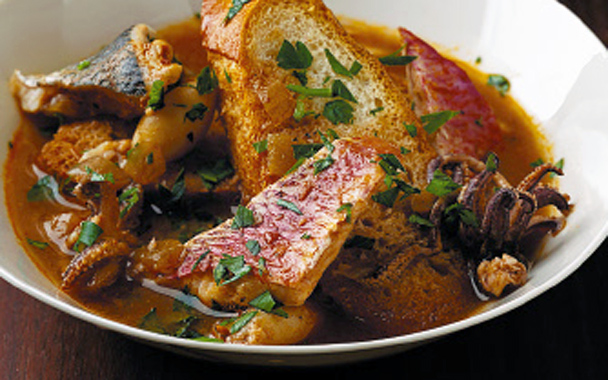
re-seafoodstew608

Ciuppin

Minestrone: Legend has it this famous soup was invented in Liguria, although, of course, we can’t be sure. But the story goes that soldiers from Genoa, serving in the First Crusade, made a meal by taking vegetables and herbs from the locals… then cooking them as a soup in their army helmets. Who knows if it’s true, but it’s certainly a fun story!

Ciuppin: Ever heard of “cioppino”? Well, that’s a dish that was developed by Italian immigrants in California in the 19th century—and it’s based on Genoa’s ciuppin. The original version, made up by fishermen on Liguria’s coast, was meant to use up the fish that were too small or damaged for anyone to buy. The fish are slow-cooked for up to two hours, making for a delicious soup. There’s also much less tomato than in the Italian-American version.
Genova_Cappon_Magro_7

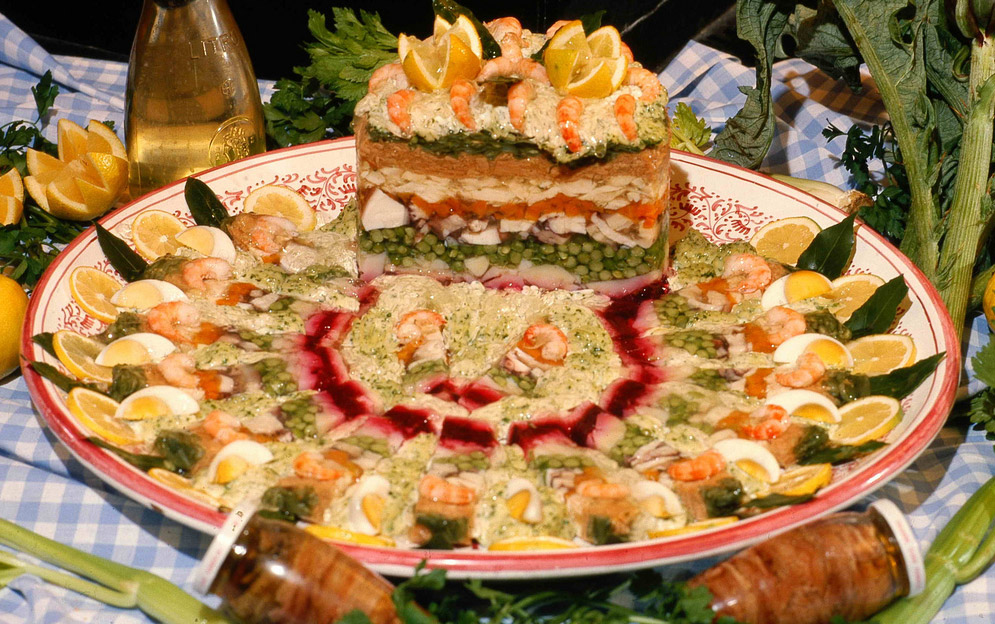
Cappon Magro

Cappon magro: This dish looks like a salad… but it’s much more complicated! Hard-tack biscuits (yes, a holdover from Liguria’s seafaring times) are soaked in olive oil and salt water. They’re layered on top in a pyramid (something that takes a fair amount of artistry, and balance, to pull off!) with a mixture of fish, shellfish, olives, and eggs, and dressed with a sauce flavored with anchovies and capers. It’s a traditional dish to eat on Christmas Eve.

Corzetti: What are those funny little discs of pasta?Corzetti, of course! Coming from Genoa, they’re flat, round, and often embossed with a wooden hand-tool—something that not only gives the pasta a bit of decoration, but also lets it hold the sauce better. If you’re in Genoa, look for fresh pasta shops where they still handmake corzetti and stamp them.
Pesto Italy shutterstock_109632971

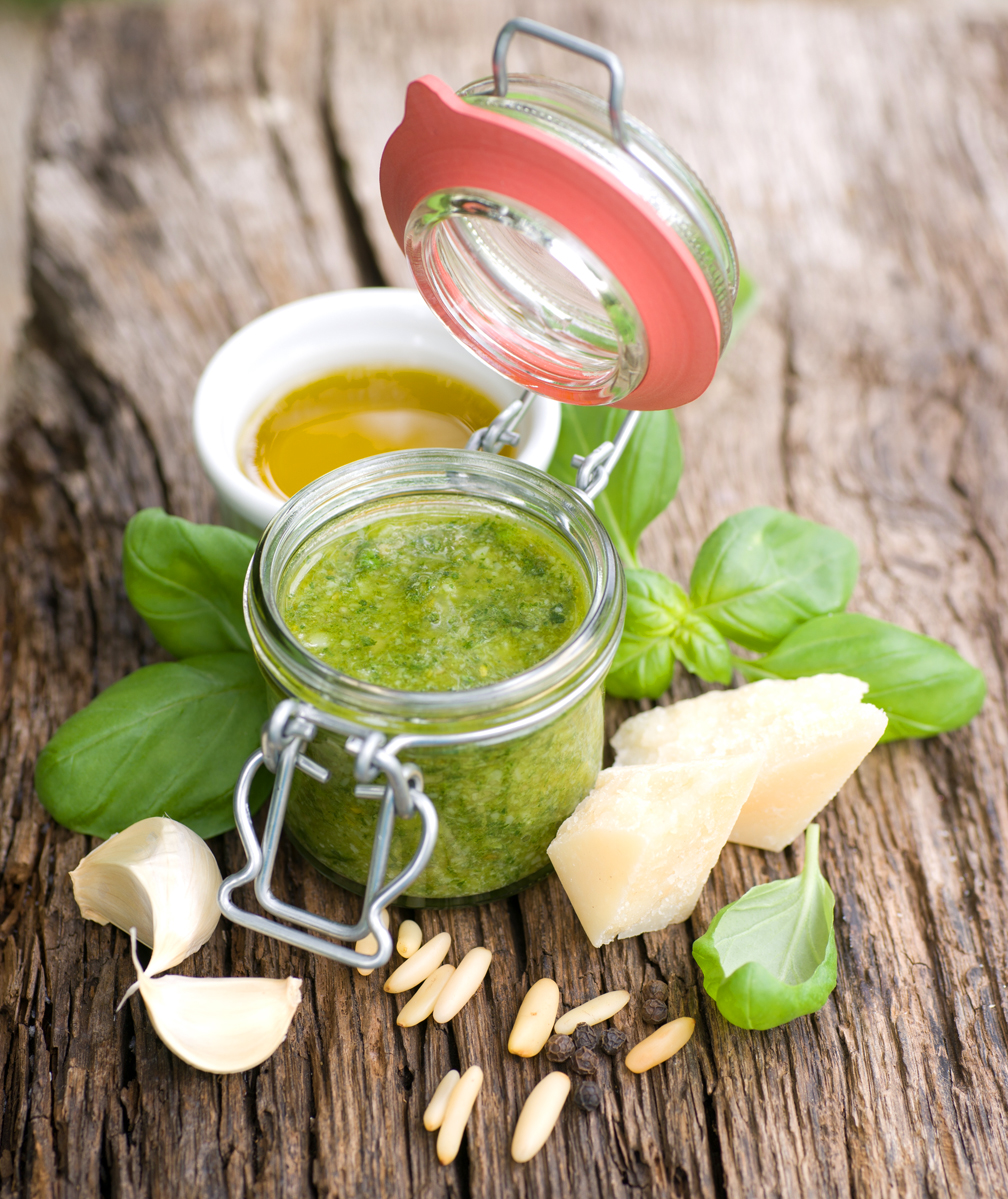
Pesto alla Genovese

Pesto alla genovese: In short, while there are lots of kinds of pesto in Italy (“pesto” can refer to any paste of herbs that’s mashed up with a mortar and pestle), pesto alla genovese is the most famous. It’s D.O.P. protected, meaning it can only be made in a very precise way, with specific ingredients (including D.O.P. basil from Genoa), to be considered the “real thing.” The ingredients themselves are simple–basil, pine nuts, Parmigiano-Reggiano, Pecorino, garlic, salt, and olive oil—and when it’s done properly, it’s absolutely delicious over penne or another pasta!

Pesto bianco: This is another kind of pesto, literally “white pesto,” that you can find in Liguria (aside from the famed pesto alla genovese!)It’s a paste of walnuts,  olive oil, and fresh ricotta.

Crema ai pinoli: Another pasta sauce from Liguria, this one is made from pine nuts, garlic, butter, and fresh marjoram. It’s especially popular in Genoa, where you’ll often see it on corzetti.
Torta pasqualina

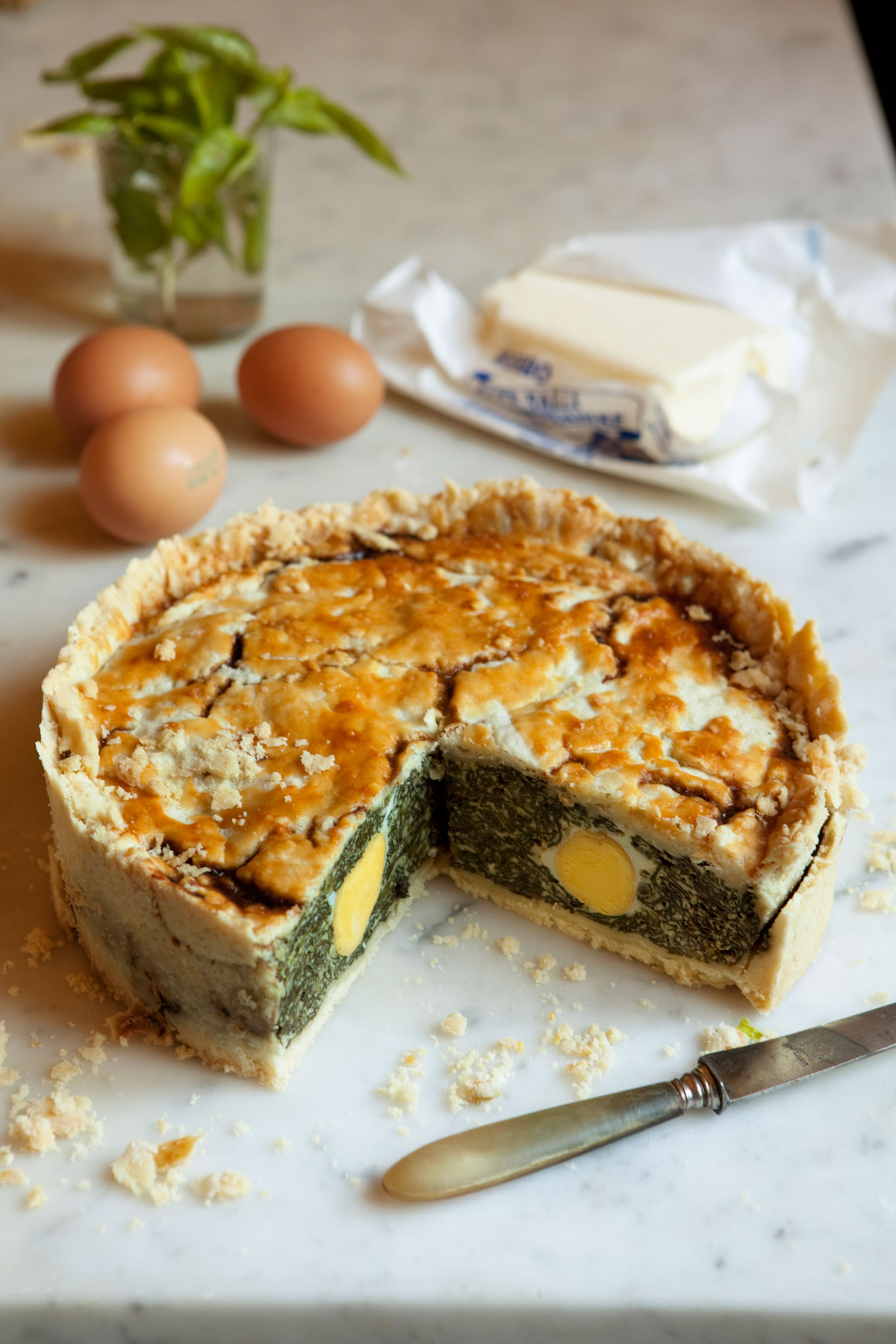
Torta pasqualina

Torta pasqualina: If you like some pastry with your greens, you’ll love this dish. Pastry is layered with a mix of green chard, parmesan, ricotta, and other herbs, and the filling is indented with eggs and butter. The pastry layers are supposed to number 33. Sound random? Each one is for a year of Christ’s life—this dish actually got its start as an Easter tradition, although many people eat it year-round now.

Pacciugo: An ice cream that hails from the area near Portofino, pacciugo includes bitter-chocolate ice cream mixed with whipped cream, fresh fruit, cherries, and a coulis of raspberry or strawberry. It got its start in the 1930s, and became an instant hit, especially with Portofino’s many tourists.

Focaccia castelnovese: A bun made of cornmeal, olive oil, butter, and pine nuts, this is a Christmas and Easter tradition.

Ravioli dolci: Like ravioli, but not! These “sweet ravioli” are envelopes of sweet egg dough, filled with a pesto of citrus peel, candied squash, citron, and beef marrow.

Meringhi genovesi: Cake soaked in rum or another liquor, filled with apricot jam, and topped with vanilla meringue, this is a cake for tose with a serious sweet tooth!
Pandolce-génois

Pandolce

Pandolce: This literally means “sweet bread,” but it’s not what you’re thinking—it is a cake, not offal!  According to legend, the 16th-century Doge of Genoa, Andrea Doria, invited Genovese chefs to submit recipes for a food that would represent the Republic’s wealth, as well as be nutritious, durable and suitable for long sea voyages—and so pandolce was born. It’s dense, crumbly, and filled with spices and candied fruits, and it’s generally eaten only at Christmas.


Eat and Drink Like a European is dedicated to the absolute best in European travel experiences.  All of our tours feature authentic regional cuisine!  We also do travel consulting, and can help you find the places the locals eat on your independent trip to Europe.  Contact our chief tour director Craig Bresett for more information.

[author] [author_image timthumb=’on’]https://pbs.twimg.com/profile_images/506116251454697472/4blfsXiS.jpeg[/author_image] [author_info]This blog shared with you by Craig Bresett (trying not to get Farinata crumbs in my keyboard) – owner and chief tour director at Eat and Drink Like a European. Contact Craig anytime: craig@eatanddrinklikeaeuropean.com[/author_info] [/author]

Don't order French Fries in Belgium!


Frites – the national dish of Belgium

Dating back to the 1600’s, people in the French speaking region of Belgium (Wallonia) experienced a shortage of river fish that they would usually catch and fry up in the winter.  Someone got the idea to cut potatoes, a recent import from South America, into small slivers, shaped somewhat like the little fish, and fry them up instead.  And voilà, the frite was born.  It was American servicemen helping to liberate Belgium in WWI who wrongly gave them the name “French fries”, presumably because the people in Wallonia spoke French.  Belgium recently applied to UNESCO to give their frites world heritage status, so, yeah, they take them pretty seriously.  Please don’t ask a Belgian waiter for French fries, unless you would like this history lesson repeated each time you do!

Proper frites are never frozen (sorry McDonald’s et. al) and should not be too skinny or too thick (about 1 cm square if you want to get technical).  They are fried twice – once at 150° C and then again at 175 ° C. The result is a golden fry that is crispy on the outside  and soft inside.  They are properly served with a dollop of mayonnaise, although the creative Belgians have come up with all sorts of interesting dipping sauces.  My favourite is pepper sauce and spicy relish.  OK, I’m so hungry right now…

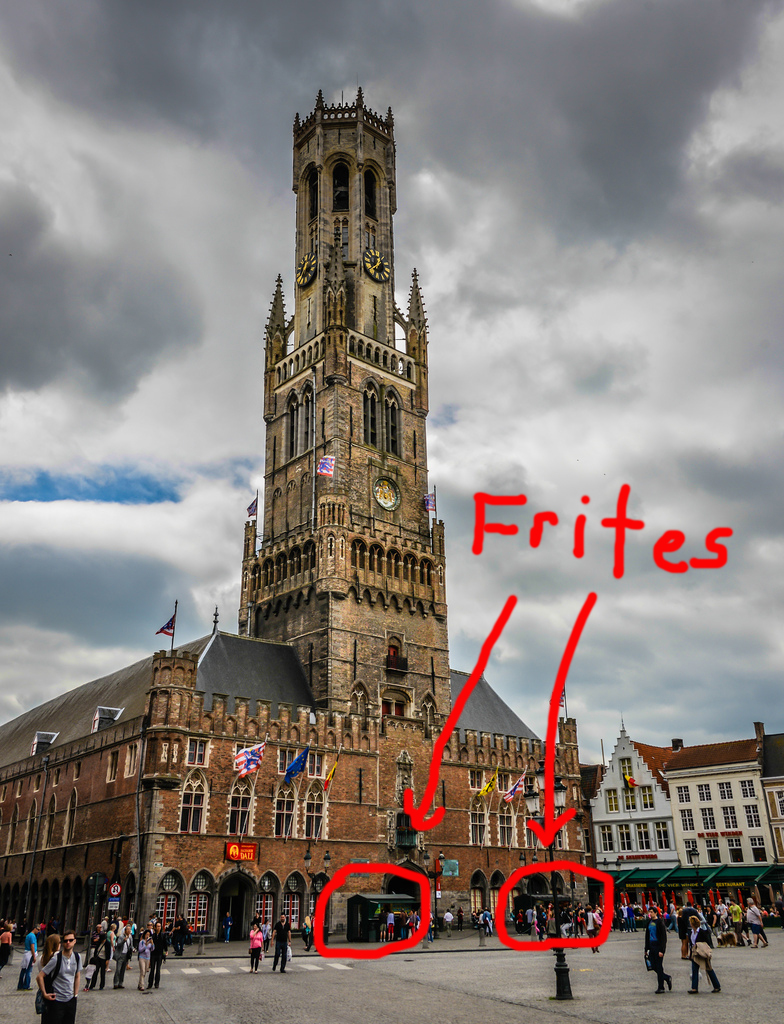
You can get good frites at pretty much any decent restaurant in Belgium.  In Bruges, I like to get them from one of the two historic frituur at the base of the towering Belfort on Market Square.  Just look for the little green structures.  They are generally open 10:00 to 24:00, but sometimes later on the weekends.  Cheap – just a few euros for a small (which is plenty for one person).  And if you really don’t want mayo or one of the other unique sauces with your fries, you can ask for ketchup.  They won’t laugh at you.

9489729424_ce92fe33c9_b

OneLife Tours is dedicated to the absolute best in European travel experiences for our small groups.  If you want your travel in Europe to be authentic and focussed on being a “temporary local” then we’re your company!

[author] [author_image timthumb=’on’]https://pbs.twimg.com/profile_images/506116251454697472/4blfsXiS.jpeg[/author_image] [author_info]This blog happily shared with you by Craig Bresett (about to go search for potatoes in the pantry) – owner and chief tour director at OneLife Tours. Contact Craig anytime: craig@onelifetours.ca[/author_info] [/author]
The five BIG BAVARIAN foods you need to eat

Bavarians don’t just eat beer.  They also eat food.  And it is some of the heartiest, earthiest, heaviest food in Europe.  Heavy in a good way, like an anchor that keeps you from floating away from the beer garden.  Here to make your mouth water, are 5 traditional foods you need to eat when visiting Munich or anywhere else in Germany’s fun province, Bavaria.

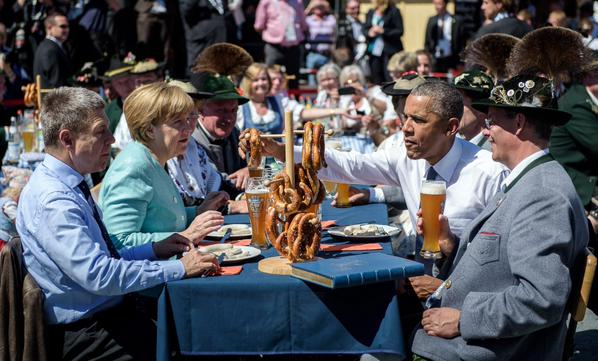
Weisswurst and Pretzel:  Hey, it’s breakfast time in Bavaria, so you’re obviously enjoying a Weißbier (a cloudy, slightly sweet wheat beer).  You need something solid to go with it.  Do as the Germans do, and enjoy at weisswurst (white sausage).  Looking a little different than your typical North American breakfast sausage, and boiled instead of fried, it’s a nice “light” (by Bavarian standards) way to start the day.  With a pretzel, please.

CG9-LouVIAE7N5q

President Obama recently shared a traditional weisswurst breakfast with German Chancellor Angela Merkel.

Weißwurst-1

Weisswurst is typically eaten with mustard and a pretzel.


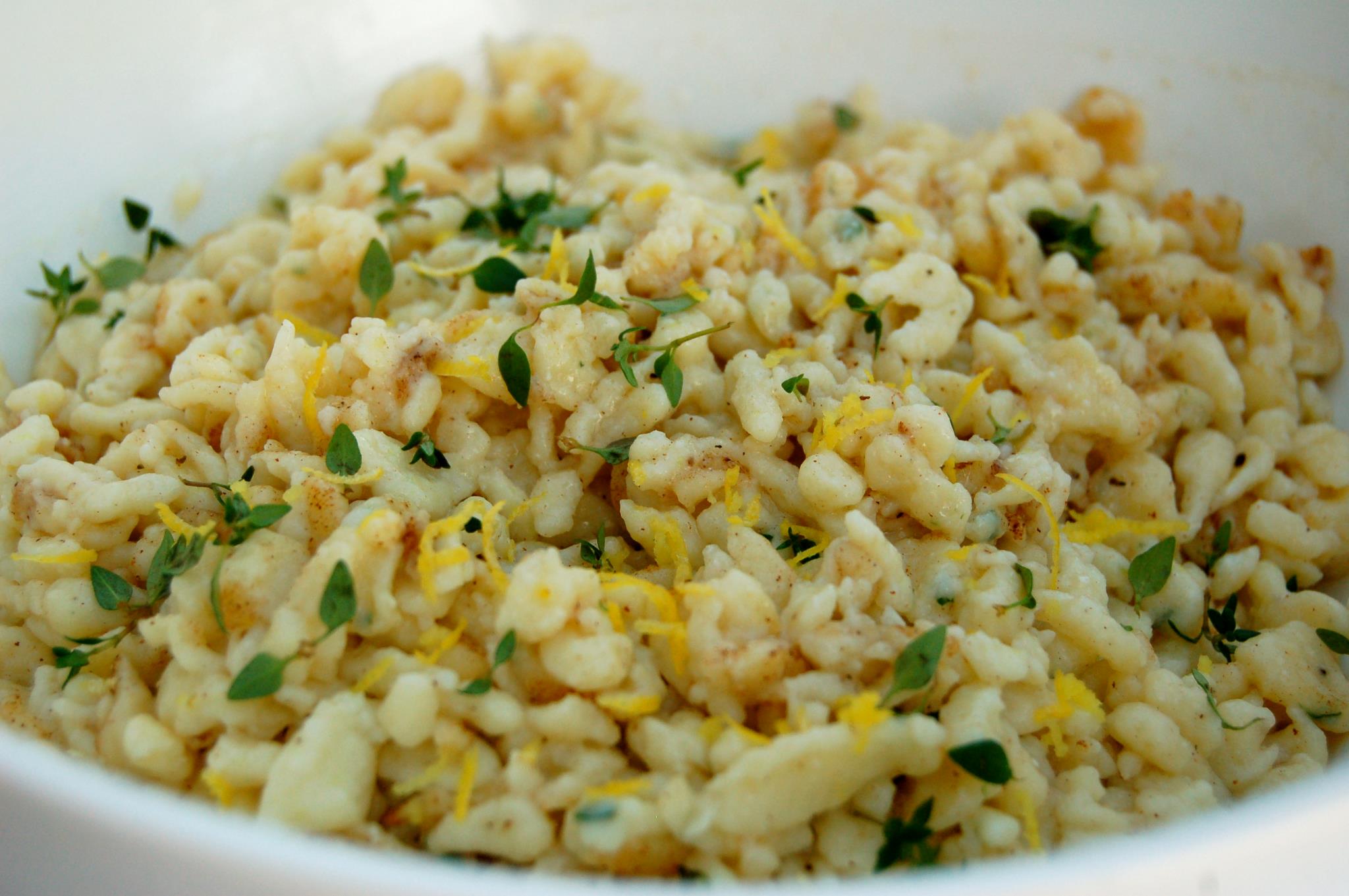
Käsespätzle:  Please, don’t call this mac n cheese.  That’s for kids.  Käsespätzle is for grownups, made with small twisty dumplings, emmenthaler cheese, and onion.  Not a hint of orange food colouring in sight.

spaetzle

Please sir, may I have some more?


Schnitzel:  Apparently, you can schnitzel pretty much anything.  Though veal is the most common member of the schnitzel family, there’s pork, there’s chicken… I’ve even had fish schnitzel.  The process is quite simple.  Take your slab of meat, pound the heck out of it, bread it, deep fry it, and eat it.  Food doesn’t get much “heavier” than that!

Wiener-Schnitzel02

What’s the salad for?

Schweinshaxe: No, that’s not the name of a German metal band (though maybe it should be).  This is the grand-daddy of all Bavarian cuisine.  Alternatively called “pork knuckle” or “ham hock”, this is big food. Tuck into one of these for lunch, you won’t be needing dinner.  Takes some serious effort to eat – this is a real food experience.

schweinshaxe-wirsing-gemuese

I don’t recommend trying to eat two of these at one sitting.

Did I miss your favourite Bavarian food?  Let me know in the comments!
OneLife Tours is dedicated to the absolute best in European travel experiences for our small groups.  If you want your travel in Europe to include authentic, mouth-watering, local cuisine, sign up for one of our unique tours today!

[author] [author_image timthumb=’on’]https://pbs.twimg.com/profile_images/506116251454697472/4blfsXiS.jpeg[/author_image] [author_info]This blog happily shared with you by Craig Bresett (trying not to get Käsespätzle on my keyboard) – owner and chief tour director at OneLife Tours. Contact Craig anytime: craig@onelifetours.ca[/author_info] [/author]
Belgian Café Culture

When you think of café culture, Paris or Vienna probably come to mind.  But Belgium has a café culture all its own – and guess what?  Coffee isn’t even on the menu.  Head into À la Mort Subite in Brussels – the grand-daddy of all Belgian cafés, and you will be greatly impressed by the extensive selection of Belgium’s national drink:  beer.  Enjoy getting recommendations from the sometimes surly but always suave waiters – just don’t ask for a Bud Lite.  The slightly-sticky but classy art-deco surroundings will transport you back to a time when “Bud” didn’t even exist – you can imagine generations of gentlemen in top hats and ties sipping delicious monk-brewed tripels and dubbels after a long day at the office.   Perhaps it’s all those years of imbibing that have led to the aforementioned stickiness.

8688131474_c2f0db386ea_la_mort_subite_12

Though I enjoy the big name must-sees, my favourite Belgian cafés are a little more out of the way, a little more hole-in-the-wall than the famous À la Mort Subite.  I think no other town has a better selection of such watering holes than Bruges – a town seemingly plucked from the middle ages and transported through time for us to enjoy today.  I’ve got many favourites here, but I’m only going to list my top three.


Café Rose Red

rose_red_01 rosered01 cafe-rose-red

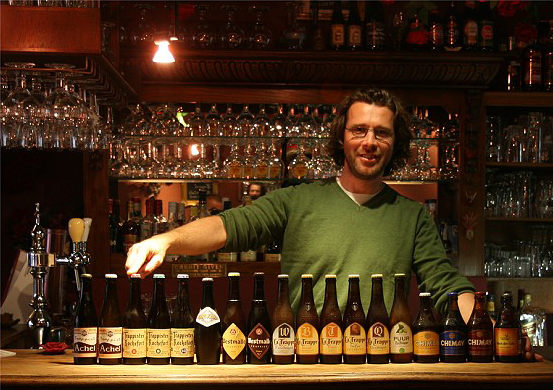
It takes some balls to actually put a price on your menu – for the menu itself!  If you want, you can actually buy the menu for €10 as a keepsake from a night you probably will only remember the start of.  Café Rose Red is owned by friendly Kris (who also operates the Hotel Cordoeanier, which, conveniently, is in the same building!) and managed by super-beer-knowledgeable Giles.  At Café Rose Red you can expect a quiet, beer-focussed evening, with some tapas if you wish, and lots of great conversation, even if you come alone.  This is my favourite place for a drink in the entire country of Belgium.

Slogan:  “Trappist beer …. taste the silence”

Recommendation:  If you can’t get out to the abbey of Sint-Sixtusabdij Westvleteren, this might be the place you can actually “taste the silence” and enjoy the most exclusive beer in the world.  Available when they can get it…  If they’re out, ask for a recommendation for another monk-brewed Trappist beer.

Details:  AddressCordoeaniersstraat 16, 8000 Bruges, Belgium  Contact:  +32 50 33 90 51 info@cordoeanier.be  Hours:  11 AM to 12 PM daily


Café ‘t Brugs Beertje

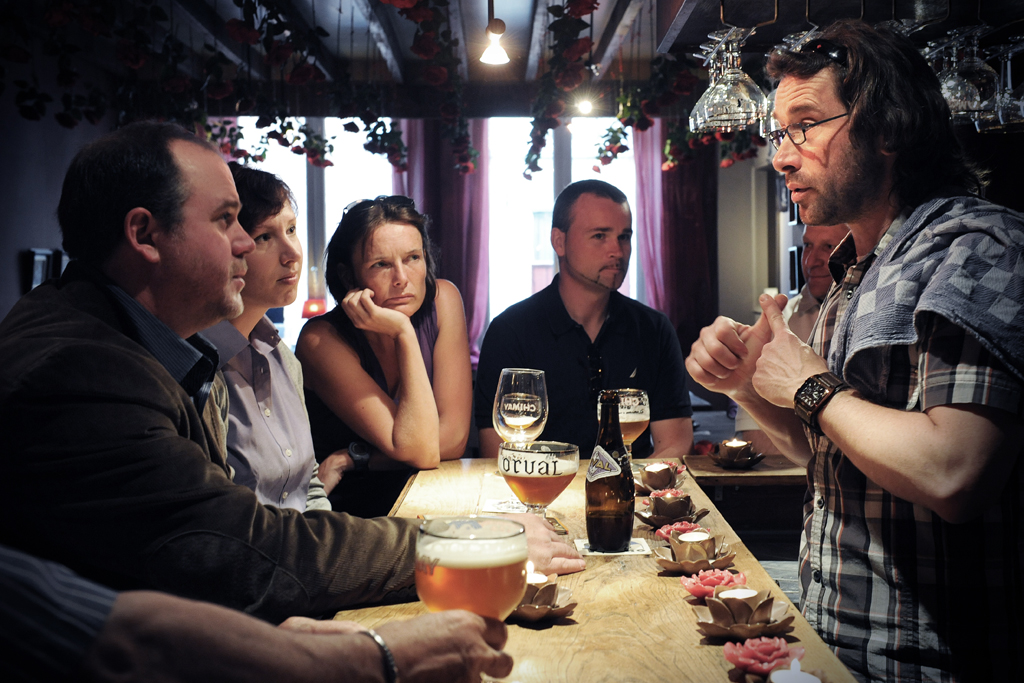
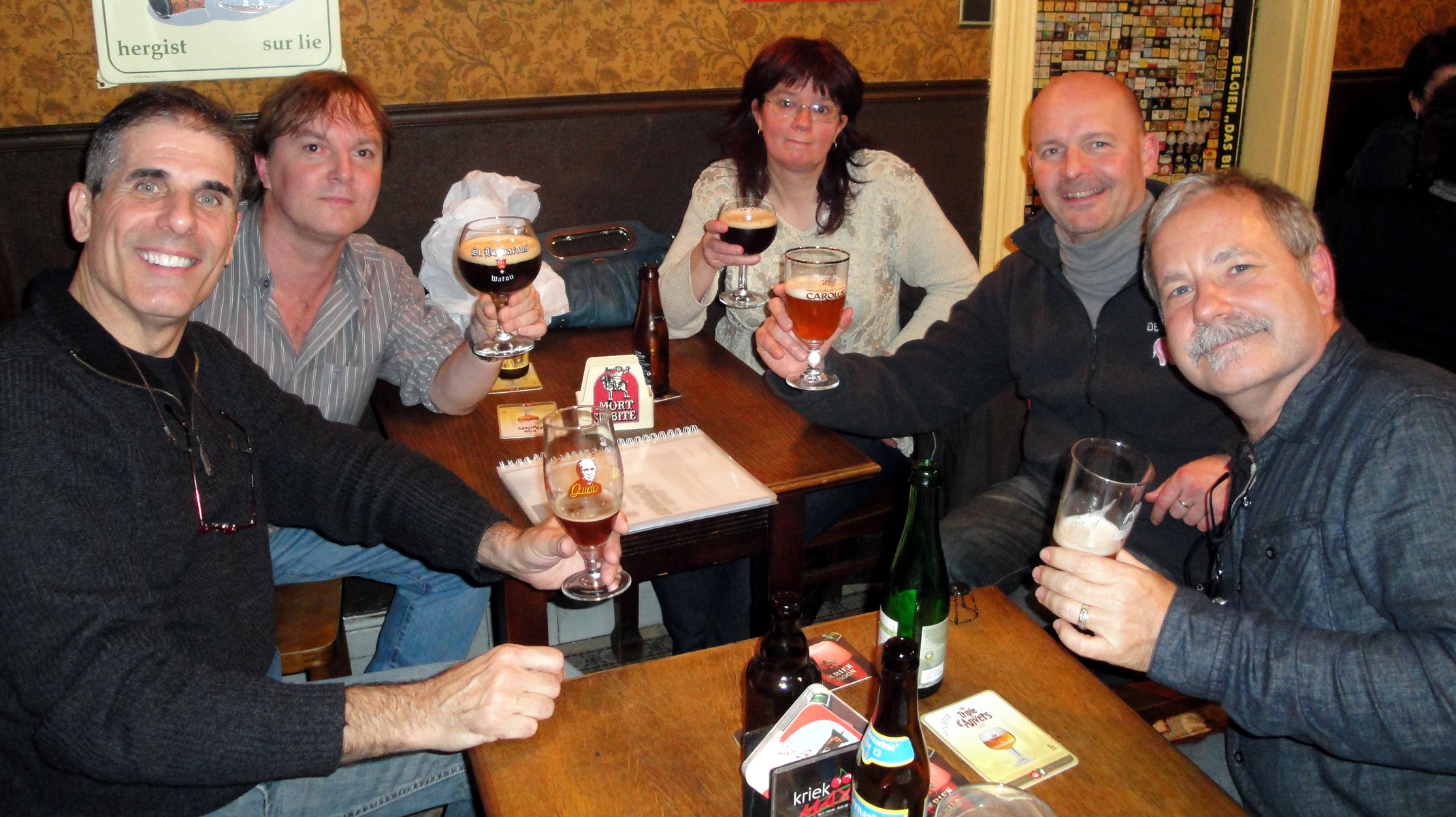
Tom, Laura, and company will keep you fully informed and fully, well, filled, with amazing Belgian beer from a selection that has a ridiculous amount of beers on it.  When they hand you the menu, it is as if they have given you some pre-internet encyclopedia, and in many ways, their menu is an encyclopedia of the great beers of Belgium, categorized by the various regions of this small country.  If you’re looking for a night to spend with that someone special, cozy up at one of the small tables.  If you want to meet new friends (Belgian or otherwise), sidle up to the bar – it’s the most happening place in town for those in the know.

friends-sharing-a-few-beers-at-e28098t-brugs-beertje tumblr_lxwbs19zbe1r3pjei e28098t-brugs-beertje

Slogan:  “The Brugs Beertje is not just a pub, but a worthy tasting house where the real beer spirit is enjoyed by the local and foreign guests.”

Recommendation:  That’s hard with such a huge selection.  I like to ask for the Duvel Triple Hop from various years (they change it up every year and the Bruges Bear usually has some old stock) and do a little taste comparison.  If not available, just ask Tom, or Laura, or whoever happens to be behind the bar that night, what they recommend.  They are the wizards of beer!

Details:  Address: Kemelstraat 5, 8000 Bruges, Belgium  Contact+32 50 33 96 16  info@brugsbeertje.be Hours:  4 PM to 12 AM daily (or later, contact for exact times)

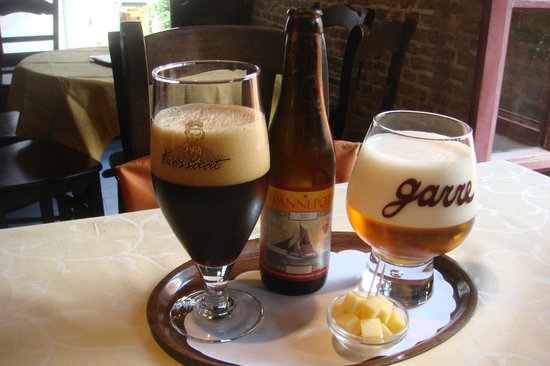
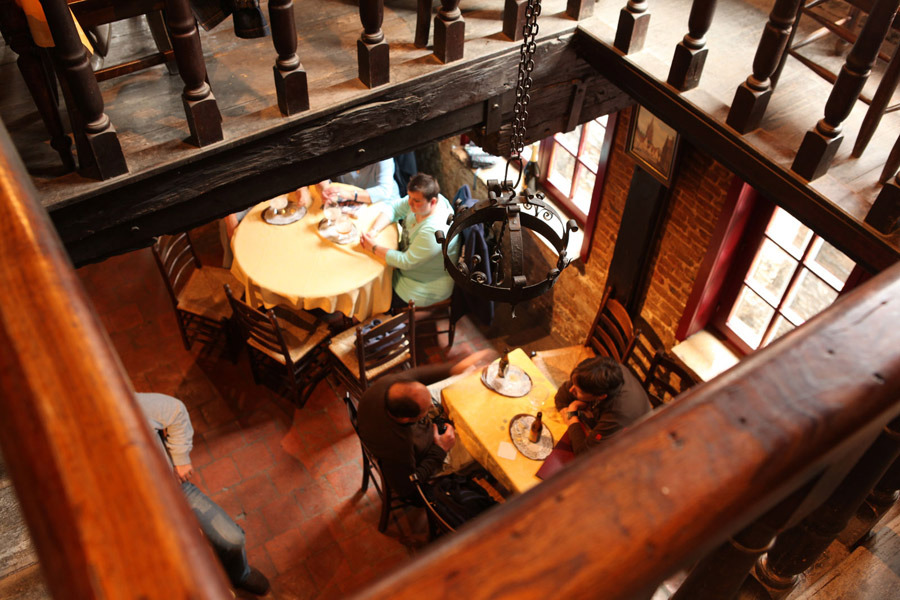
Staminee de Garre

Good luck trying to find this place.  But if you are lucky enough to make your way down Bruges’ shortest street, you will enter this tiny den of Flemish quaintness.  Tables all full on the main floor?  Just squeeze up the little staircase and sit at one of the barrels (!?) near the upstairs bar – you get a great view over the downstairs mayhem, and the bartender is close at hand.  With a fine beer and food menu, and some excellent, ever-changing cask ales (not common in Belgium)  some Bruges residents consider this place their own little secret, but don’t worry about that – the bar staff is happy to serve whoever finds their way down their hidden little street.


honeymoonbeers-057staminee-de-garre 20

Slogan:  “Ode to the Tripel van der Garre” – a poem praising the house beer, at the start of every menu, which I won’t even try to translate from Flemish to English.  Enough said that a beer is good enough to inspire poetry…

Recommendation: The beer to drink here is Tripel de Garre brewed by Brouwerij Van Steenberge and only available here.  Always served with a few cubes of young gouda cheese – it is a delightfully tasty and deceivingly strong (11.5%) tripel style beer.

Details:  AddressDe Garre 1 8000 Brugge  Contactinfo@degarre.be Hours:  Noon to midnight daily (longer on weekends).


OneLife Tours offers the industry’s best in organized small-group tours of Europe, as well as amazing custom tour itineraries.  Two of our signature tours, the Grand Tour of Europe and the Ultimate Beer Tour, spend quality time in Bruges – join us at some of the above-mentioned cafés!

[author] [author_image timthumb=’on’]https://pbs.twimg.com/profile_images/506116251454697472/4blfsXiS.jpeg[/author_image] [author_info]This blog happily shared with you by Craig Bresett (while drinking Belgian beer, let it be known) – owner and chief tour director at OneLife Tours.  Contact Craig anytime:  craig@onelifetours.ca[/author_info] [/author]
Top 5 Florence Places to Eat Amazing Food, Feel Like A Local—All for 5Euros or Less!

Florence is on everyone’s must-visit list in Italy and is full of fabulous art, shopping, and yes—food. 

Over at Walkingfarfromhome.com they’ve researched five tasty and inexpensive bites to try while in Florence—perfect for a quick break from one of Florence’s many world-class museums and sites—or as a chance to savor a bit of the local way of life. 

Here’s my 5 Favorite places in Florence, all of which hit the sweet, delicious intersection of price, taste, and local ambience.


1. Gelateria Santa Trinita. There will always be a fierce debate regarding Florence’s best gelato,  but in my mind there’s a clear winner. What’s more, this place is reasonably priced despite its prime location. Go and agonize over the best flavor combo (you’ll be back), then walk over and grab a seat on the bridge. Settle in and watch the sunset over the river while the street performers do their thing.

Piazza dè Frescobaldi, 11-12r
50125 Firenze, Italy

2. Gusta Pizza. I ate this pizza five times in six days. It’s quick, tasty, and cheap, (5 Euros for a whole pizza of mozzarella, tomato sauce, and fresh basil). Take it and go and sit on the church steps in Piazza Santo Spirito along with the other cool kids who make this place their hangout most every night when the air is warm. Don’t miss it—the pizza or the chance to soak up one of Florence’s quintessential public spaces.

Via Maggio, 46r
50125 Firenze, Italy 

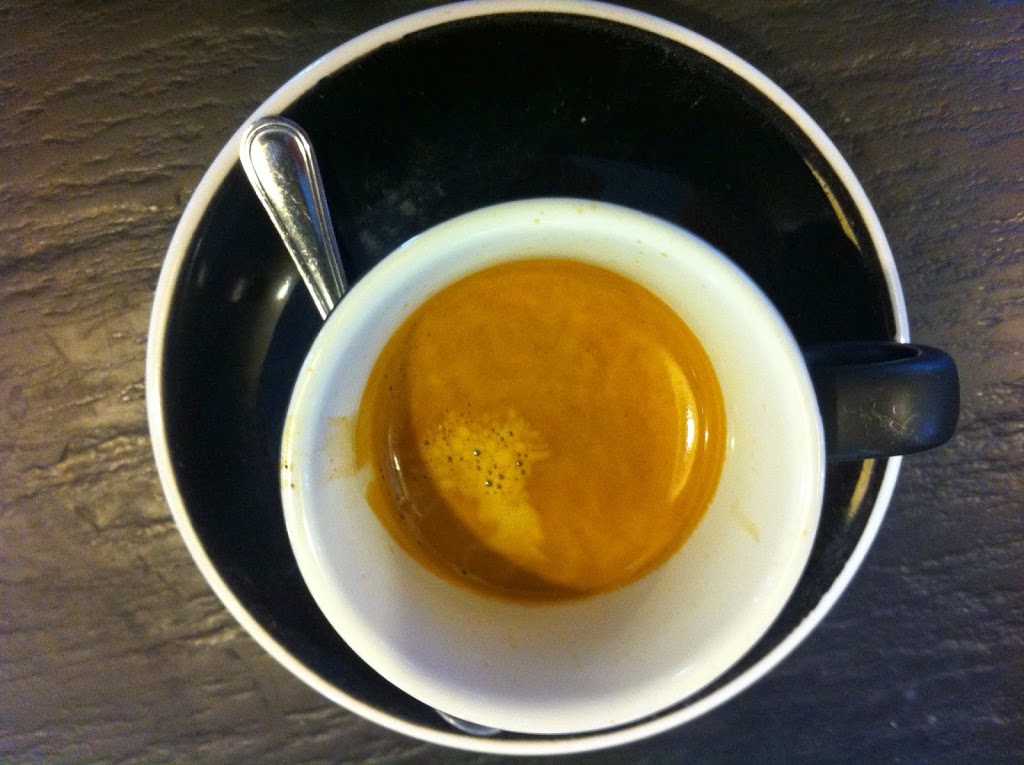
3. Caffé Scudieri. Perhaps the best espresso drinks I found in Florence. The location too is unbeatable (facing the Duomo). Despite its elegant old-school vibe it’s not expensive if you stand at the bar (instead of sitting). Also be sure to try some of their amazing little pastries and candies. The trick to ordering here is to first pay for your coffee at the litte corner register and then take your receipt to the barista.

Piazza di San Giovanni, 19 
50129 Firenze, Italy

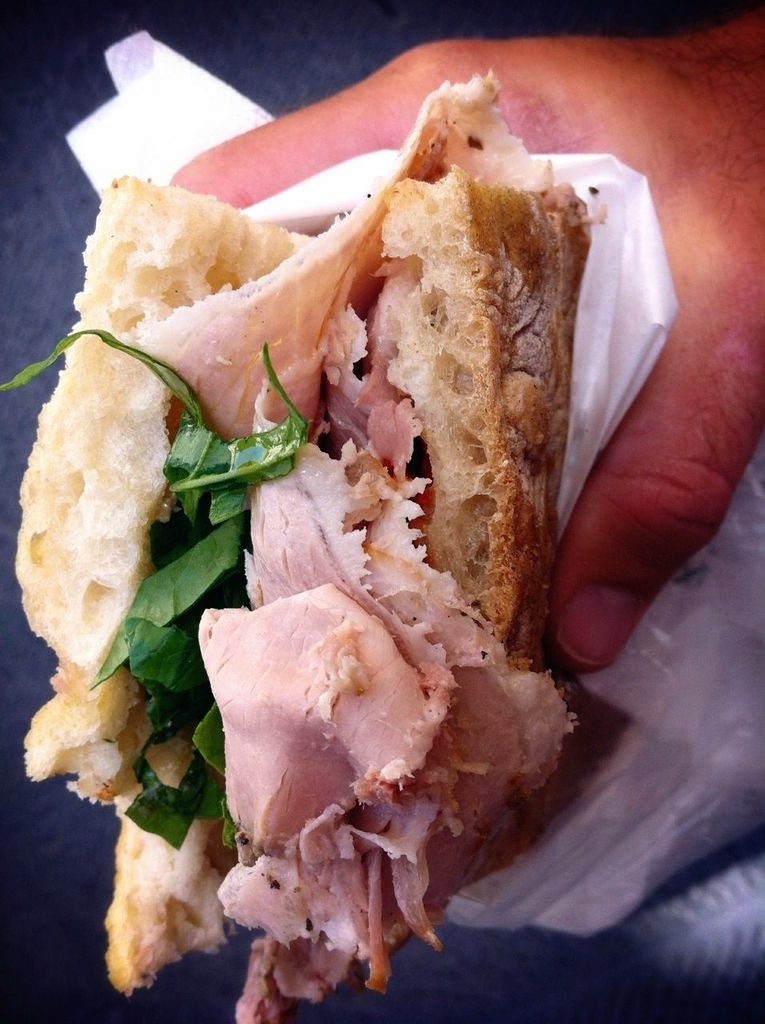
4. All’Antico Vinaio. Their porchetta sandwhich was truly one of the best sandwiches of my life. Period. All sandwiches are on foccacia. It’s also cheap (5 Euro!) and just one or two minutes from the Uffizi area! I beg you, don’t come to Florence and miss this sandwich.

 Via dei Neri, 74
 Firenze, Italy


5. Biblioteca delle Oblate. A bit of a hidden gem: go into the courtyard, through the library, and up to the roof where there’s a decidedly student and non-touristy vibe with a rooftop view of the Duomo. Coffee is respectable—nothing extraordinary—but worth it for the view and the feeling that you just might pass as a local.

Via dell’Oriuolo, 26, 50122 
Firenze, Italy

Where to After Florence? 3 Tuscan Hill Towns to Explore.


Our Grand Tour ends in Florence, the gateway to Tuscany with its picturesque hill towns surrounded by endless wineries and sun-drenched countryside. The Tuscan hill country is a worthy option for those looking to extend their stays and do some further exploring. The following post from bloggers Beth & Randy is guaranteed to leave you hungry (perhaps quite literally) to explore more of this iconic region of Italy. 
Siena and San Gimignano are the most well known hill towns in Tuscany, but they certainly are not the only ones. In fact, central Italy is famous for its hill towns. Their crumbling stone walls seem to cling to every rocky peak, watching over the manicured valleys and vineyards as the rush of the 21st century passes by below. During our stay with Stefano, we visited three hill towns, including Chianciano Terme, in the Siena Province. Each offered a taste of what eludes so many visitors to Italy: tranquility and tradition.

CHIANCIANO VECCHIA

i zC6J65f L 3 Tuscan Hill Towns to Add to Your Bucket List

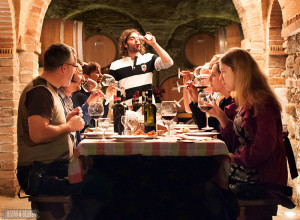
Wine tasting in the cellar of Agricola Fontanelle.
Separated by a valley, Chianciano Vecchia is only a 10 minute walk following Via Madonna della Rossa from Agriturismo La Pietriccia. We spent most of our time in Chianciano Vecchia exploring the wines of Agricola Fontanelle. In the cave-like cellars of the small batch winery, we met with winemaker Riccardo Rosati who, along with his two brothers, produces world-class wines from experience they’ve inherited from generations of family winemaking. We spent a few hours with Riccardo and his family, sampling their wines and incredible selection of cured meats and olive oil. The family’s warmth made us feel like locals, just visiting with some friends on a weekday night.

MONTALCINO

Montalcino Italy Copyright Bethany Salvon BeersandBeans 2013 e1384450990309 3 Tuscan Hill Towns to Add to Your Bucket List
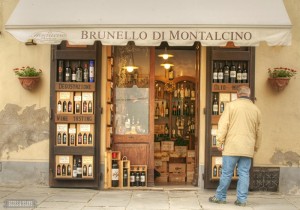
If Virginia is for lovers then Montalcino is for wine lovers. This medieval hill town is famous for its Brunello di Montalcino red wines, featuring an array of enoteche (wine bars)Heck, even the 14th century fortezza contain
s one. Just outside of Montalcino sits the Abbey of Sant’Antimo. Located in a valley of olive trees, the abbey is considered to be one of the top architectural remains of the Romanesque Period. Several times a day the church’s community of monks fill the 12th century stone hall with the harmonious sounds of traditional Gregorian chants. We got to hear the chants in person and it was mesmerizing. The performances are free and open to the public.

PIENZA

Pienza Italy Copyright Bethany Salvon 2013 Beersandbeans e1384451187963 3 Tuscan Hill Towns to Add to Your Bucket List

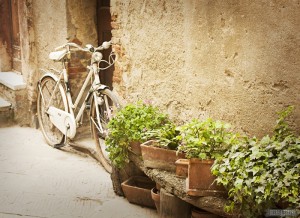
A beautiful, typical scene in this perfect Italian town.
Named after pope Pius II, Pienza is full of renaissance architecture, moving with the feel of a modern day medieval village. As I looked out over the gentle, carefully cultivated hills of Val d’Orcia, a UNESCO World Heritage Site, it was easy to see the inspiration behind pope Pius II decision to remodel his hometown in the style of his day: Renaissance. Besides the hill towns’ grand views and classic architecture, Pienza is also known for its sheep’s milk cheese, pecorino. Plus, with streets names like Via Dell’Amore (Love), Via Del Bacio (Kiss) and Via Della Fortuna (Fortune), it is difficult not to fall head over heels for this charming hilltop town. 

5 Traditional European Christmas Dishes You've Never Tried

1.  Vánoční Rybí Polévka (Czech Christmas Fish Soup) – Czech Republic
Harking back to a simpler time when meat was a luxury to most Europeans, the tradition of eating carp (a freshwater fish) for a treat at Christmas has remained strong in the Czech republic.  None of the fish was wasted – most recipes for this soup call for the head and viscera to be boiled to make the stock.  Even today the mayor of Prague doles out this soup to the needy on the Old Town Square on Christmas Eve.

First the stock is prepared for vánoční rybí polévka

2. Les Treize Desserts (The Thirteen Desserts) – France
Here’s one for the kids (and those of us adults with a sweet tooth).  In the Provence region of France,  Christmas Eve is epic meal time, or Le Gros Souper.  The table is set with three candles (representing the trinity) and a large dinner of fish, vegetables, bread and cheese is shared.  The thirteen desserts (representing the number of diners at the Last Supper) are then laid out to finish the feast.  The desserts consist of various fresh and dried fruits, nuts, nougats, cakes, and sweet wine.  After all that, everyone heads to the local church to try to stay awake through Midnight Mass!

Les Treize Desserts


3. Pandoro (The Golden Bread) – Italy
This Italian sweet bread, traditionally from Verona, is a favourite at Christmas.  By its appearance you would think it is a cake, but it is in fact a leavened yeast bread, sweetened with sugar or honey, and dusted with icing sugar (some say to resemble the Dolomite peaks just north of Verona).  Pandoro is typically served with a side of whipped cream, or even better, vanilla gelato, and a strong Italian espresso.  Yum.

Pandoro gets its golden colour from the egg yolks used in the simple recipe


4. Lutefisk (Lye Fish) – Norway
It is hard for a non-Scandinavian to understand the appeal of this dish… however it remains very popular at Christmas throughout the Nordic countries, especially Norway.  Dried cod is soaked in a solution of water and lye for a number of days, which changes the texture of the fish, making it more like a fish “jello” (jellyfish?).  At this point, the fish is inedible because of the lye, so it has to be rinsed in clean water for several days to remove most of the lye.  Then it is ready to be baked or parboiled, and served in all of its odoriferous, gelatinous glory.


Lutefisk: Just tell the kids it’s jello


5.  Cougnou  (Baby Jesus Bread) – Belgium
This sweetened yeast bread, dotted with coarse granules of sugar, is made in the shape of “the babe wrapped in swaddling clothes” (Luke 2:12).  A children’s favourite at Christmas, it is usually served with another Belgian specialty – real hot chocolate.

This looks so good, I’m going to try to make it myself.

Europe – home to so many different culinary traditions.  Isn’t it time you made the trek?  Join one of our specialized tours of Europe and enjoy regional cuisine at its finest.  Go to OneLife Tours for details.